Key Findings
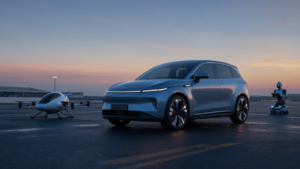
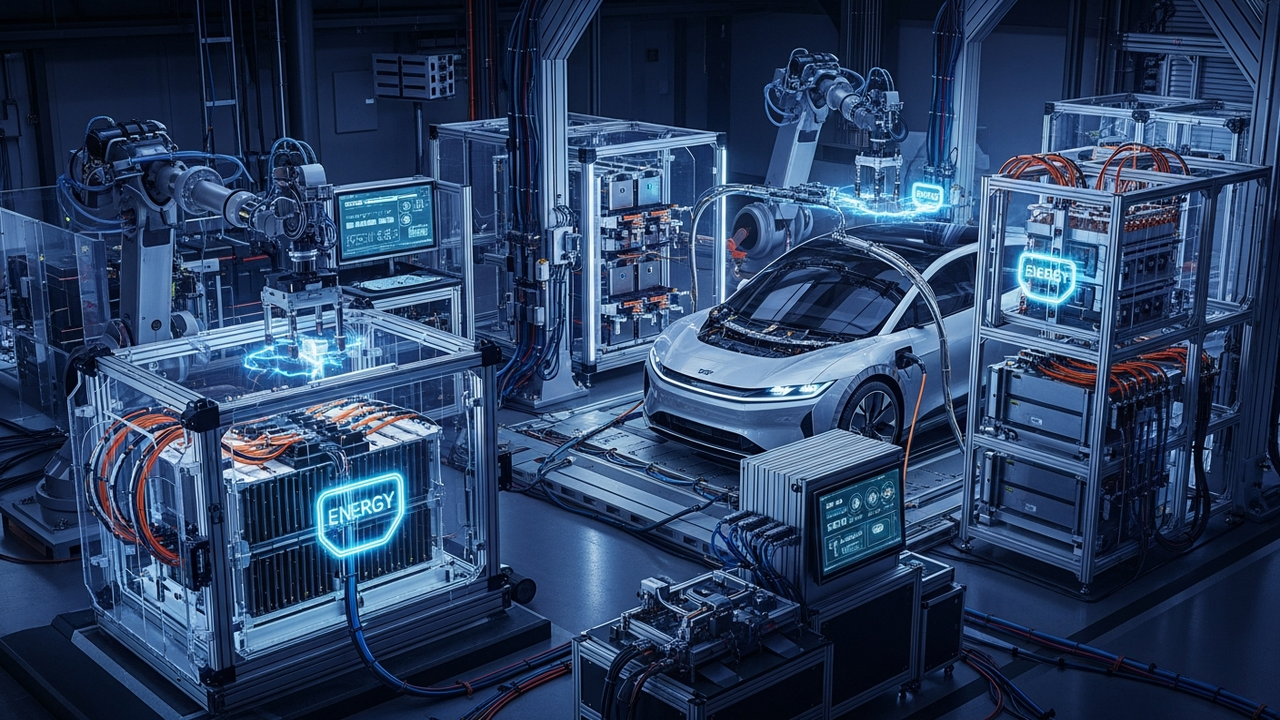
Factorial Energy has announced the commencement of North American testing for its FEST (Factorial Electrolyte System Technology) all-solid-state battery cells, through a strategic partnership with automotive giant Stellantis. This advanced technology has been integrated into Stellantis’ next-generation EV platform, STLA Large, and is actively powering the Dodge Charger Daytona prototype. Notably, Factorial’s 77Ah FEST cells have achieved an impressive energy density of 375 Wh/kg maintained over 600 cycles. Beyond this, they demonstrate stable operation across an extreme temperature range from -30°C to 45°C and achieve ultra-fast charging from 15% to 90% in a mere 18 minutes, establishing a critical milestone for the practical implementation of all-solid-state batteries in electric vehicles.
Technical / Clinical Details
Factorial’s FEST technology aims to overcome the safety, energy density, and charging speed limitations of existing liquid-electrolyte lithium-ion batteries by employing a solid electrolyte alongside proprietary electrode materials. The tested 77Ah FEST cells have unequivocally demonstrated their superior performance. The 375 Wh/kg energy density suggests a significant potential for extending EV driving ranges. Achieving high capacity retention over 600 cycles indicates robust long-term reliability and durability. Most impressively, the ability to maintain stable performance across a wide temperature spectrum, from frigid -30°C to scorching 45°C, is paramount for enabling EV operation in diverse geographical regions. Furthermore, the ultra-fast charging capability—allowing a 15% to 90% charge in just 18 minutes—elevates EV convenience to a level comparable with gasoline vehicles, dramatically reducing waiting times at charging stations. These metrics clearly demonstrate that all-solid-state battery technology is progressing beyond laboratory-scale achievements to reach a deployable level in real-world vehicles.
Background & Context
While the electric vehicle (EV) market is experiencing rapid growth, key consumer concerns remain range anxiety, lengthy charging times, and battery safety. All-solid-state batteries are anticipated as the ‘holy grail’ solution to these challenges, spurring intense global competition among automakers and battery developers. The partnership between Factorial Energy and Stellantis represents a powerful strategic move, combining an emerging battery technology firm with a traditional automotive manufacturer to accelerate development from research to real-vehicle integration and, ultimately, mass production. The integration of FEST cells into the Dodge Charger Daytona prototype signifies that all-solid-state battery technology is indeed beginning to shape the future of the automotive industry.
Strategic Significance & Outlook
The success of Factorial Energy’s FEST cells strongly reinforces the potential for all-solid-state batteries to profoundly transform the electric vehicle market. The immediate focus will now shift to optimizing manufacturing processes and reducing costs for large-scale production of this technology. The collaboration with Stellantis is crucial for Factorial to rapidly bring its technology to market and establish itself as a key player in the global EV supply chain. This development is expected to significantly impact other automakers and battery companies, acting as a catalyst to further accelerate the development and adoption of all-solid-state batteries. Ultimately, consumers can look forward to enjoying safer, longer-range, and faster-charging electric vehicles.
Source: https://electrek.co/2026/07/29/solid-state-ev-battery-leaders-team-up/
Get our weekly technology intelligence — free
Receive an infographic that lets you judge at a glance whether each field’s analysis report is worth reading.
Subscribe Free — Weekly Tech Intelligence
By subscribing, you’ll receive Troy-Technical’s weekly technology intelligence newsletter.
- Your email and selected fields are used only to deliver the newsletter.
- We never share your information with third parties.
- You can unsubscribe anytime via the link in each email.
See our Privacy Policy for details.
Takes about a minute · Unsubscribe anytime