Key Findings
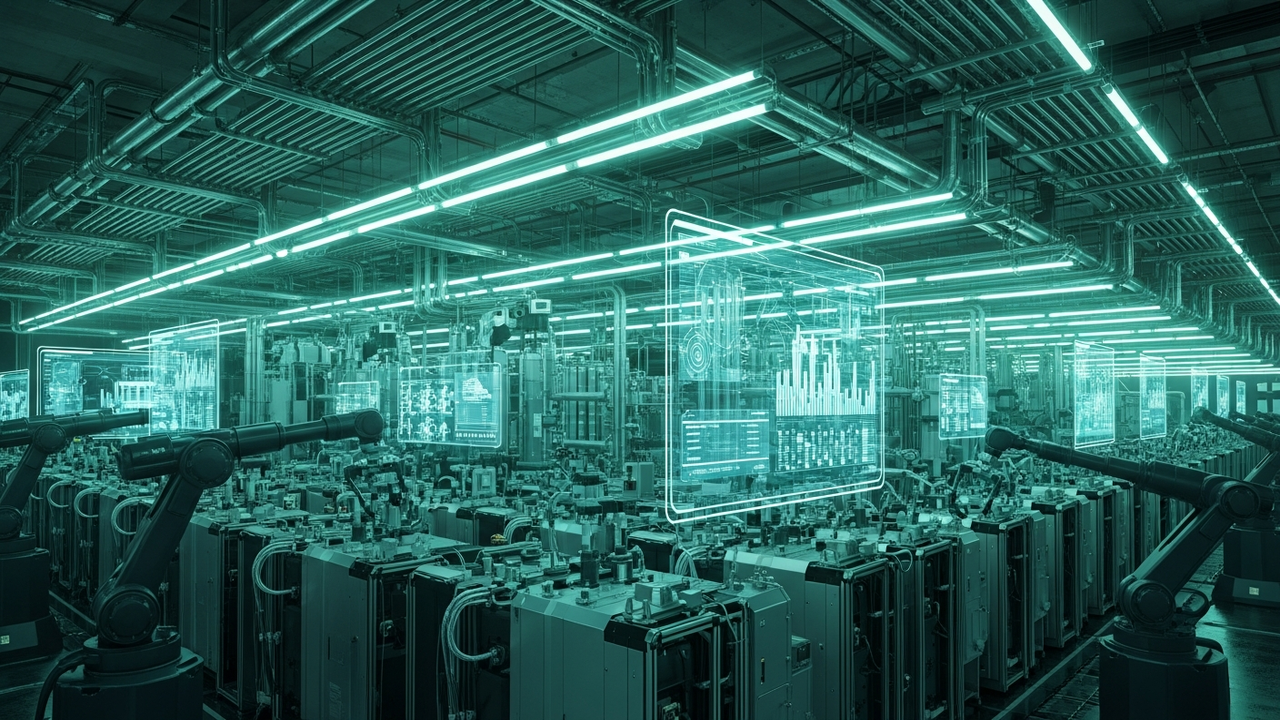
Green hydrogen production is undergoing a significant transition from experimental pilot projects to full industrial scale, with electrolyzer manufacturers dramatically increasing their production capacities. This expansion is being complemented by the integration of advanced technologies such as AI-based process control and digital twin monitoring, which are substantially enhancing the efficiency and reliability of green hydrogen manufacturing.
Technical & Industrial Details
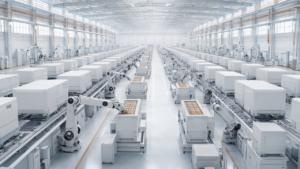
Electrolyzer manufacturers are establishing gigafactory-scale production facilities, driving module standardization and automation to meet escalating demand. Notable advancements are seen across both alkaline and Proton Exchange Membrane (PEM) electrolyzer technologies. Alkaline electrolyzers, with their robustness and mature design, are favored for large-scale, steady-state operations, while PEM electrolyzers, known for high efficiency and rapid response, are ideal for integration with variable renewable energy sources. AI-driven process control systems are optimizing electrolyzer uptime and feed water purity in real-time, contributing to reduced operational costs and improved production yields. Furthermore, digital twin technology enables comprehensive plant monitoring and predictive maintenance, minimizing unforeseen downtime and maximizing operational continuity.
Background & Context
The global push for decarbonization, coupled with the rapid expansion of renewable energy generation, is serving as a powerful catalyst for the green hydrogen market. Governments worldwide are formulating national hydrogen strategies, offering financial incentives, and providing support for large-scale projects to stimulate industrial investment. Project developers are actively pursuing long-term offtake agreements with industrial sectors such—as steel, chemicals, and transportation—to ensure stable demand for the produced green hydrogen. Nevertheless, the industry faces significant headwinds, including high upfront capital investments, financing challenges, complex permitting processes, and a shortage of skilled labor, all of which tend to slow the pace of project construction.
Strategic Significance & Outlook
The continuous expansion of electrolyzer manufacturing capacity and the optimization of production through AI and digital technologies are set to further enhance green hydrogen’s cost competitiveness and accelerate its industrial-scale adoption. These technological advancements are expected to incentivize more industries to incorporate green hydrogen, paving the way for broader decarbonization. Moving forward, diversified financing models, streamlined permitting procedures, and targeted investments in workforce development will be crucial for the green hydrogen industry to fully realize its potential. Overcoming these challenges will allow green hydrogen to establish itself as an indispensable component of the global energy mix and a key enabler of a sustainable future.
Source: https://synfuels.ai/green-hydrogen-production-capacity-electrolysis-scale-up-adv/
Get our weekly technology intelligence — free
Receive an infographic that lets you judge at a glance whether each field’s analysis report is worth reading.
Subscribe Free — Weekly Tech Intelligence
By subscribing, you’ll receive Troy-Technical’s weekly technology intelligence newsletter.
- Your email and selected fields are used only to deliver the newsletter.
- We never share your information with third parties.
- You can unsubscribe anytime via the link in each email.
See our Privacy Policy for details.
Takes about a minute · Unsubscribe anytime