Background
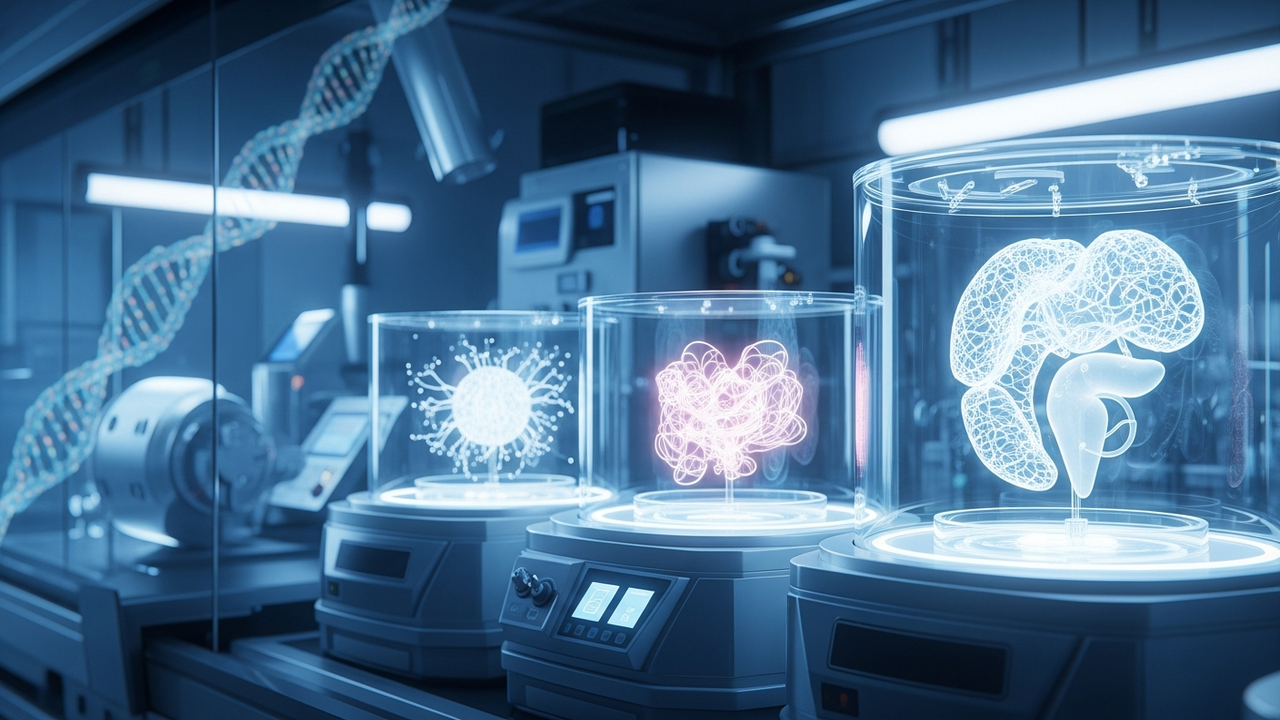
Organ transplantation is a life-saving treatment for patients with end-stage organ failure but faces critical challenges such as severe organ donor shortages, lifelong immunosuppression, and high healthcare costs. Advancements in iPSC and bioprinting/organoid technologies offer potential fundamental solutions to these issues. The creation of cell-based functional tissues represents one of the ultimate goals in regenerative medicine, aiming to reduce reliance on organ donors and enable personalized treatments.
Key Findings
An article from Liv Hospital highlights that iPSC (induced pluripotent stem cell) lines are a driving force behind innovations in 3D bioprinting and organoid development. These technologies enable the creation of functional tissues and organs, holding the potential to significantly reduce the future need for organ transplantation.
Technical and Clinical Details
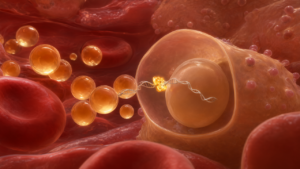
- iPSCs offer the significant advantage of being derived from a patient’s own somatic cells, thereby minimizing the risk of immune rejection during transplantation. This characteristic is fundamental to personalized medicine.
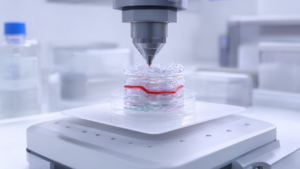
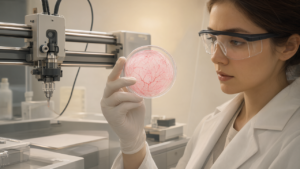
- The combination of 3D bioprinting technology with iPSCs allows for the precise placement of cells, biomaterials, and growth factors to construct complex tissue architectures, including vascular networks and neural connections. This enables the fabrication of structures closely mimicking functional native tissues.
- In organoid development, iPSCs are cultured under specific conditions to self-organize into miniature organ-like structures (e.g., brain organoids, liver organoids). These organoids serve as advanced disease models and platforms for drug screening and toxicity testing, more accurately recapitulating human physiological responses.
- Collaborations with companies such as CELLINK are accelerating the practical implementation of these technologies. For instance, the development of biocompatible inks and bioprinters is an essential component for designing and manufacturing complex biological tissues.
Strategic Significance and Outlook
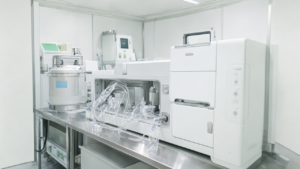
While iPSC-based 3D bioprinting and organoid technologies are still in their early stages, their development is progressing rapidly. In the future, these technologies are expected to become indispensable tools for creating fully functional organs, elucidating disease mechanisms, and developing new therapies. The establishment of regulatory guidelines and scaled manufacturing techniques will be the next crucial steps for bringing these innovative therapies to clinical practice. Ultimately, they hold the potential to dramatically improve the quality of life for patients worldwide.
Source: https://livhospital.com/en/blog/what-are-ips-cell-lines-types-uses-research
Get our weekly technology intelligence — free
Receive an infographic that lets you judge at a glance whether each field’s analysis report is worth reading.
Subscribe Free — Weekly Tech Intelligence
By subscribing, you’ll receive Troy-Technical’s weekly technology intelligence newsletter.
- Your email and selected fields are used only to deliver the newsletter.
- We never share your information with third parties.
- You can unsubscribe anytime via the link in each email.
See our Privacy Policy for details.
Takes about a minute · Unsubscribe anytime