Key Findings
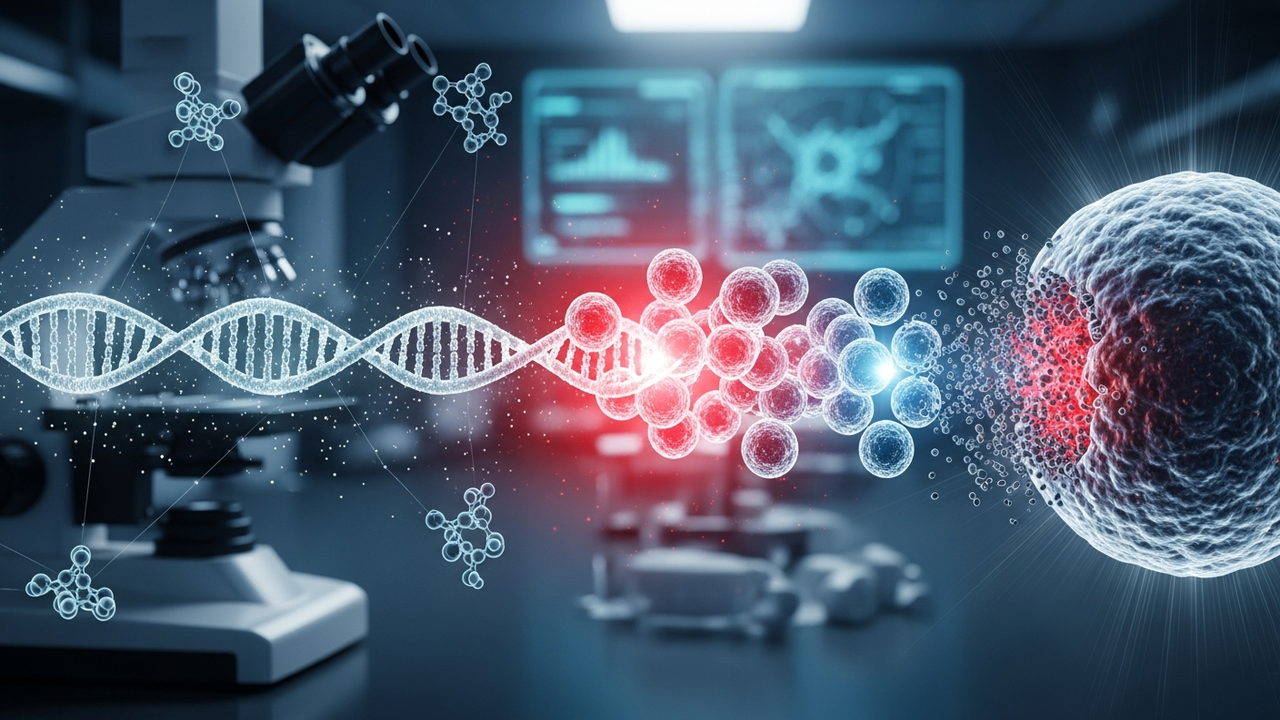
Researchers at the University of Pennsylvania’s Penn Engineering have developed an innovative ‘one-two punch’ strategy to revolutionize oral cancer treatment. This approach involves a lipid nanoparticle (LNP) formulation designed to co-deliver two distinct therapeutic agents: p53 and ciclopirox. The multi-functional LNP platform is engineered not only to directly kill cancer cells but also to reprogram the host immune system to more effectively recognize and attack the malignancy. Remarkably, in aggressive, p53-therapy-resistant cancer models, this novel LNP platform achieved a significant reduction in tumor burden and substantially extended the survival of experimental animals.
Technical / Clinical Details
At the core of this innovative therapeutic strategy are nanoscale LNPs, known for their excellent capabilities as carriers for efficient intracellular delivery of nucleic acids and small molecules. In this research, LNPs function as a multi-drug delivery system, encapsulating both p53 genetic material (a tumor suppressor gene) and ciclopirox (an antifungal agent with known anti-cancer properties). The delivery of p53 aims to induce apoptosis and inhibit proliferation in cancer cells. Meanwhile, ciclopirox inhibits cancer cell metabolism, possibly via iron chelation, and is also expected to modulate immune responses.
The co-delivery via LNPs is designed to achieve synergistic effects unattainable with single-agent therapies. Aggressive cancer cells, especially those resistant to p53 therapy, often possess multiple mechanisms to evade treatment. This ‘one-two punch’ approach simultaneously attacks these resistance mechanisms by deploying agents with different modes of action. This strategy successfully reduced tumor burden and extended survival in highly aggressive oral cancer models, a challenge with conventional therapies. LNPs, with their biocompatibility and precise delivery capabilities, are expected to concentrate drugs at the tumor site, minimizing systemic side effects.
Background & Context
Oral cancer is a challenging disease with high recurrence rates and a poor prognosis, particularly in advanced stages. Existing treatments, including surgery, radiation, chemotherapy, and immunotherapy, face hurdles such as drug resistance and severe treatment-related side effects. While multi-drug combination therapy is a common cancer treatment strategy, its efficacy can be limited by pharmacokinetic differences between drugs and the difficulty of ensuring simultaneous delivery of multiple agents to cancer cells. LNP-mediated co-delivery is gaining attention as a drug delivery system technology that can overcome these challenges, potentially enabling more effective and safer combination therapies.
Strategic Significance & Outlook
This LNP-based ‘one-two punch’ therapy holds the potential to revolutionize oral cancer treatment. Its success in preclinical models paves the way for future human clinical trials. Looking ahead, this LNP platform could be applied to other solid tumors, especially intractable cancers exhibiting drug resistance. Further optimization of LNP design will enhance the specificity and efficiency of drug delivery, enabling more personalized fusion of cancer immunotherapy and chemotherapy. This research represents a significant example of how the convergence of nanomedicine and cancer immunotherapy can transform the future of cancer treatment, globally.
Get our weekly technology intelligence — free
Receive an infographic that lets you judge at a glance whether each field’s analysis report is worth reading.
Subscribe Free — Weekly Tech Intelligence
By subscribing, you’ll receive Troy-Technical’s weekly technology intelligence newsletter.
- Your email and selected fields are used only to deliver the newsletter.
- We never share your information with third parties.
- You can unsubscribe anytime via the link in each email.
See our Privacy Policy for details.
Takes about a minute · Unsubscribe anytime