Background
Cell therapies are recognized as groundbreaking treatments for diseases such as cancer, autoimmune disorders, and neurodegenerative diseases. However, especially for autologous therapies, manufacturing complexity, time, and high costs pose significant challenges. Allogeneic therapy has emerged as a promising solution to these challenges, with research and development accelerating in recent years. Regulatory authorities are also developing frameworks for the evaluation and approval of these new modalities.
Key Findings
A comprehensive industry article on allogeneic (off-the-shelf) cell therapy manufacturing emphasizes that this approach offers significant advantages over autologous (patient-derived) therapies, including broader applicability, superior manufacturing scalability, and reduced time-to-treatment. The integration of automation and digital technologies is highlighted as crucial for driving the future widespread adoption and personalization of these therapies.
Technical and Clinical Details
- Advantages of Allogeneic Therapies:
- Broader Applicability: Since healthy donor cells are used, treatment is possible even when a patient’s own cells are insufficient in quality or quantity.
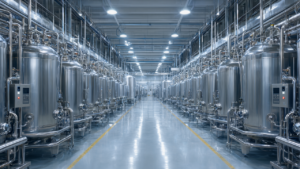
- Superior Scalability: Manufacturing in large batches and providing them “off-the-shelf” to multiple patients allows for reduced manufacturing costs and stabilized supply.
- Reduced Time-to-Treatment: Available for immediate use, patients can start treatment promptly without waiting several weeks for manufacturing, as required by autologous therapies.
- Key Manufacturing Process Stages:
- Donor Selection and Screening: Optimal donors are chosen based on strict criteria (e.g., HLA matching, infectious disease screening).
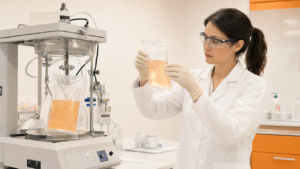
- Cell Sourcing and Characterization: Cells are collected from donors, then cultured, expanded, and, if necessary, genetically modified according to therapeutic goals. Throughout this process, cell quality and safety are thoroughly evaluated.
- Master Cell Bank (MCB) Establishment: Establishing an MCB from characterized donor cells ensures consistency and reproducibility for future manufacturing lots.
- Off-the-Shelf Product Formulation: Manufactured cells are cryopreserved and supplied to healthcare facilities.
- Role of Automation and Digital Technologies:
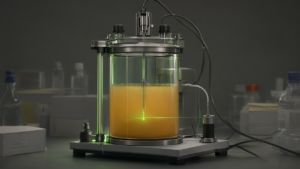
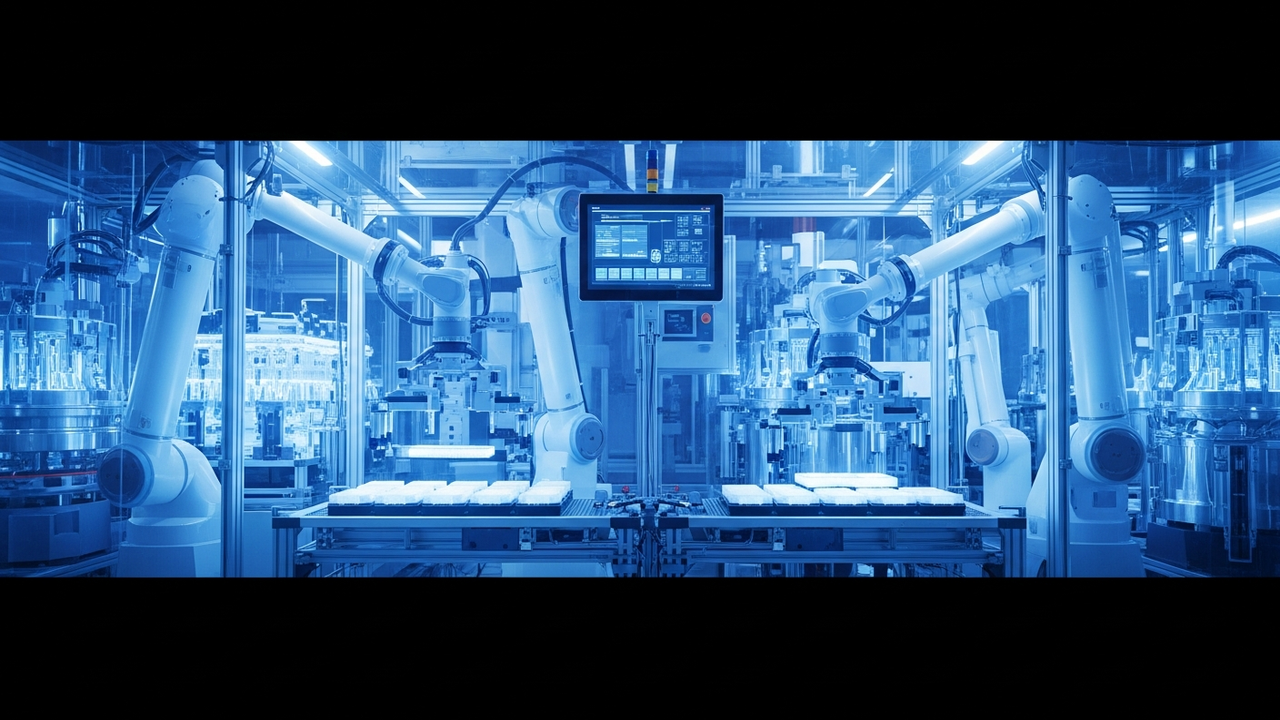
- Process Streamlining: Automated bioreactors, cell separation systems, and culture platforms reduce manual labor and the risk of human error.
- Improved Cost-Effectiveness: Automation and digitalization contribute to overall manufacturing cost reduction by decreasing labor costs and increasing production throughput.
- Enhanced Quality Control: Real-time monitoring, data collection, and analysis are essential for early detection of process deviations and maintaining product quality consistency.
Future Outlook
The future of allogeneic cell therapy will be shaped by further automation of manufacturing processes, AI and machine learning for process optimization, and advanced analytical techniques. In the future, the development of “personalized allogeneic therapies” designed considering patient-specific biomarkers and genetic profiles is also envisioned. This is expected to enable allogeneic cell therapy to provide safe and cost-effective treatment options for a wider range of diseases, driving a paradigm shift in healthcare.
Source: https://fulfillment.braums.com/publication/9jZxi4GHoGvW/AllogeneicCellTherapyManufacturing
Get our weekly technology intelligence — free
Receive an infographic that lets you judge at a glance whether each field’s analysis report is worth reading.
Subscribe Free — Weekly Tech Intelligence
By subscribing, you’ll receive Troy-Technical’s weekly technology intelligence newsletter.
- Your email and selected fields are used only to deliver the newsletter.
- We never share your information with third parties.
- You can unsubscribe anytime via the link in each email.
See our Privacy Policy for details.
Takes about a minute · Unsubscribe anytime