Background
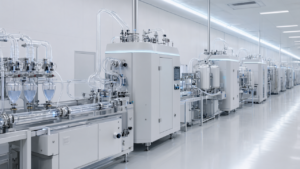
Responding to a global imperative for more resilient and regionalized pharmaceutical supply chains, countries across the Asia-Pacific (APAC) are strategically intensifying their biopharmaceutical manufacturing capabilities. The intricate production demands of innovative therapies, particularly gene and cell therapies, necessitate specialized equipment, deep technical expertise, and stringent quality controls. Consequently, establishing manufacturing hubs capable of meeting escalating global demand has emerged as a critical priority, propelled by concerted government support and private sector investment aimed at fostering a robust regional bio-ecosystem.
Key Findings
The Asia-Pacific (APAC) region is demonstrating a significant pivot in its biopharmaceutical manufacturing strategy, moving beyond conventional Active Pharmaceutical Ingredient (API) production to rapidly expand specialized capabilities in high-value modalities like viral vectors and cell therapies. This strategic shift aims to fortify regional supply chains and bolster global competitiveness in advanced therapeutics.
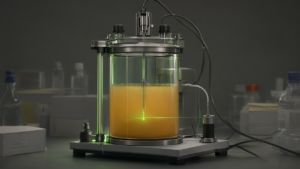
- Australia’s Landmark CDMO: A pivotal development is the inauguration of Australia’s Viral Vector Manufacturing Facility in October 2025. This state-of-the-art site is the nation’s first clinical and commercial-scale viral vector Contract Development and Manufacturing Organization (CDMO), boasting up to 500 liters of bioreactor capacity for Good Manufacturing Practice (GMP) production of both lentiviral and adeno-associated virus (AAV) vectors. This initiative underscores Australia’s commitment to self-reliance in the gene therapy sector, extending its expertise from R&D into full-scale manufacturing.
- Strategic Investments in Singapore and Japan: Concurrently, Singapore and Japan are making substantial strategic investments to enhance their advanced biopharmaceutical manufacturing infrastructure. Singapore continues to solidify its reputation as a leading biomanufacturing hub, cultivating an integrated ecosystem spanning R&D to commercial production. Japan is similarly reinforcing its domestic manufacturing prowess, particularly by leveraging its significant strengths in iPSC-related technologies and cell therapy.
- Specialization in Advanced Modalities: The concentrated investments across these nations are squarely focused on high-value modalities such as cell therapies, gene therapies, and mRNA technologies. These fields demand profound technical expertise and rigorous quality control, allowing the APAC region to carve out a distinct and specialized role within the global biopharmaceutical supply chain.
Looking ahead, this expansion of specialized manufacturing capabilities is expected to significantly improve patient access to groundbreaking gene and cell therapies within and beyond the region. It also positions APAC as an attractive manufacturing base for global development companies, promising future technological innovations and efficiency investments that will drive down costs and elevate product quality. Ultimately, the APAC region is poised to become a central player in global biopharmaceutical manufacturing, particularly accelerating market growth in Asia and fostering greater intra-regional collaboration to further strengthen its manufacturing foundations.
Get our weekly technology intelligence — free
Receive an infographic that lets you judge at a glance whether each field’s analysis report is worth reading.
Subscribe Free — Weekly Tech Intelligence
By subscribing, you’ll receive Troy-Technical’s weekly technology intelligence newsletter.
- Your email and selected fields are used only to deliver the newsletter.
- We never share your information with third parties.
- You can unsubscribe anytime via the link in each email.
See our Privacy Policy for details.
Takes about a minute · Unsubscribe anytime