Background
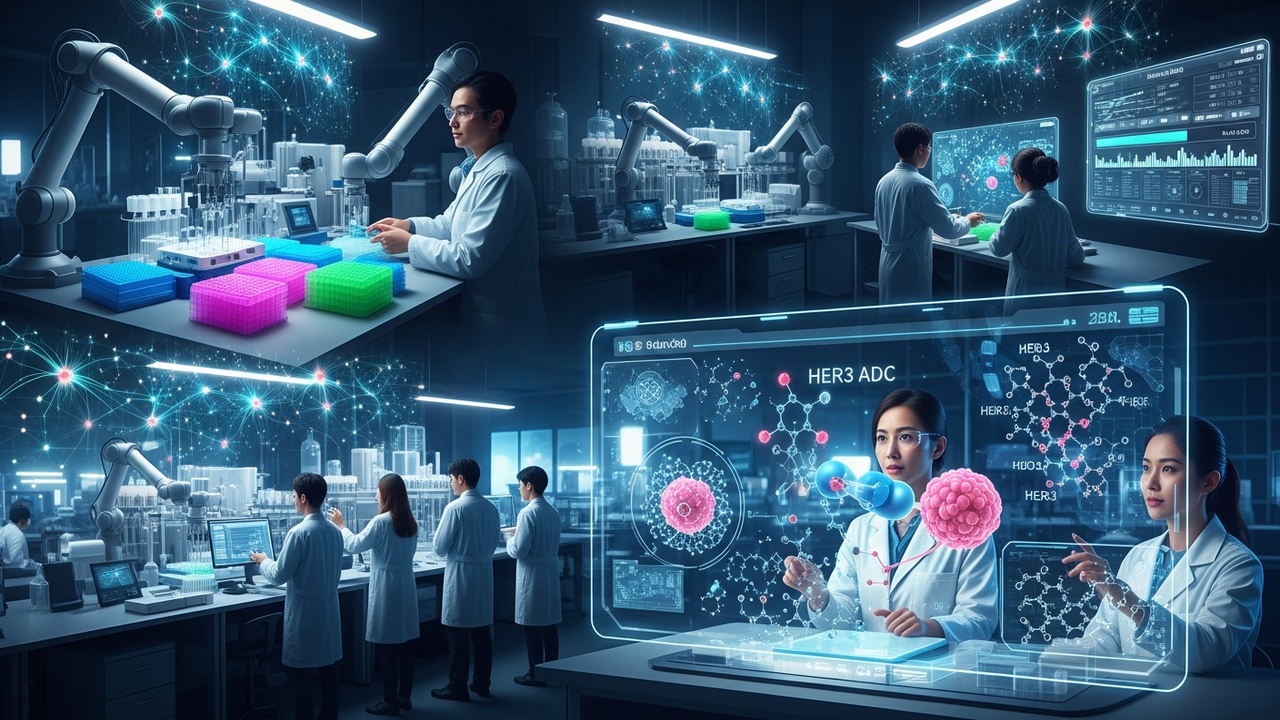
The application of artificial intelligence (AI) in drug discovery is revolutionizing the pharmaceutical industry by significantly reducing lead times and costs while enhancing the probability of success. The Asia-Pacific (APAC) region, leveraging its vast data resources, advanced research infrastructure, and robust governmental support, is rapidly emerging as a pivotal player in this transformative field. Countries such as China, Singapore, and South Korea are making substantial investments to foster biotech companies that harness AI, positioning them as critical global competitors. Compared to traditional drug discovery methods, AI dramatically boosts efficiency across all stages, from early target identification and lead optimization to preclinical study design.
Key Findings
AI drug discovery platforms originating from the Asia-Pacific region are making substantial strides in clinical development. Hummingbird Bioscience initiated patient dosing for its AI-designed HER3-targeted antibody-drug conjugate (ADC) candidate, HMBD-501, in January 2026. Concurrently, Insilico Medicine, a pioneer in AI-driven drug discovery, commenced a Phase III registrational study in July 2026. This marks a critical milestone for an AI-discovered drug, advancing it to the final stage of approval-focused trials.
Technical and Clinical Details
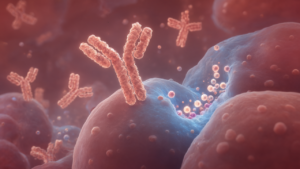
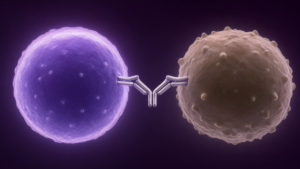
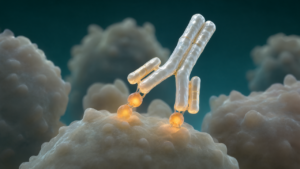
Hummingbird Bioscience’s HMBD-501 is an ADC specifically targeting the HER3 receptor, employing an exatecan payload. HER3 is frequently overexpressed in various cancers and is implicated in tumor growth and drug resistance, making it a promising therapeutic target. AI has been instrumental in optimizing both antibody binding characteristics and payload delivery efficiency for HMBD-501. Insilico Medicine’s advancement into Phase III with its lead asset, INS018_055 for Idiopathic Pulmonary Fibrosis (IPF), is a testament to its AI platform’s capability to discover and develop numerous novel drug candidates. In April 2026, Insilico also secured China’s Center for Drug Evaluation (CDE) review clearance for an inhaled formulation, representing its thirteenth Investigational New Drug (IND) from its pipeline. This demonstrates the platform’s versatility across different modalities and delivery methods. Both companies have further validated their AI platforms through independent commercial partnerships and a robust portfolio of peer-reviewed publications, underscoring the predictive power and efficacy of their AI approaches.
Strategic Significance & Outlook
These clinical advancements by Asia-Pacific AI drug discovery companies demonstrate that AI is no longer a purely academic interest but a practical tool delivering direct patient benefits. Insilico Medicine’s entry into Phase III trials, in particular, significantly paves the way for AI-designed drugs to reach the market. Going forward, AI is expected to evolve further, expanding the frontiers of drug discovery by enabling the identification of novel targets, the design of more complex therapeutics, and the realization of personalized medicine. The accelerated growth of the AI drug discovery ecosystem in this region will further elevate its strategic importance within the global pharmaceutical industry. Increased international collaboration and investment are anticipated to accelerate the development of next-generation AI-driven medicines, providing new and innovative treatment options for patients worldwide.
Get our weekly technology intelligence — free
Receive an infographic that lets you judge at a glance whether each field’s analysis report is worth reading.
Subscribe Free — Weekly Tech Intelligence
By subscribing, you’ll receive Troy-Technical’s weekly technology intelligence newsletter.
- Your email and selected fields are used only to deliver the newsletter.
- We never share your information with third parties.
- You can unsubscribe anytime via the link in each email.
See our Privacy Policy for details.
Takes about a minute · Unsubscribe anytime