Key Findings
According to a recent report by RegMedNet, Aspen Neuroscience’s cell therapy, ANPD001, for Parkinson’s disease, has been granted Regenerative Medicine Advanced Therapy (RMAT) designation by the U.S. Food and Drug Administration (FDA). This significant designation was awarded based on preliminary data from the ongoing Phase I/IIa ASPIRO trial, highlighting the therapy’s potential to address a serious unmet medical need.
Technical / Clinical Details
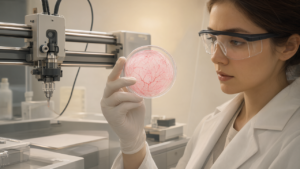
ANPD001 is an autologous cell therapy that involves reprogramming a patient’s own skin cells into induced pluripotent stem cells (iPSCs), which are then differentiated into dopamine-producing neural progenitor cells and transplanted into the brain of Parkinson’s patients. This approach aims to replace the dopamine neurons lost due to the disease, thereby ameliorating symptoms. The RMAT designation is an FDA program designed to accelerate the development and review of regenerative medicine products for serious or life-threatening diseases. It allows companies to engage in early and frequent dialogue with the FDA, optimizing clinical trial designs and streamlining regulatory pathways.
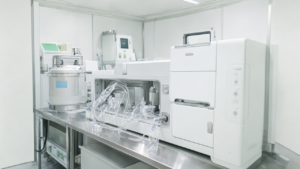
Further advancing the cell therapy landscape, NueCell Bio has been launched as a specialized translational partner. NueCell Bio aims to assist companies in overcoming development challenges throughout the cell therapy pipeline, from discovery to GMP manufacturing. Additionally, IQVIA and Medera announced a strategic collaboration focused on accelerating the development of cardiac gene therapies. This partnership seeks to support the clinical trials and commercialization of innovative gene therapies addressing unmet medical needs in heart conditions.
Background & Context
Parkinson’s disease is a progressive neurodegenerative disorder with limited effective treatments, and cell therapy is considered one of the most promising approaches to replace lost dopaminergic neurons. The RMAT designation serves as a crucial regulatory mechanism to expedite the clinical translation of promising regenerative medicine therapies. Given the inherent complexities in manufacturing and developing cell and gene therapy products, the emergence of specialized translational partners like NueCell Bio is vital for enhancing overall industry efficiency. Furthermore, cardiac gene therapy is an area of growing interest, offering novel options for conditions like ischemic heart disease and heart failure, where conventional treatments have limited efficacy. The IQVIA and Medera partnership aims to accelerate progress in this domain.
Strategic Significance & Outlook
The RMAT designation for Aspen Neuroscience’s ANPD001 represents a significant leap forward for iPSC-derived cell therapies in Parkinson’s disease. This designation will accelerate ANPD001’s clinical development, increasing its potential to reach patients sooner. New partnerships, such as those involving NueCell Bio and IQVIA/Medera, are poised to strengthen the entire cell and gene therapy development ecosystem, resolving technical bottlenecks and fostering innovation across diverse disease areas. These movements clearly indicate that regenerative medicine is maturing beyond the research phase, evolving into tangible therapies that can profoundly impact patients’ lives.
Get our weekly technology intelligence — free
Receive an infographic that lets you judge at a glance whether each field’s analysis report is worth reading.
Subscribe Free — Weekly Tech Intelligence
By subscribing, you’ll receive Troy-Technical’s weekly technology intelligence newsletter.
- Your email and selected fields are used only to deliver the newsletter.
- We never share your information with third parties.
- You can unsubscribe anytime via the link in each email.
See our Privacy Policy for details.
Takes about a minute · Unsubscribe anytime