Key Findings
The clinical success of cell therapies is highly contingent upon the scalability of their manufacturing processes. Autologous cell therapies, specifically, are encountering significant challenges related to inherent manufacturing complexity, rigid scheduling constraints, and intrinsic limitations in scalability, which is rapidly driving the industry’s focus towards allogeneic (off-the-shelf) cell therapy platforms.
Technical / Clinical Details
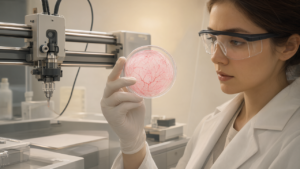
Autologous cell therapies necessitate a process where a patient’s own cells are harvested, genetically modified or expanded ex vivo, and then re-infused into the same patient. While this ‘patient-specific’ manufacturing model allows for highly personalized treatment, the fact that each batch is produced for a single patient results in extremely complex process development, quality control, and logistics. Furthermore, prolonged manufacturing cycles and tight time constraints between cell harvest and re-infusion often hinder the speed of treatment delivery and overall accessibility.
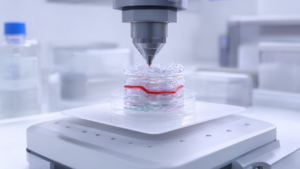
In contrast, allogeneic off-the-shelf cell therapies offer an ‘inventory-based’ model, where cells from a healthy donor are mass-produced and can be administered to multiple patients as needed. This approach is amenable to large-batch production and facilitates rapid deployment across numerous clinical sites. However, the commercialization of off-the-shelf products introduces new challenges. Specifically, a substantial upfront investment in robust process development, comprehensive quality systems, and advanced manufacturing control systems is essential for reliably supplying cell products with consistent quality and efficacy—such as iPSC-derived or MSC-derived cells. This includes the adoption of automated, closed-system manufacturing platforms and the optimization of large-scale bioreactor technologies.
Background & Context
The cell therapy sector is offering groundbreaking treatment options for many previously intractable diseases, including cancer, genetic disorders, and neurodegenerative conditions. However, the high cost of treatment and manufacturing complexities have been major barriers to the widespread adoption of these therapies. Autologous CAR-T cell therapies, despite their remarkable success, continue to face issues of high cost and manufacturing capacity limitations. Consequently, allogeneic cell therapies are positioned at the forefront of research and development as a more affordable and broadly accessible alternative. The entire industry is seeking scalable and cost-effective manufacturing solutions to enhance the commercial viability of cell therapies.
Strategic Significance & Outlook
Prioritizing cell therapy scalability from the early stages and continuing investment in allogeneic off-the-shelf platforms are paramount for the future of this field. This strategy promises to reduce manufacturing costs, accelerate treatment delivery, and expand patient access. With further innovations in bioreactor technology, process automation, and quality control systems, off-the-shelf cell therapies have the potential to become the dominant therapeutic modality, possibly replacing autologous approaches. This trend will accelerate the market entry of cell therapy products and ultimately make significant contributions to addressing unmet medical needs. The industry must continue to tackle these challenges and develop next-generation cell therapy solutions.
Get our weekly technology intelligence — free
Receive an infographic that lets you judge at a glance whether each field’s analysis report is worth reading.
Subscribe Free — Weekly Tech Intelligence
By subscribing, you’ll receive Troy-Technical’s weekly technology intelligence newsletter.
- Your email and selected fields are used only to deliver the newsletter.
- We never share your information with third parties.
- You can unsubscribe anytime via the link in each email.
See our Privacy Policy for details.
Takes about a minute · Unsubscribe anytime