Key Findings
Continuous Glucose Monitoring (CGM) has profoundly revolutionized the treatment of Type 1 diabetes and is now expected to bring similar transformations to Type 2 diabetes management. Dr. John Anderson of Frist Clinic emphasized that CGM, by providing detailed real-time insights into blood glucose fluctuations, is an indispensable tool for individuals to understand how lifestyle factors such as diet, exercise, sleep, and stress impact their glucose levels, thereby enabling them to optimize their health strategies. Furthermore, it is highlighted that CGM holds significant potential for healthy individuals to contribute to early detection of glucose variations, optimization of diet, enhancement of athletic performance, stress management, and overall improvement of well-being.
Technical and Clinical Details
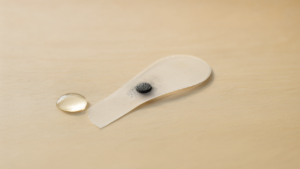
CGM devices typically consist of a small sensor worn on the skin, which measures interstitial fluid glucose concentrations every few minutes and wirelessly transmits this data to a receiver or smartphone app. This allows users to visually track glucose trends, patterns, and rapid changes in real time. For Type 1 diabetes patients, it directly aids in adjusting insulin dosages, avoiding hypoglycemia, and improving HbA1c. For Type 2 diabetes patients, it facilitates more accurate evaluation of dietary choices, exercise type and intensity, and medication efficacy, promoting lifestyle improvements. For healthy individuals, the value of CGM lies in understanding how specific foods affect their individual glycemic response (i.e., avoiding ‘glucose spikes’) and finding optimal meal timing and composition. For example, if CGM shows a sharp glucose increase after consuming a particular food, individuals can avoid that food or modify consumption methods to stabilize blood glucose. Insights into how exercise lowers glucose and stress elevates it also become available, enabling more personalized health management.
Background and Industry Context
The global diabetic population continues to rise, necessitating effective and patient-centric management methods. Advancements in CGM technology have become an essential tool for dramatically improving the quality of life for diabetic patients and reducing the risk of complications. Concurrently, among health-conscious general consumers, there is an accelerating trend towards detailed self-monitoring of health data, fueled by concepts like ‘precision nutrition’ and ‘biohacking.’ CGM is one of the central devices in this trend. However, the scientific efficacy of CGM for healthy individuals is still debated, and risks of over-expectation and misinterpretation have been noted. Regulatory bodies are proceeding with OTC (over-the-counter) CGM approvals, while recognizing the need for clear guidelines on intended use and target populations.
Strategic Significance and Outlook
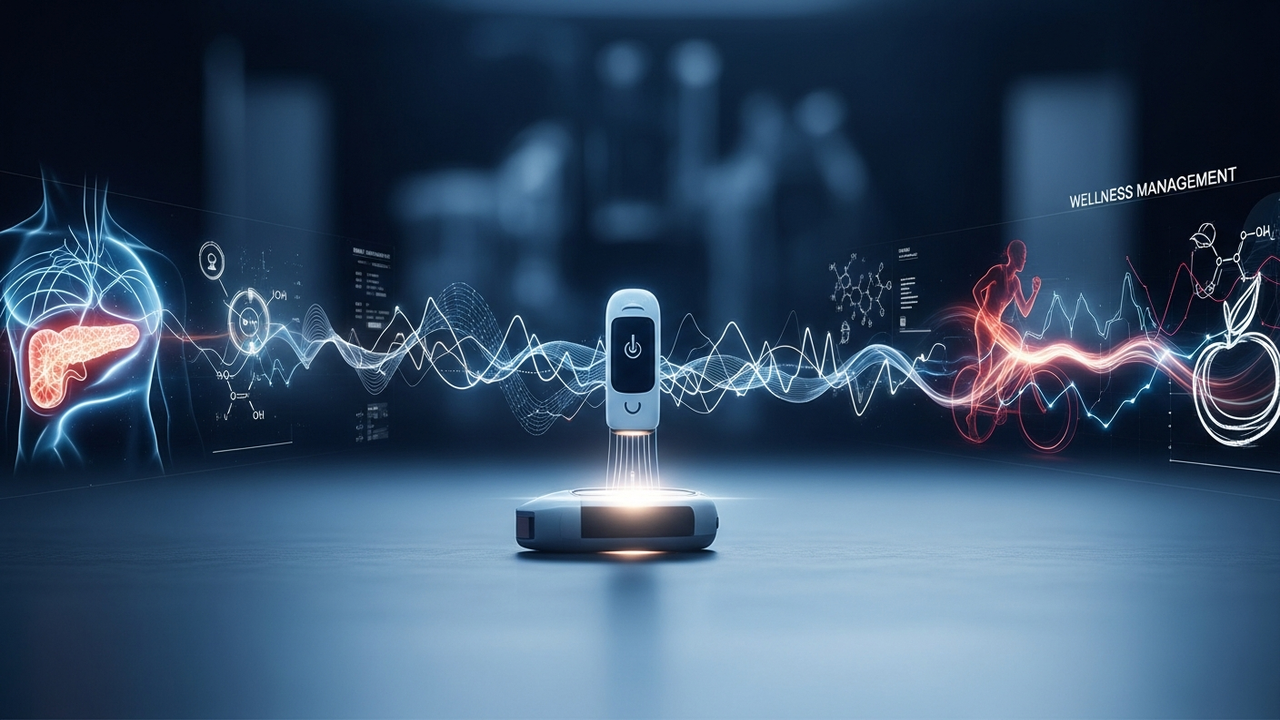
The future of CGM holds potential not only for diabetes management but also as a broad wellness management tool. Further integration with AI and machine learning will lead to the development of more sophisticated personalized health platforms that combine CGM data with other biosignals (activity, sleep, heart rate variability, etc.). This is expected to provide dynamic and adaptive health advice in real-time, tailored to individual genetic predispositions, lifestyles, and goals. For instance, systems could recommend optimal recovery foods based on post-exercise glucose response or suggest mindfulness interventions based on the relationship between stress levels and glucose. While improving cost-effectiveness, ensuring data privacy and security, and establishing clear scientific evidence for use in healthy individuals remain critical challenges for commercialization and widespread adoption, CGM has very high potential to serve as the foundation for personalized preventive medicine.
Get our weekly technology intelligence — free
Receive an infographic that lets you judge at a glance whether each field’s analysis report is worth reading.
Subscribe Free — Weekly Tech Intelligence
By subscribing, you’ll receive Troy-Technical’s weekly technology intelligence newsletter.
- Your email and selected fields are used only to deliver the newsletter.
- We never share your information with third parties.
- You can unsubscribe anytime via the link in each email.
See our Privacy Policy for details.
Takes about a minute · Unsubscribe anytime