Key Findings
Discussions at the International Society for Stem Cell Research (ISSCR) 2026 underscored that the year 2026 is pivotal for the transition of iPSC-derived cell therapeutics from research to clinically validated treatments. Central to this acceleration is the emergence of ‘AI-assisted stem cell engineering,’ identified as a key solution for overcoming persistent challenges in cost, manufacturing scalability, safety, and regulatory approval.
Technical / Clinical Details
iPSC-derived cell therapeutics hold immense promise for regenerative medicine, yet their journey to commercialization faces significant hurdles. These include the high cost of personalized cell manufacturing, the need for scalable processes to produce consistent quality at large volumes, robust safety evaluation for complex cellular products, and streamlined regulatory approval pathways. AI-assisted stem cell engineering is poised to address these challenges through several mechanisms:
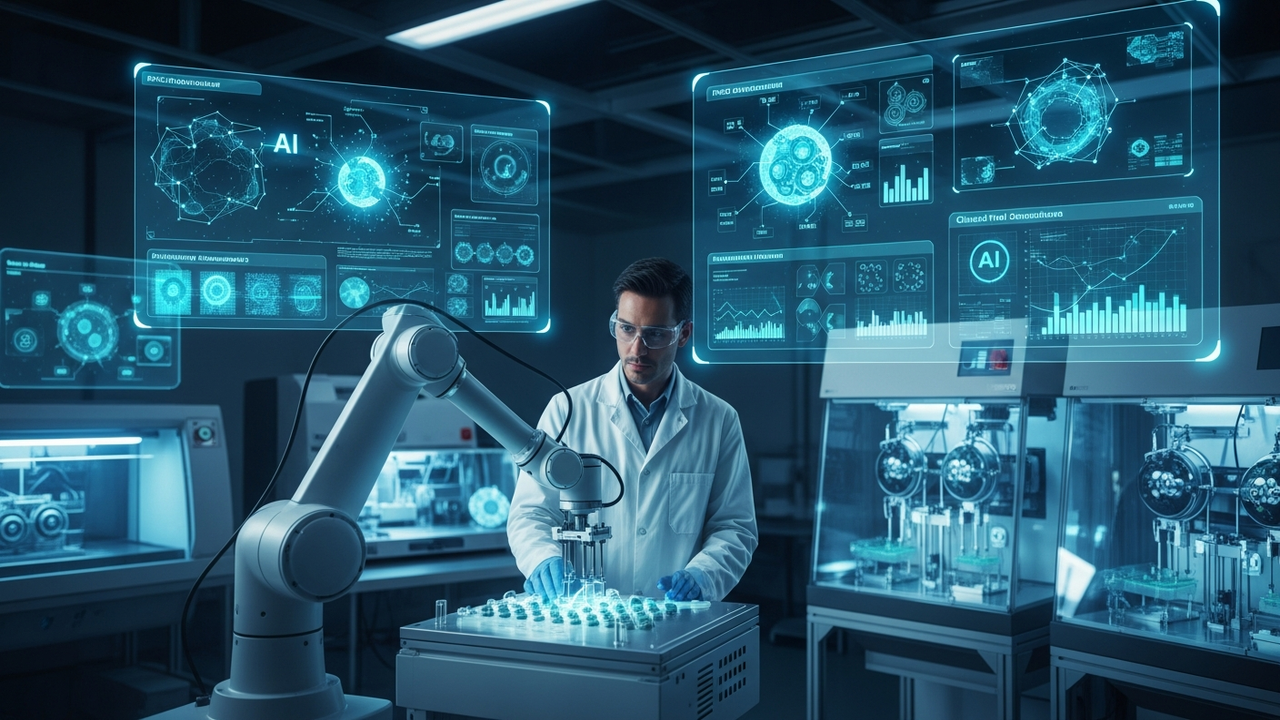
- Manufacturing Process Optimization: AI algorithms can optimize iPSC culture conditions, differentiation protocols, and quality control parameters, thereby reducing manufacturing costs and improving production efficiency. For example, AI-driven image analysis can monitor cell morphology changes in real-time, dictating optimal timing for culture media changes or cell passaging.
- Enhanced Safety Assessment: AI models, capable of detecting subtle abnormal patterns in vast datasets, can more accurately and earlier identify potential safety concerns, such as tumorigenicity or immunogenicity, associated with iPSC-derived cell products.
- Data-Driven Research Acceleration: AI facilitates the integration and analysis of immense multi-omics data (genomics, epigenomics, transcriptomics) related to iPSCs, leading to the discovery of novel differentiation pathways and accelerating the design of more efficient and effective cell products.
It is anticipated that ISSCR 2026 featured numerous presentations detailing specific research findings and strategic applications of AI in these areas.
Background & Context
The discovery of induced pluripotent stem cells (iPSCs) revolutionized stem cell research, offering unparalleled potential for disease modeling and therapeutic applications. However, translating this potential into widespread clinical reality requires bridging the ‘valley of death’ between laboratory breakthroughs and commercial availability. This necessitates innovative technologies and robust infrastructure to manage complex biological variables and achieve optimizations that are often beyond human capabilities. AI is increasingly recognized as a critical tool to navigate these complexities in bioengineering, managing vast datasets and accelerating the iterative development cycles of cell therapies.
Strategic Significance & Outlook
The advancements in AI-assisted stem cell engineering are expected to significantly accelerate the development and commercialization of iPSC-derived cell therapeutics, offering new hope for patients suffering from currently intractable diseases. From 2026 onwards, AI-integrated manufacturing platforms and quality control systems are anticipated to become industry standards, enabling the market introduction of cost-effective, safe, and highly efficacious cell therapies. This will likely expand the entire regenerative medicine market, creating new business opportunities for researchers, engineers, and investors dedicated to bringing these innovative treatments to patients globally.
Get our weekly technology intelligence — free
Receive an infographic that lets you judge at a glance whether each field’s analysis report is worth reading.
Subscribe Free — Weekly Tech Intelligence
By subscribing, you’ll receive Troy-Technical’s weekly technology intelligence newsletter.
- Your email and selected fields are used only to deliver the newsletter.
- We never share your information with third parties.
- You can unsubscribe anytime via the link in each email.
See our Privacy Policy for details.
Takes about a minute · Unsubscribe anytime