Key Findings
The U.S. National Institutes of Health (NIH) has launched a groundbreaking ‘Quantum Sensing Technology Challenge.’ This challenge aims to encourage interdisciplinary research teams to apply emerging quantum-enabled sensing approaches to biomedical research and clinical applications, soliciting innovative solutions. This initiative is expected to lead to significant advancements in diagnostic and therapeutic technologies within the medical field.
Technical / Clinical Details
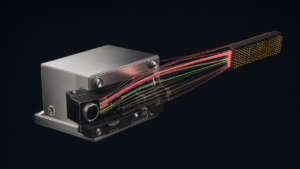
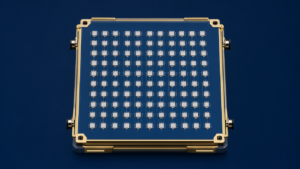
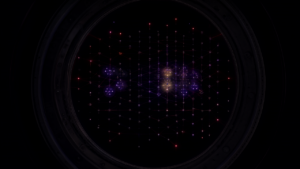
Quantum sensing technology utilizes the principles of quantum mechanics to measure physical quantities (such as magnetic fields, electric fields, temperature, and molecular concentrations) with extremely high sensitivity and precision. The challenge calls for applying quantum sensing technologies to a wide range of biomedical problems, including high-resolution imaging of brain activity in neuroscience, ultra-sensitive biomarker detection for early cancer diagnosis, real-time molecular diagnostics for personalized medicine, and the development of new therapeutic methods. The NIH specifically emphasizes the development of sensing platforms based on the control and manipulation of quantum systems like photons, atoms, and electron spins. This initiative aims to bridge the gap from technology development to clinical trials, maximizing the potential of quantum sensing.
Background & Context
Through its ‘National Quantum Initiative,’ the U.S. has invested heavily in quantum science and technology, but much of this has been concentrated in fundamental physics and computing. However, to unlock the true potential of quantum technology, its application in the biomedical field is indispensable. Previously, there have been challenges such due to a lack of interdisciplinary cooperation between fields like quantum physics, materials science, biology, and medicine, and insufficient resources for translating quantum technologies into medical applications. The ‘Quantum Sensing Technology Challenge’ is designed to bridge this gap and stimulate new technological innovation.
Strategic Significance & Outlook
This challenge is expected to be a powerful catalyst for the rapid development and practical application of quantum sensing technologies in the biomedical sector. Successful projects are anticipated to generate new medical technologies, such as high-precision diagnostic tools, non-invasive monitoring devices, and targeted therapies, which could fundamentally transform patient care. Furthermore, this initiative will foster new collaborations between quantum scientists and biomedical researchers/clinicians, building an interdisciplinary ecosystem. Ultimately, it is projected to contribute to the achievement of the U.S. National Quantum Initiative’s goals and bring long-term benefits to national health and well-being.
Source: https://grants.nih.gov/grants/guide/rfa-files/RFA-RM-26-004.html
Get our weekly technology intelligence — free
Receive an infographic that lets you judge at a glance whether each field’s analysis report is worth reading.
Subscribe Free — Weekly Tech Intelligence
By subscribing, you’ll receive Troy-Technical’s weekly technology intelligence newsletter.
- Your email and selected fields are used only to deliver the newsletter.
- We never share your information with third parties.
- You can unsubscribe anytime via the link in each email.
See our Privacy Policy for details.
Takes about a minute · Unsubscribe anytime