Key Findings
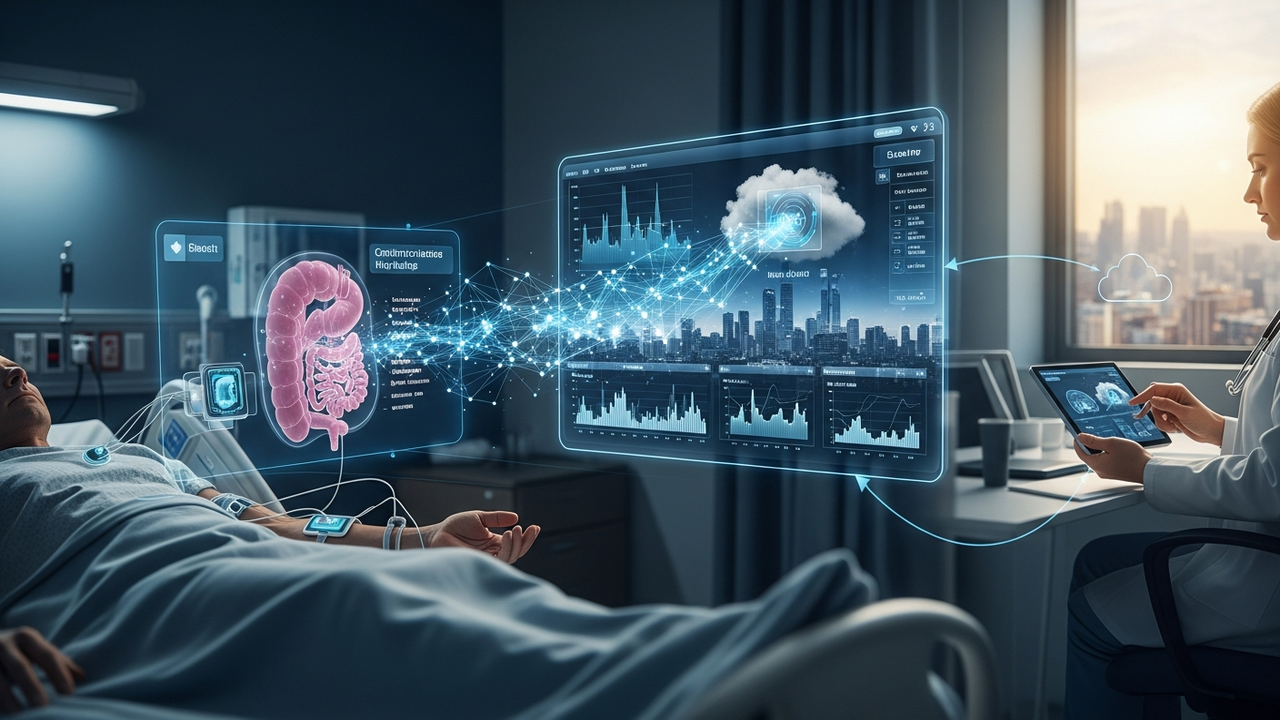
Philips has substantially expanded its open patient monitoring ecosystem through strategic collaborations with several key partners, including Respiree, smartQare, LifeSignals, Blue Spark Technologies, Caretaker Medical, and Cuviva. This strategic enhancement aims to provide advanced wearable biosensor technologies for continuous monitoring of vital biomarkers—such as cardio-respiratory function, SpO2, pulse, skin temperature, and activity—extending patient surveillance beyond the hospital bedside, throughout hospitalization and post-discharge periods.
Technical/Clinical Details
This expanded ecosystem integrates cutting-edge wearable biosensor technologies from each partner. For instance, Respiree contributes patented direct respiratory rate and lung physiological markers, while LifeSignals and Blue Spark Technologies offer reliable wireless vital sign monitoring solutions. These non-invasive sensors are affixed to the patient’s body, collecting data in real time and securely transmitting it to Philips’ monitoring platform. This enables healthcare professionals to detect subtle physiological changes early, facilitating the timely identification of risks such as worsening infections, cardiac events, or respiratory distress. Continuous SpO2 and pulse monitoring serve as critical indicators of systemic patient status changes, while skin temperature and activity data aid in evaluating inflammatory responses and recovery progress.
Background & Context
The growing aging population and increasing prevalence of chronic diseases place immense pressure on healthcare systems. Key challenges include the risk of readmission after early discharge and compromised patient outcomes due to missed signs of clinical deterioration. Philips’ ecosystem expansion addresses these issues by promoting decentralized and efficient healthcare, ensuring patients receive safe and continuous care at home or other locations. An open platform strategy is crucial for integrating devices and data from different vendors, offering flexibility and choice to health systems.
Strategic Significance & Outlook
This expanded ecosystem represents a significant step in shaping the future of patient monitoring. Further integration of AI and machine learning is anticipated, enabling more precise predictive analytics and personalized intervention recommendations from the vast amount of biomarker data collected. This is expected to strengthen preventive care, shorten hospital stays, and reduce healthcare costs. Through such open innovation, Philips aims to deliver patient-centric, more comprehensive, and continuous healthcare solutions, thereby solidifying its leadership in the digital health market.
Get our weekly technology intelligence — free
Receive an infographic that lets you judge at a glance whether each field’s analysis report is worth reading.
Subscribe Free — Weekly Tech Intelligence
By subscribing, you’ll receive Troy-Technical’s weekly technology intelligence newsletter.
- Your email and selected fields are used only to deliver the newsletter.
- We never share your information with third parties.
- You can unsubscribe anytime via the link in each email.
See our Privacy Policy for details.
Takes about a minute · Unsubscribe anytime