Key Findings
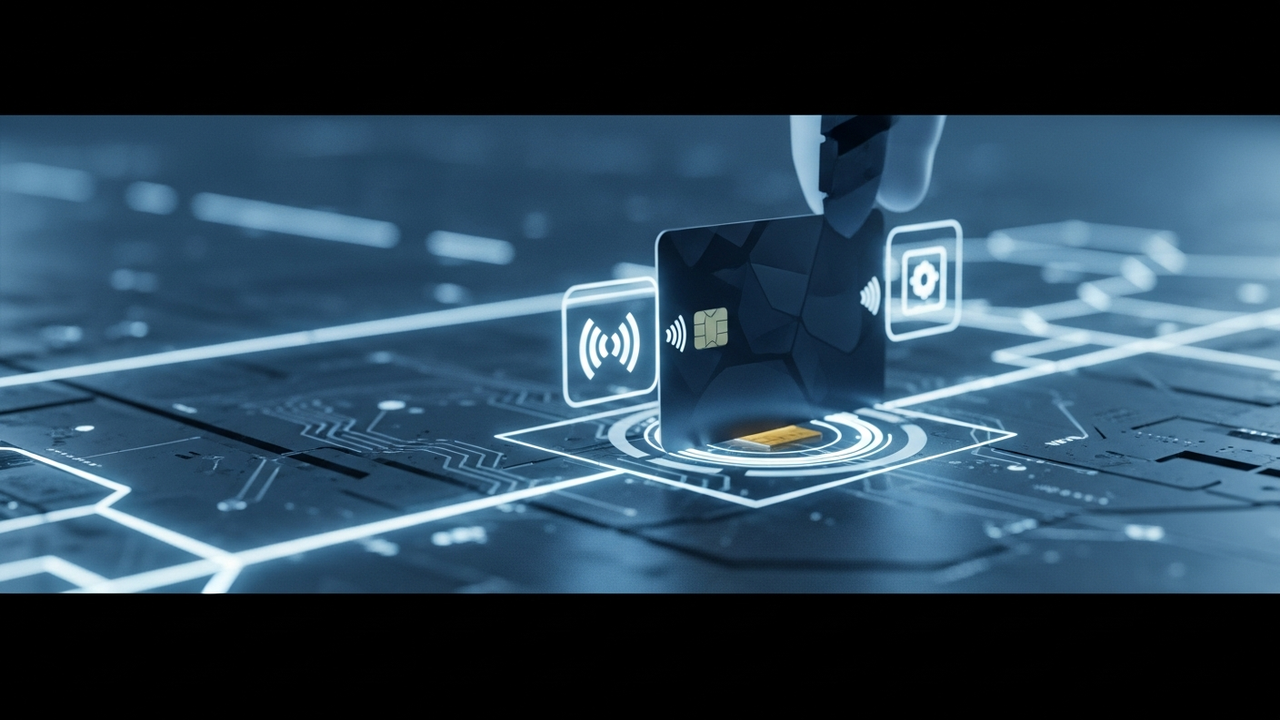
TOPPAN Inc. has announced the development of “PQC CARD Dual,” the world’s first dual-interface smart card equipped with NIST (National Institute of Standards and Technology)-standardized Post-Quantum Cryptography (PQC) algorithms, specifically ML-KEM and ML-DSA. This groundbreaking product offers a practical solution to prepare for the threats posed by future quantum computers.
Technical / Clinical Details
The “PQC CARD Dual” successfully implements NIST-standardized PQC algorithms within the limited memory capacity of a smart card, while supporting both contact and contactless interfaces. This was achieved through TOPPAN’s proprietary memory-saving technology. ML-KEM (Key Encapsulation Mechanism) is used for key establishment, and ML-DSA (Digital Signature Algorithm) is used for digital signatures, ensuring secure authentication and data protection even after card issuance. TOPPAN aims to support a smooth transition from conventional cryptographic methods to PQC in public services, medical authentication, and corporate authentication by fiscal year 2027. By enabling PQC compatibility while utilizing existing IC card readers and systems, the solution helps suppress large-scale infrastructure investments and reduces adoption barriers.
Background & Context
The advancement of quantum computers poses a potential threat to current public-key cryptographic systems (such as RSA and ECC), capable of breaking them in seconds. This raises concerns about the advent of a “Quantum Era” where sensitive information worldwide could be compromised. To address this, NIST has been standardizing PQC algorithms, and governments and enterprises globally are accelerating their preparations for PQC migration. Smart cards are foundational authentication and security devices used in all aspects of society, including e-passports, driver’s licenses, health insurance cards, and bank cards, making their PQC compatibility an urgent necessity. TOPPAN’s “PQC CARD Dual” is a concrete product solution to this challenge, positioning it as a leading development in the industry.
Strategic Significance & Outlook
The development of “PQC CARD Dual” represents a critical step towards building quantum-resilient social infrastructure. The target for practical implementation by fiscal year 2027 will encourage early adoption of PQC technology, helping government agencies and private enterprises reduce their period of vulnerability to quantum threats. In the future, this smart card technology is expected to be utilized in a wide range of applications, including enhancing financial transaction security, strengthening personal information protection, and ensuring overall supply chain security. TOPPAN plans to further develop quantum security solutions based on this technology, establishing its position as a key player in the international PQC migration effort.
Source: https://www.toppan.com/en/news/2026/08/newsrelease260803_1.html
Get our weekly technology intelligence — free
Receive an infographic that lets you judge at a glance whether each field’s analysis report is worth reading.
Subscribe Free — Weekly Tech Intelligence
By subscribing, you’ll receive Troy-Technical’s weekly technology intelligence newsletter.
- Your email and selected fields are used only to deliver the newsletter.
- We never share your information with third parties.
- You can unsubscribe anytime via the link in each email.
See our Privacy Policy for details.
Takes about a minute · Unsubscribe anytime