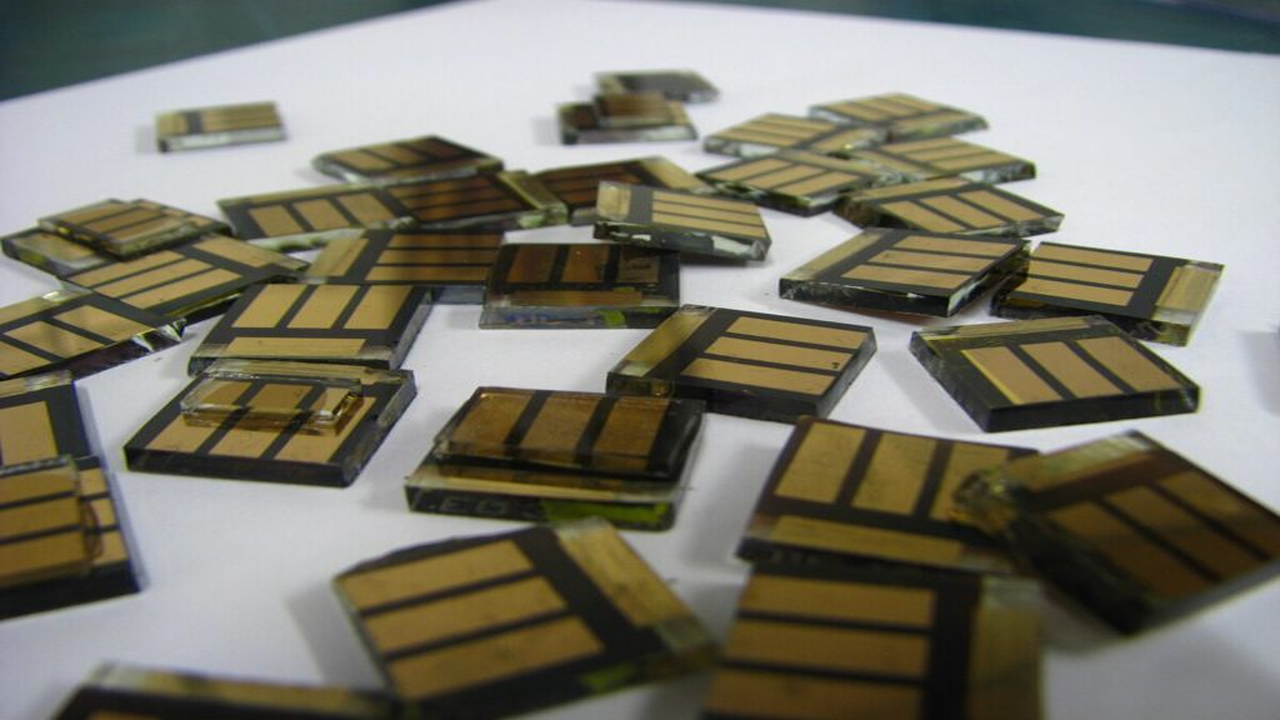
Key Findings
A materials design paper, reported by PV Magazine, has revealed the potential for “unexpected copper corrosion” at the copper/MoO3 interface in perovskite solar cells. This discovery raises significant concerns regarding the long-term stability and reliability of n-i-p type perovskite devices that utilize copper as an electrode material, suggesting a critical flaw previously overlooked.
Technical / Clinical Details
- The research meticulously analyzed the interaction at the interface between the copper electrode and molybdenum oxide (MoO3). This interface is crucial for charge transport within the device, and its stability directly correlates with overall device performance.
- Analyses indicated that under specific conditions, copper reacts with MoO3 to form corrosion products. This corrosion can degrade the electrical conductivity of the interface, potentially leading to a substantial reduction in the device’s efficiency and operational lifespan.
- The issue surfaces as a significant reliability challenge, particularly for cost-effective designs employing copper electrodes, a challenge previously unrecognized amidst the rapid commercialization efforts of perovskite solar cells.
Background & Context
Perovskite solar cells are widely recognized as a next-generation photovoltaic technology due to their high power conversion efficiency and potential for low-cost manufacturing. However, ensuring long-term stability and reliability remains the paramount challenge for their widespread commercial deployment. Interfaces within these devices are critically important for efficient charge transport and overall device stability, necessitating precise material selection and interface optimization. The discovery of copper corrosion at this interface mandates a re-evaluation of existing material selection strategies and highlights the urgent need for developing more robust device architectures.
Strategic Significance & Outlook
This research emphatically points towards new directions for R&D aimed at enhancing the reliability of perovskite solar cells. Future efforts must prioritize exploring alternative materials for copper electrodes or developing novel barrier layers and doping strategies to mitigate corrosion at the copper/MoO3 interface. Overcoming this challenge will be pivotal for leveraging the inherent cost advantages of copper-based perovskite solar cells while simultaneously ensuring their long-term reliability and commercial success. The industry must collectively address this “invisible corrosion” problem to solidify perovskite technology’s market position and accelerate its global adoption as a sustainable energy solution.
Get our weekly technology intelligence — free
Receive an infographic that lets you judge at a glance whether each field’s analysis report is worth reading.
Subscribe Free — Weekly Tech Intelligence
By subscribing, you’ll receive Troy-Technical’s weekly technology intelligence newsletter.
- Your email and selected fields are used only to deliver the newsletter.
- We never share your information with third parties.
- You can unsubscribe anytime via the link in each email.
See our Privacy Policy for details.
Takes about a minute · Unsubscribe anytime