Key Findings
The emergence of biologics, particularly next-generation modalities such as Antibody-Drug Conjugates (ADCs), Cell and Gene Therapies (CGTs), and mRNA products, alongside GLP-1 receptor agonists, is profoundly accelerating the evolution of fill-finish manufacturing processes. This transformation is characterized by the expanded adoption of automation, isolator technology, and digital manufacturing systems, aiming for enhanced quality, efficiency, and scalability across the industry.
Technical & Clinical Details
Fill-finish manufacturing, involving the sterile filling and packaging of drug products, is a critically important process conducted under aseptic conditions. The advent of next-generation therapeutics necessitates that this process adapt to increasingly complex and individualized requirements. Manufacturers are actively implementing the following technological innovations:
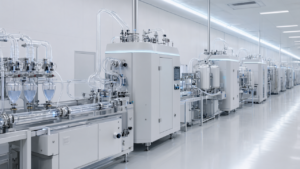
- Advanced Automation: Minimizing human intervention reduces human error and maintains sterility. Robotic arms and automated filling machines enable precise filling and container handling.
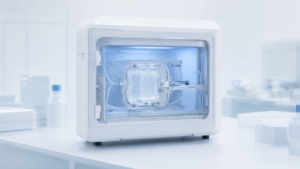
- Isolator Technology: Ensures the highest level of sterility by completely separating the operational environment from the product. This is crucial for the manufacturing of high-value and sensitive biopharmaceuticals like cell and gene therapy products.
- Digital Manufacturing Systems: Integration of IoT (Internet of Things) sensors and AI-driven analytical tools allows for real-time data collection, analysis, and process monitoring. This improves manufacturing transparency and enables early detection and correction of quality anomalies.
- Flexible Production Lines: Modular equipment allowing rapid changeovers is being adopted to accommodate diverse product types (vials, syringes, cartridges) and varying batch sizes.
These technologies are indispensable for reducing product variability and ensuring a stable supply to patients.
Background & Context
Biologics, due to their complex molecular structures and sensitivity to heat and shear stress, require extremely careful handling during manufacturing, especially in fill-finish processes, compared to traditional small-molecule drugs. The market for GLP-1 receptor agonists (for diabetes and obesity treatment) has expanded rapidly in recent years, demanding high-volume production with uncompromised quality. Additionally, personalized medicine products like ADCs and CGTs present unique challenges in aseptic manufacturing of small-batch, high-value products. In this context, many pharmaceutical companies are increasingly outsourcing to Contract Development and Manufacturing Organizations (CDMOs) that possess specialized aseptic manufacturing expertise and flexible production capacities. CDMOs are meeting these evolving market needs through investments in new technologies and accumulation of specialized knowledge.
Strategic Significance & Outlook
The adoption of automation, isolators, and digital manufacturing systems in fill-finish operations is expected to accelerate further. This will likely reduce biopharmaceutical manufacturing costs and shorten time-to-market. CDMOs will continue to be key players driving technological innovation and capacity expansion in this sector. Furthermore, advancements in real-time monitoring and predictive analytics will enable more robust supply chains and product traceability, ultimately contributing to the stable supply of high-quality medicines to patients. Innovations in small-batch production and personalized medicine filling will also support the proliferation of more diverse therapeutic modalities.
Get our weekly technology intelligence — free
Receive an infographic that lets you judge at a glance whether each field’s analysis report is worth reading.
Subscribe Free — Weekly Tech Intelligence
By subscribing, you’ll receive Troy-Technical’s weekly technology intelligence newsletter.
- Your email and selected fields are used only to deliver the newsletter.
- We never share your information with third parties.
- You can unsubscribe anytime via the link in each email.
See our Privacy Policy for details.
Takes about a minute · Unsubscribe anytime