Key Findings
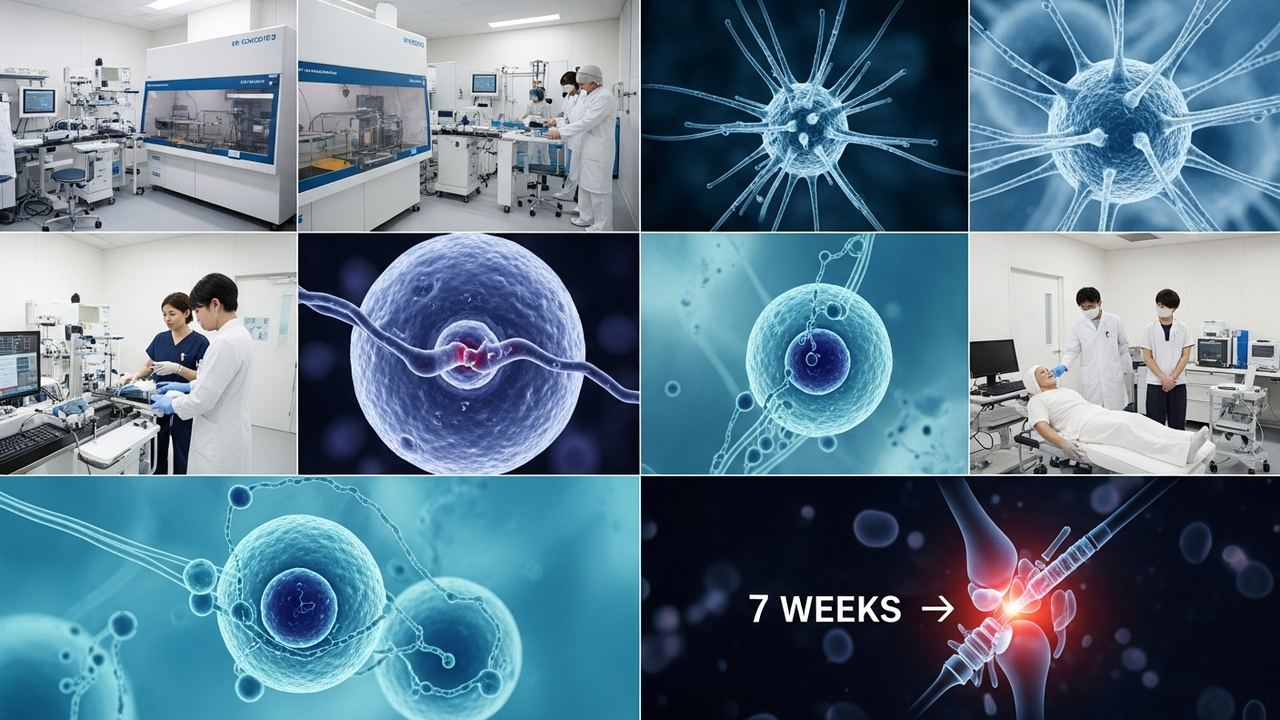
Cell Grand Clinic in Japan offers a non-surgical joint pain therapy where up to 200 million autologous stem cells, cultured over seven weeks from a patient’s own fat, are injected directly into the joint. This treatment is conducted under the strict regulatory framework of Japan’s Act on the Safety of Regenerative Medicine, ensuring each protocol is meticulously reviewed and tracked for safety.
Technical / Clinical Details
The treatment provided by Cell Grand Clinic involves the following process:
- **Stem Cell Collection**: A small amount of adipose tissue is harvested from the patient’s abdomen or thigh, a relatively minimally invasive procedure.
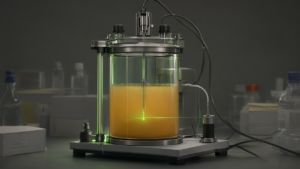
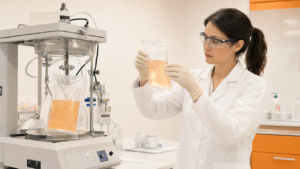
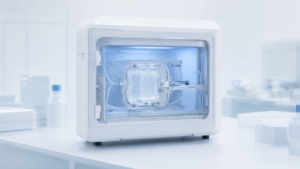
- **Cell Culture**: Mesenchymal Stem Cells (MSCs) are isolated from the collected adipose tissue and cultured and expanded over approximately seven weeks in a Cell Processing Center (CPC). During this period, MSCs are expanded to a safe and therapeutically effective quantity (up to 200 million cells). The culture process adheres to GCTP (Good Cell and Tissue Practice) standards required by Japan’s Act on the Safety of Regenerative Medicine, under stringent quality control.
- **Injection into the Affected Area**: The expanded autologous MSCs are injected directly into the damaged joint (e.g., knee, shoulder, hip) under ultrasound guidance. MSCs are believed to possess anti-inflammatory properties, promote tissue repair, and induce chondrocyte differentiation, aiming to alleviate joint pain and improve function.
This non-surgical approach offers advantages such as reduced physical burden on patients and shorter recovery periods.
Background & Context
Joint pain, particularly osteoarthritis, has a high prevalence in aging societies and significantly diminishes quality of life. Conventional treatments include pharmacotherapy, physical therapy, and, for severe cases, artificial joint replacement, each with limitations and risks. Stem cell therapy is gaining attention as a new treatment option that can regenerate damaged tissues and reduce pain. Japan, with its Act on the Safety of Regenerative Medicine enacted in 2014, has established a unique regulatory framework that promotes the clinical application of regenerative medicine while ensuring patient safety. This allows facilities like Cell Grand Clinic to provide regenerative medicine under strict review.
Strategic Significance & Outlook
Autologous adipose-derived stem cell therapy for joint pain has the potential to be an attractive non-surgical option for many patients. It offers new hope, especially for those who wish to avoid surgical risks or for whom conventional treatments have been ineffective. Future challenges include long-term follow-up studies of treatment efficacy, establishing efficacy through larger clinical trials, and paving the way for insurance coverage. Treatments offered by facilities like Cell Grand Clinic represent a significant step in the practical application of regenerative medicine in Japan and hold the potential to transform the treatment paradigm for joint diseases. Investors see such personalized cell therapies as a major growth driver in the healthcare market of an aging society.
Get our weekly technology intelligence — free
Receive an infographic that lets you judge at a glance whether each field’s analysis report is worth reading.
Subscribe Free — Weekly Tech Intelligence
By subscribing, you’ll receive Troy-Technical’s weekly technology intelligence newsletter.
- Your email and selected fields are used only to deliver the newsletter.
- We never share your information with third parties.
- You can unsubscribe anytime via the link in each email.
See our Privacy Policy for details.
Takes about a minute · Unsubscribe anytime