Key Findings
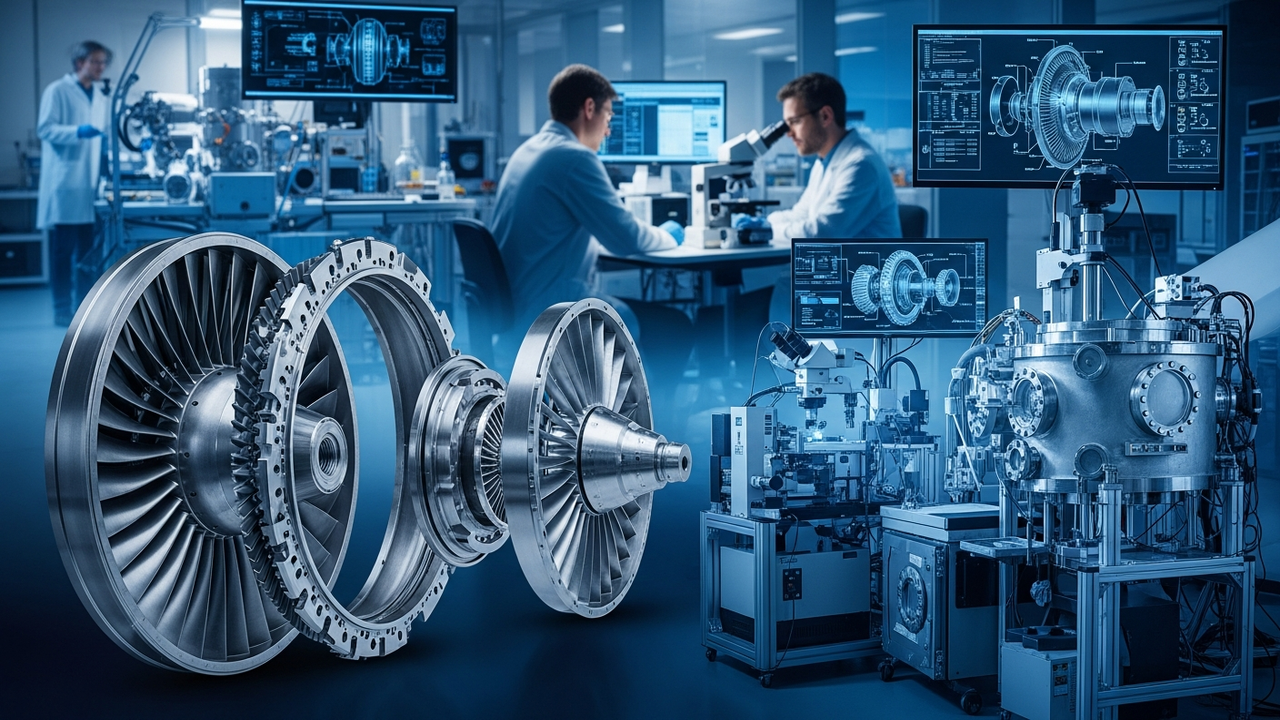
A research team at Concordia University has developed an innovative self-healing coating with the potential to dramatically enhance the durability and efficiency of aircraft engine turbines. This research focuses on deeply understanding and actively utilizing the autonomous repair capabilities of protective oxide layers that naturally form on engine component surfaces operating in extreme high-temperature environments. This achievement significantly contributes to improving aircraft safety and reducing operational costs.
Technical / Clinical Details
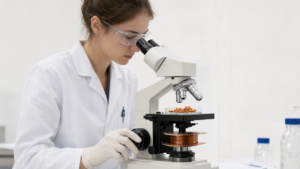
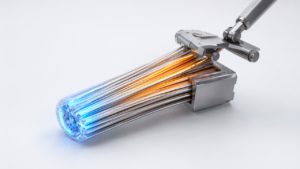
Aircraft engine turbine blades and other high-temperature components operate in extreme environments reaching thousands of degrees, making them susceptible to damage from oxidation, corrosion, and fatigue. While ceramic-based thermal barrier coatings (TBCs) are typically applied to protect these parts, they also degrade over time. Concordia University’s research focuses on the inherent ability of specific metal alloys to form protective oxide layers (scales) on or within these TBCs, which can autonomously repair microscopic cracks. The study utilized advanced characterization techniques (e.g., scanning electron microscopy, X-ray diffraction, electrochemical impedance spectroscopy) to analyze in detail how these oxide layers form at high temperatures and how they re-adhere and regrow after damage to self-heal. Specifically, the research quantitatively elucidated how this self-healing process is influenced by coating material composition, microstructure, and operating temperature, establishing design guidelines for optimal self-healing capability. This automatic repair of cracks significantly extends component lifespan and reduces the risk of unexpected failures.
Background & Context
Aircraft engines are components demanding extreme performance and reliability, and their lifespan and fuel efficiency directly impact airline operating costs. Component replacement and maintenance are expensive, and the degradation of high-temperature parts directly affects safety, making improved durability a long-standing challenge in the aerospace industry. Self-healing materials are gaining attention as a promising approach to address this challenge, capable of extending coating life and reducing maintenance frequency, thereby cutting operational costs and enhancing flight safety. This research holds the potential to dramatically improve the performance of existing TBCs, significantly influencing aircraft engine design philosophy.
Strategic Significance & Outlook
This self-healing coating technology from Concordia University holds the potential to be a game-changer in the aerospace industry. If commercialized, it would substantially reduce aircraft engine maintenance costs and downtime, improving aircraft utilization rates. Furthermore, longer-lasting, damage-tolerant engine components would enable more efficient flights, contributing to reduced fuel consumption and CO2 emissions. In the future, the scope of impact could expand further by applying this self-healing mechanism to other industrial components operating in high-temperature environments (e.g., gas turbines, power plant boiler parts). This research demonstrates that advancements in materials science are foundational to supporting safe and sustainable future air transport.
Get our weekly technology intelligence — free
Receive an infographic that lets you judge at a glance whether each field’s analysis report is worth reading.
Subscribe Free — Weekly Tech Intelligence
By subscribing, you’ll receive Troy-Technical’s weekly technology intelligence newsletter.
- Your email and selected fields are used only to deliver the newsletter.
- We never share your information with third parties.
- You can unsubscribe anytime via the link in each email.
See our Privacy Policy for details.
Takes about a minute · Unsubscribe anytime