Background
Gene editing technologies have already shown significant progress in somatic cell therapies, addressing genetic disorders such as sickle cell disease and cystic fibrosis. These approaches have advanced to clinical trials and even regulatory approval, offering symptomatic relief rather than eliminating the disease’s root cause. In contrast, germline genome editing, or ‘baby gene editing,’ targets genetic defects pre-emptively, offering the potential for complete prevention of inherited conditions. While this represents a monumental leap in medical history, it simultaneously ignites substantial ethical concerns, including fears of ‘designer babies’ and unforeseen intergenerational consequences. Consequently, strict international guidelines and moratoria have been imposed on germline editing, advocating for a highly cautious approach to its research and potential application.
Key Findings
The concept of ‘baby gene editing,’ encompassing germline genome editing at the zygote or embryonic stage, is rapidly emerging as a realistic possibility for treating genetic diseases, primarily driven by breakthroughs in CRISPR technology. This approach aims to deliver a definitive cure for severe monogenic disorders by correcting genetic defects at their fundamental origin. Despite being fraught with complex ethical and societal discussions, the remarkable precision and efficiency of CRISPR position it as a compelling frontier in research, holding the promise of novel therapeutic options for previously untreatable hereditary conditions.
Technical and Clinical Details
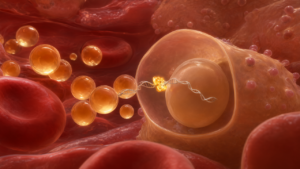
In germline genome editing, the CRISPR-Cas9 system is precisely deployed to correct specific genetic mutations responsible for inherited diseases directly within the genome of a fertilized egg or early embryo. By editing the genome at this initial developmental stage, prior to cellular division, the introduced genetic modification holds the potential to be incorporated into every cell of the developing individual, thereby offering lifelong therapeutic effects. Technical strategies include utilizing homology-directed repair to replace mutated DNA sequences with normal ones, or employing epigenetic editing to modulate gene expression without altering the underlying DNA sequence. Currently, this technology remains predominantly in the fundamental research phase, with human clinical application being exceedingly limited and subject to rigorous regulatory oversight. Potential applications under highly restricted scenarios might involve addressing mitochondrial diseases through pronuclear transfer (often referred to as ‘three-parent babies’) or correcting specific single-gene disorders in embryos. However, paramount challenges persist, including mitigating off-target edits, preventing mosaicism (where not all cells are uniformly edited), and ensuring long-term safety without unintended germline effects. Rigorous validation of genetic modifications and their stability across cell lineages is therefore essential.
Outlook and Societal Implications
The future trajectory of germline genome editing technology critically depends on a delicate balance between scientific advancement and broad ethical and societal acceptance. Future research will focus intensely on further enhancing the precision and safety of CRISPR systems, with the goal of reducing off-target effects to negligible levels. Maximizing editing efficiency at the single-cell level and ensuring the complete elimination of mosaicism are also crucial technical objectives. Even if these technical hurdles are successfully overcome and safety rigorously established, the clinical application of germline editing will necessitate extensive societal consensus. For the foreseeable future, basic research will continue under strict supervision, offering a glimmer of hope to families affected by severe genetic diseases. This progressive research could bring humanity a significant step closer to the ultimate goal of eradicating inherited diseases, potentially redefining the boundaries of genetic medicine and human intervention.
Source: https://int.livhospital.com/baby-gene-editing-how-crispr-works-whats-next/
Get our weekly technology intelligence — free
Receive an infographic that lets you judge at a glance whether each field’s analysis report is worth reading.
Subscribe Free — Weekly Tech Intelligence
By subscribing, you’ll receive Troy-Technical’s weekly technology intelligence newsletter.
- Your email and selected fields are used only to deliver the newsletter.
- We never share your information with third parties.
- You can unsubscribe anytime via the link in each email.
See our Privacy Policy for details.
Takes about a minute · Unsubscribe anytime