Key Findings
This research unveils the development of xeno-free human methacryloyl platelet lysate (hPLMA) hydrogels as a robust, reproducible, and physiologically relevant platform for 3D cell culture and tissue engineering. These hPLMA hydrogels demonstrate superior performance compared to animal-derived Matrigel, with the potential to significantly accelerate the transition of cell-based therapies and regenerative medicine into clinical applications. This represents a groundbreaking advancement in eliminating ethical concerns, reducing immunogenicity, and providing more in vivo-like culture conditions.
Technical & Clinical Details
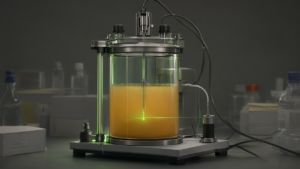
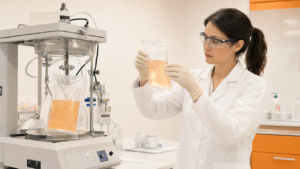
The hPLMA hydrogels are created by chemically modifying (methacryloylating) human platelet lysate. Platelet lysate is rich in numerous growth factors, cytokines, and extracellular matrix components, providing a highly conducive microenvironment for cell proliferation, differentiation, and functional maintenance. These hydrogels are engineered to be biocompatible, biodegradable, and possess tunable mechanical properties, allowing for customization to meet the specific needs of various cell types and tissue engineering applications. Studies revealed that hPLMA performs comparably to, or even better than, the traditional gold standard Matrigel (animal-derived) across multiple cell lines, including fibroblasts and stem cells, in terms of cell viability, proliferation, and tissue formation. Crucially, hPLMA is shown to minimize immune activation compared to Matrigel, a factor that significantly improves its safety profile for clinical use.
This hydrogel system enables more accurate modeling of cellular behavior in 3D culture environments, increasing its relevance for drug screening, toxicology testing, and disease model development. Its application as a scaffold material in tissue engineering is also highly anticipated, potentially facilitating more effective repair and regeneration of damaged tissues and organs when combined with a patient’s own cells.
Background & Context
3D cell culture systems are considered more physiologically relevant than traditional 2D cultures because they better mimic the complex microenvironment cells experience in vivo. However, many existing 3D culture systems rely on animal-derived components, such as Matrigel or fetal bovine serum, which pose challenges due to batch-to-batch variability, risks of animal pathogen transmission, and ethical concerns. These issues have been significant obstacles, particularly in the Good Manufacturing Practice (GMP) production of cell therapy products and their clinical application. The shift towards human-derived components is a critical step to address these problems, enhancing the safety, consistency, and regulatory compliance of cell therapies.
Strategic Significance & Outlook
The development of hPLMA hydrogels marks a major advancement in xeno-free 3D cell culture media and is expected to have a profound impact on regenerative medicine, tissue engineering, and drug discovery. This platform will facilitate the development of more reliable disease models, improve the efficiency of drug screening, and potentially set new standards for meeting safety requirements in the clinical manufacturing of cell therapy products. In the future, hPLMA hydrogels are expected to be widely adopted as scaffold materials for regenerating various tissues and treating diseases, contributing to the realization of more ethical and effective medical solutions. This technology also promises to advance personalized medicine.
Source: https://pmc.ncbi.nlm.nih.gov/articles/PMC13380768/
Get our weekly technology intelligence — free
Receive an infographic that lets you judge at a glance whether each field’s analysis report is worth reading.
Subscribe Free — Weekly Tech Intelligence
By subscribing, you’ll receive Troy-Technical’s weekly technology intelligence newsletter.
- Your email and selected fields are used only to deliver the newsletter.
- We never share your information with third parties.
- You can unsubscribe anytime via the link in each email.
See our Privacy Policy for details.
Takes about a minute · Unsubscribe anytime