Key Findings
An international consortium of scientists has conducted a comprehensive review of the latest advancements in sodium-ion battery (SIB) components, revealing that advanced prototypes are now achieving energy densities close to 200 Wh/kg. This breakthrough signifies a substantial leap forward, positioning SIBs as a highly promising, lower-cost, and more sustainable energy storage solution to complement or potentially replace certain applications currently dominated by lithium-ion batteries.
Technical & Clinical Details
The review highlights several key technical advancements contributing to the improved energy density of SIBs:
- Novel Cathode Materials: Development of layered oxides, polyanion compounds, and Prussian blue analogs with higher sodium storage capacity and enhanced structural stability.
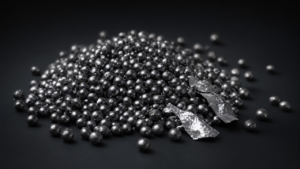
- High-Performance Anode Materials: Research into hard carbon and alloy-based materials optimized for sodium ion intercalation.
- Improved Electrolytes: Development of new electrolyte formulations (particularly non-aqueous electrolytes and solid-state electrolytes) offering wider voltage windows, higher ionic conductivity, and better compatibility with electrode interfaces.
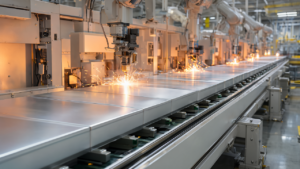
- Optimized Cell Design: Consideration of overall cell design, including electrode thickness, stacking processes, and separator materials, and their impact on energy density and power characteristics.
These advancements have allowed SIB prototypes to overcome initial limitations in energy density, approaching or even exceeding levels comparable to Lithium Iron Phosphate (LFP) batteries (typically 150-180 Wh/kg). This makes SIBs increasingly viable for applications like electric vehicles (EVs) and large-scale grid storage, where lithium-ion batteries have been predominant.
Background & Context
Lithium-ion batteries, while foundational to modern energy storage, face challenges including supply chain instability of critical minerals like lithium and cobalt, geopolitical risks, environmental impacts from mining, and price volatility. Sodium, being abundant and inexpensive, has long been investigated as an attractive alternative. However, the larger ionic radius of sodium ions compared to lithium ions has historically presented difficulties in achieving high energy density and long cycle life simultaneously. The current review indicates that these technical barriers are being steadily overcome.
Strategic Significance & Outlook
The emergence of SIB prototypes approaching 200 Wh/kg is set to create a significant impact on the energy storage market. This technology is particularly anticipated for widespread adoption in:
- Grid-Scale Energy Storage: For load balancing and grid stabilization in renewable energy integration.
- Electric Vehicles (EVs): Enabling more affordable EV options for mass markets and urban commuting due to lower costs and resource sustainability.
- Off-Grid Systems: Providing cost-effective power solutions for remote areas and developing nations.
However, commercialization still faces hurdles such as further increasing energy density, extending cycle life, and establishing cost-effective large-scale manufacturing processes. Continued research and development in materials science, electrochemistry, and manufacturing engineering, coupled with strong industry-academia collaboration, will be key to SIBs achieving mainstream market penetration.
Get our weekly technology intelligence — free
Receive an infographic that lets you judge at a glance whether each field’s analysis report is worth reading.
Subscribe Free — Weekly Tech Intelligence
By subscribing, you’ll receive Troy-Technical’s weekly technology intelligence newsletter.
- Your email and selected fields are used only to deliver the newsletter.
- We never share your information with third parties.
- You can unsubscribe anytime via the link in each email.
See our Privacy Policy for details.
Takes about a minute · Unsubscribe anytime