Key Findings
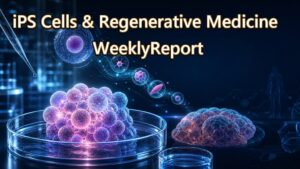
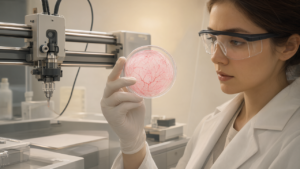
In March 2026, exactly two decades after Professor Shinya Yamanaka of Kyoto University announced the discovery of induced pluripotent stem cells (iPSCs) in 2006, Japan achieved a historic global first by approving iPSC-derived regenerative medicine products. This pioneering approval was granted to two groundbreaking therapies: myocardial cell sheets designed to treat severe heart failure and neural progenitor cell transplants aimed at restoring neurological function in Parkinson’s disease patients. This event unequivocally signals the culmination of a long journey from basic research to clinical application, ushering in an era where iPSCs are directly reaching patients.
Technical / Clinical Details
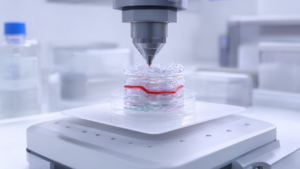
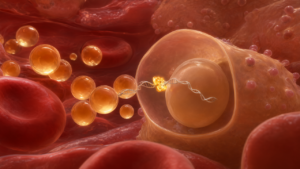
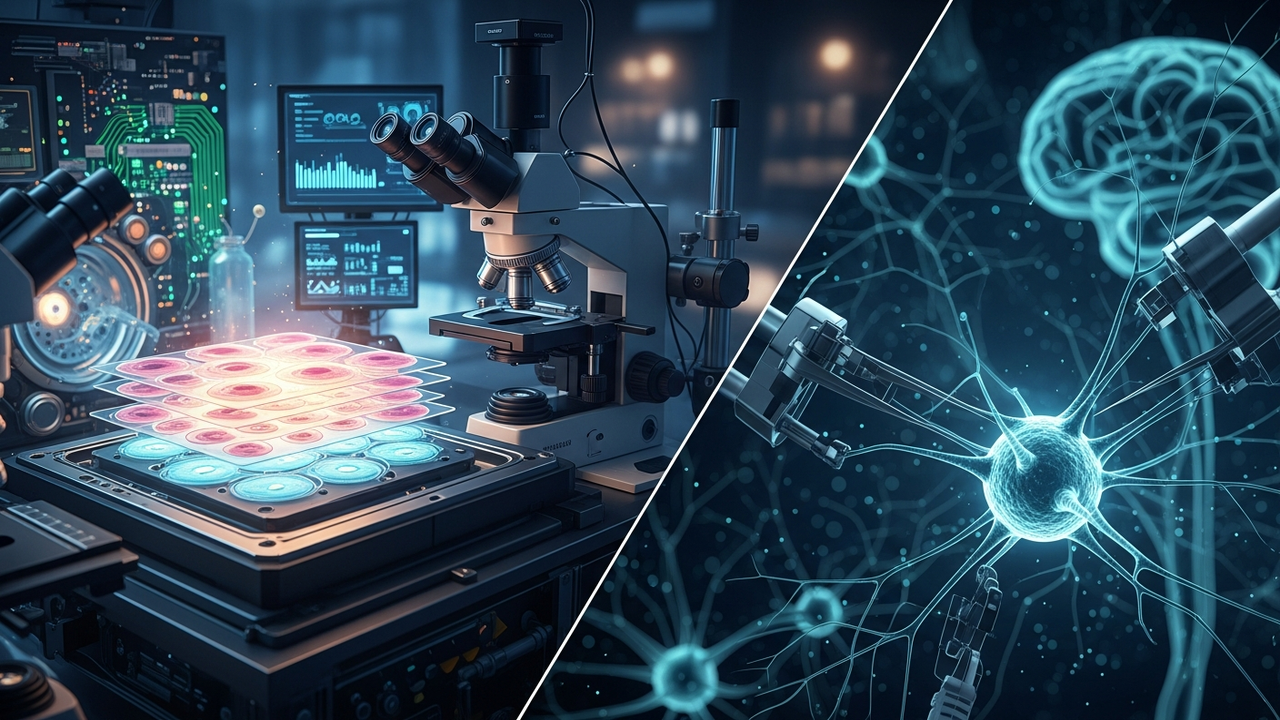
The approved myocardial cell sheets involve transplanting sheets of cardiomyocytes, generated from patient-specific or donor-derived iPSCs, onto the damaged heart of severe heart failure patients. This therapy seeks to restore cardiac pump function and improve scar tissue after myocardial infarction. For Parkinson’s disease, the neural progenitor cell transplant involves implanting dopamine-producing neural progenitor cells, differentiated from iPSCs, into the patient’s brain to replace lost neurons and ameliorate motor symptoms. These treatments offer new hope to patients for whom conventional pharmacological or surgical interventions have provided limited fundamental recovery. Clinical trials confirmed both safety and a certain level of efficacy, leading to these landmark approvals.
Background & Context
The discovery of iPSCs revolutionized regenerative medicine research by providing a pathway to derive pluripotent stem cells from somatic cells without the ethical concerns associated with embryonic stem cells (ESCs). Over the past two decades, research institutions and companies worldwide have diligently pursued the clinical application of iPSCs. Japan’s regulatory environment, particularly its ‘conditional and time-limited approval system,’ played a significant role in expediting the approval of regenerative medicine products, contributing significantly to this global first. This approval positions Japan as a global leader in regenerative medicine and is expected to influence the development and regulatory landscape of iPSC-derived therapies in other countries.
Strategic Significance & Outlook
The approval of the world’s first iPSC-derived regenerative medicine products is just the beginning. Over the next two decades, this technology is expected to further evolve and expand its applications to a wider range of diseases. Long-term data collection on the real-world efficacy and safety of the approved products will be crucial, guiding the optimization of treatment protocols. Furthermore, developing more efficient cell manufacturing techniques, reducing costs, and advancing off-the-shelf (allogeneic) iPSC products will be key areas of focus. iPSCs hold immense promise for diseases with high unmet needs, such as diabetes, spinal cord injury, and retinal diseases. This recent approval serves as a powerful catalyst to accelerate research and development in these critical areas, promising a healthier future for many.
Source: https://ips-x.site/en/news/ips-cell-milestone-2026/
Get our weekly technology intelligence — free
Receive an infographic that lets you judge at a glance whether each field’s analysis report is worth reading.
Subscribe Free — Weekly Tech Intelligence
By subscribing, you’ll receive Troy-Technical’s weekly technology intelligence newsletter.
- Your email and selected fields are used only to deliver the newsletter.
- We never share your information with third parties.
- You can unsubscribe anytime via the link in each email.
See our Privacy Policy for details.
Takes about a minute · Unsubscribe anytime