Key Findings
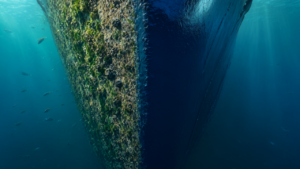
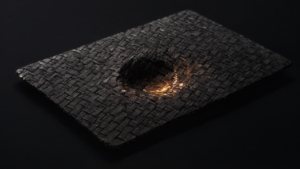
This paper presents a detailed investigation into the effect of laser scanning power on the microstructure and electrochemical corrosion resistance of AlCoCrFeNi high-entropy alloy (HEA) coatings. The research highlights that these HEA coatings, fabricated by Extremely High-speed Laser Cladding (EHLC), are exceptionally promising materials for corrosion protection of marine engineering equipment operating in harsh environments.
Technical / Clinical Details
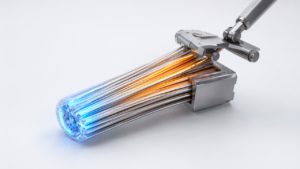
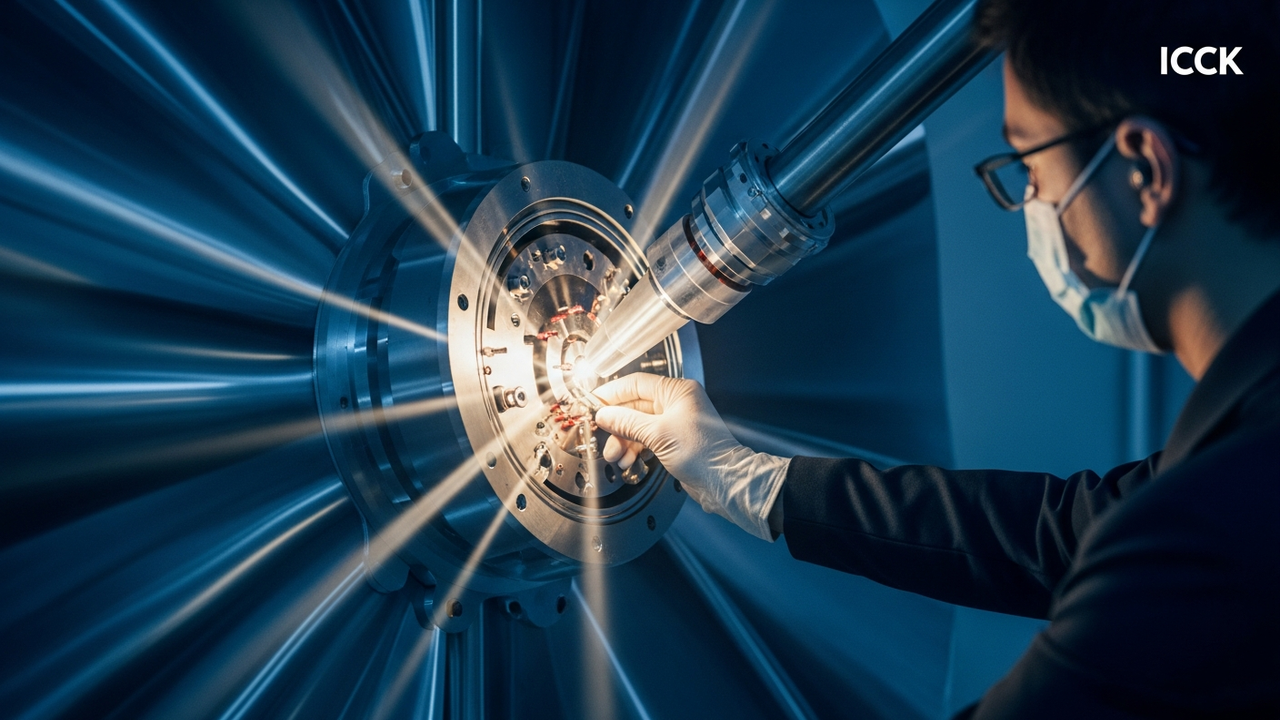
The research team employed Extremely High-speed Laser Cladding (EHLC), an advanced surface modification technique, to deposit AlCoCrFeNi HEA coatings onto a substrate. This EHLC process, characterized by high laser scanning speeds and relatively low heat input, facilitates the melting and re-solidification of material to form coatings with fine and uniform microstructures. The study meticulously analyzed how varying laser scanning powers influenced the coating’s crystalline structure (assessed by XRD) and surface morphology (evaluated by SEM). Furthermore, the corrosion resistance of the HEA coatings was assessed through electrochemical measurements (e.g., potentiodynamic polarization curves, electrochemical impedance spectroscopy) in a 3.5% NaCl solution. The results indicated that coatings formed under specific scanning power conditions exhibited the most compact microstructure and superior passivation capabilities, leading to the highest corrosion resistance. This suggests that not only alloy composition but also manufacturing process conditions critically determine the final material properties.
Background & Context
Metal components used in severe environments, such as marine settings, chemical plants, and high-temperature/high-pressure systems, constantly face issues of corrosion, wear, and fatigue. Enhancing their lifespan and reliability is a significant challenge for industries worldwide. High-entropy alloys (HEAs), with their unique composition and crystal structure, have recently garnered attention as next-generation materials possessing excellent mechanical properties and corrosion resistance. Applying HEA coatings to existing materials offers a cost-effective approach to upgrade performance with broad application potential. Laser cladding techniques continue to evolve as effective methods for forming such high-performance coatings.
Strategic Significance & Outlook
This AlCoCrFeNi HEA coating holds promise for applications in high-performance sectors where corrosion and wear are critical concerns, including marine engineering equipment (e.g., ship components, offshore structures), chemical processing equipment, and aerospace parts. Precise control of laser scanning power will enable customization of coating properties to meet specific environmental demands. Future research will focus on the applicability to various substrates, optimization of EHLC for large-scale manufacturing processes, and long-term field testing in real-world environments. This technology is expected to provide sustainable and economical solutions for surface protection of high-performance materials, significantly contributing to the extended lifespan and improved reliability of industrial infrastructure.
Source: https://www.icck.org/article/abs/jmde.2025.161346
Get our weekly technology intelligence — free
Receive an infographic that lets you judge at a glance whether each field’s analysis report is worth reading.
Subscribe Free — Weekly Tech Intelligence
By subscribing, you’ll receive Troy-Technical’s weekly technology intelligence newsletter.
- Your email and selected fields are used only to deliver the newsletter.
- We never share your information with third parties.
- You can unsubscribe anytime via the link in each email.
See our Privacy Policy for details.
Takes about a minute · Unsubscribe anytime