Key Findings
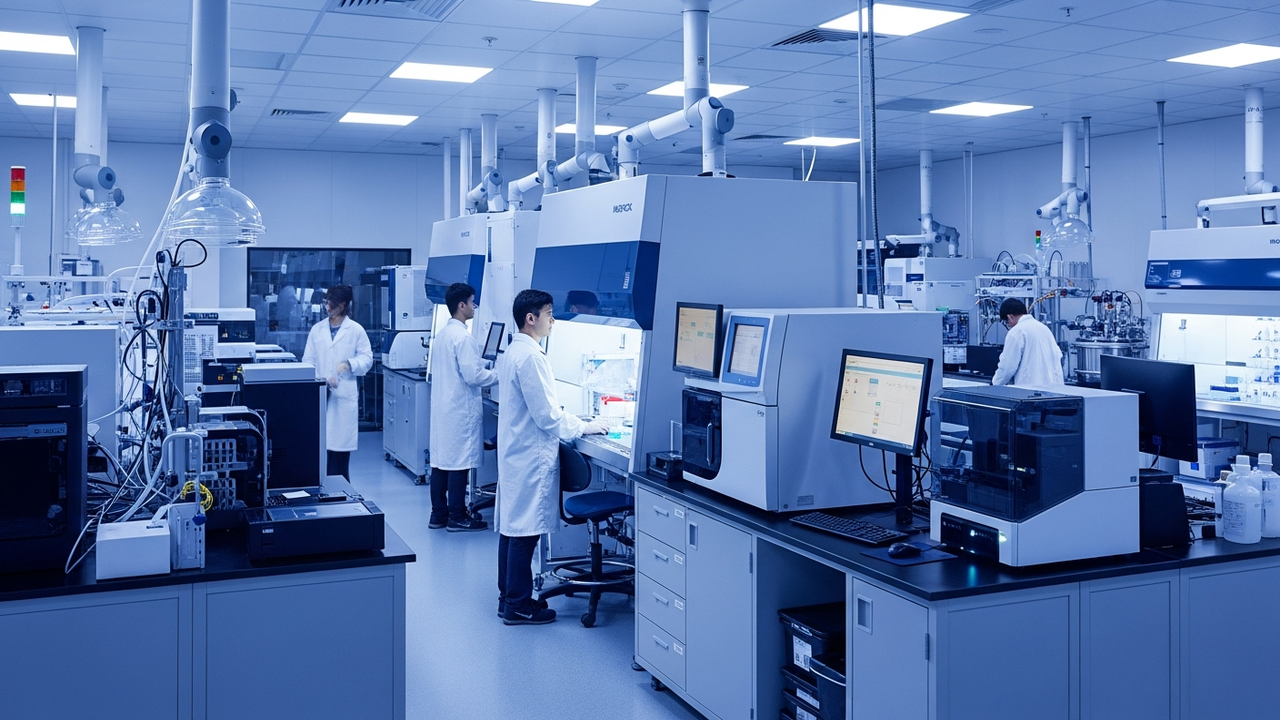
Merck has announced a significant expansion of its BioReliance lab in Singapore, aiming to substantially enhance analytical and biosafety testing services across the Asia Pacific region. This expansion will enable the facility to offer the first BioReliance Cell Line Characterization and GMP (Good Manufacturing Practice) compliant Next-Generation Sequencing (NGS) capabilities in the Asia Pacific. This investment is strategically positioned to robustly support the biopharmaceutical industry’s ongoing shift towards molecular methods and animal-free testing for quality control.
Technical / Clinical Details
The expanded BioReliance lab will provide comprehensive cell line characterization services, essential for ensuring the identity, purity, and stability of cells used in therapeutic manufacturing. The introduction of GMP NGS capabilities allows for highly sensitive and comprehensive analysis for viral detection, genetic safety assessment of cell lines, and screening for adventitious agents, surpassing the capabilities of traditional methods. Specifically, the integration of advanced molecular methods like Blazar for rapid virus detection will significantly shorten product release times and help alleviate manufacturing bottlenecks. These technologies are indispensable for providing more efficient and reliable solutions for quality control of complex biopharmaceuticals, including cell and gene therapy products. The development of in vitro assays as alternatives to animal testing is also progressing, improving both the ethical aspects and efficiency of testing while meeting regulatory requirements.
Background & Context
Due to their inherent complexity, the manufacturing of biopharmaceuticals necessitates rigorous quality control and biosafety testing. The emergence of novel modalities such as cell and gene therapies has further amplified the importance of these tests. The Asia Pacific region is a rapidly growing hub for biopharmaceutical R&D and manufacturing, leading to increased demand for advanced testing capabilities in this area. However, the supply of specialized GMP-compliant labs and technologies has remained limited. Merck’s investment is a crucial step to bridge this regional infrastructure gap and support the local biopharma ecosystem.
Strategic Significance & Outlook
The expansion of the Singapore BioReliance lab will elevate quality control standards and accelerate innovation across the entire biopharmaceutical development and manufacturing landscape in Asia Pacific. Companies within the region will gain access to more advanced and rapid testing services, which in turn will shorten new drug development timelines and streamline market entry processes. Through this expansion, Merck aims to strengthen its pivotal role in the global biopharmaceutical supply chain and contribute to patients’ rapid access to safe and effective therapies. The widespread adoption of molecular methods like NGS is key to meeting evolving future regulatory requirements and building more robust quality assurance systems.
Get our weekly technology intelligence — free
Receive an infographic that lets you judge at a glance whether each field’s analysis report is worth reading.
Subscribe Free — Weekly Tech Intelligence
By subscribing, you’ll receive Troy-Technical’s weekly technology intelligence newsletter.
- Your email and selected fields are used only to deliver the newsletter.
- We never share your information with third parties.
- You can unsubscribe anytime via the link in each email.
See our Privacy Policy for details.
Takes about a minute · Unsubscribe anytime