Key Findings
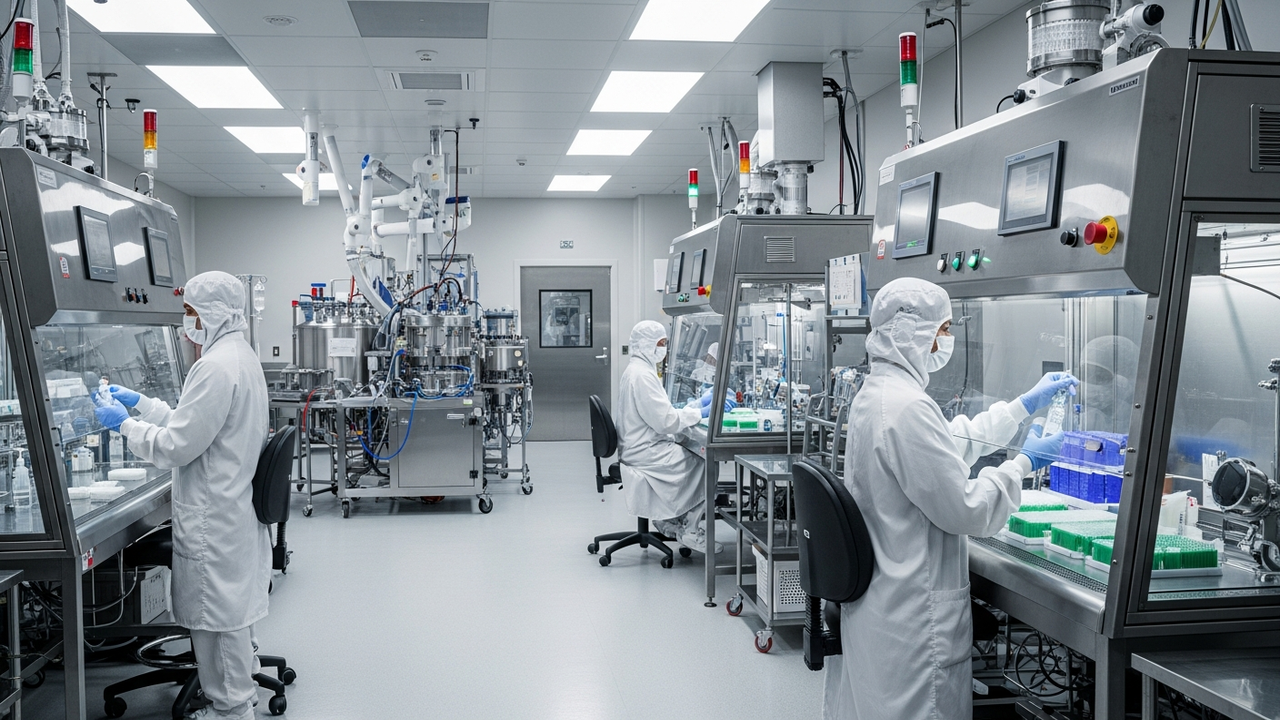
The Center for Cell and Gene Therapy (CAGT) at Texas Children’s Hospital has achieved an unparalleled track record, manufacturing over 10,000 cell therapy products and more than 70 types of clinical-grade viral vectors over the past two decades through its state-of-the-art Good Manufacturing Practice (GMP) facility. This in-house manufacturing capability functions as a ‘powerhouse,’ rapidly advancing investigator-initiated innovative therapies and accelerating the translation of groundbreaking laboratory discoveries into clinical applications for patients.
Technical & Clinical Details
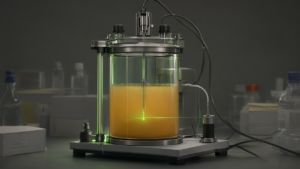
CAGT’s GMP facility is meticulously designed to uphold the highest quality and safety standards in the production of cell and gene therapy products. The facility’s equipment is highly specialized, capable of handling diverse cell and gene therapy products, including viral vector production, stem cell culture and processing, and manufacturing of immunotherapies like CAR T cells. Over the last 20 years, the range of manufactured products has been extensive, demonstrating:
- Number of Cell Therapy Products: Over 10,000. This includes cell products for immune reconstitution after bone marrow transplantation and investigational cell formulations targeting various diseases.
- Number of Clinical-Grade Viral Vectors: Over 70 types. Viral vectors are indispensable tools for delivering target genes into cells for gene therapy, and their quality directly impacts the safety and efficacy of treatments. Diverse vector production capabilities enable addressing a wide array of genetic disorders.
The facility provides a flexible platform for researchers to rapidly develop protocols based on their own ideas and translate them into clinical trials. This significantly reduces time and cost compared to external outsourcing, thereby accelerating the development cycle of new therapies. Furthermore, complete internal control over the manufacturing process enhances quality control and assurance, streamlining regulatory application processes.
Background & Context
Cell and gene therapies are garnering significant attention as groundbreaking treatments for many intractable diseases, including cancer, genetic disorders, and autoimmune diseases. However, the development and manufacturing of these therapies are exceedingly complex, demanding high-level expertise, specialized equipment, and strict regulatory compliance. Particularly in the clinical trial stage, manufacturing bottlenecks often cause developmental delays. A large academic medical institution like Texas Children’s Hospital having its own GMP manufacturing facility provides a decisive advantage in accelerating translational research from bench to bedside and fostering the creation of new therapies. This represents a unique model by reducing reliance on external Contract Development and Manufacturing Organizations (CDMOs) and allowing researchers to directly commercialize their visions.
Strategic Significance & Outlook
Through its established GMP manufacturing capabilities, CAGT at Texas Children’s Hospital will continue to lead innovation in the cell and gene therapy sector. The facility is expected to pursue ongoing technological development and capacity expansion to accommodate the manufacturing of even more complex cell and gene therapy products in the future, such as multifunctional CAR T cells and iPS cell-derived therapies. This internal manufacturing capability will accelerate the process from discovery of new treatments to their delivery to patients, offering a beacon of hope, especially for children suffering from rare diseases. Furthermore, through collaborations with other medical and research institutions, CAGT is expected to share its expertise and manufacturing know-how, contributing to the global advancement of cell and gene therapy.
Source: https://www.texaschildrens.org/content/research/engine-behind-cell-and-gene-therapy-innovation
Get our weekly technology intelligence — free
Receive an infographic that lets you judge at a glance whether each field’s analysis report is worth reading.
Subscribe Free — Weekly Tech Intelligence
By subscribing, you’ll receive Troy-Technical’s weekly technology intelligence newsletter.
- Your email and selected fields are used only to deliver the newsletter.
- We never share your information with third parties.
- You can unsubscribe anytime via the link in each email.
See our Privacy Policy for details.
Takes about a minute · Unsubscribe anytime