Key Findings
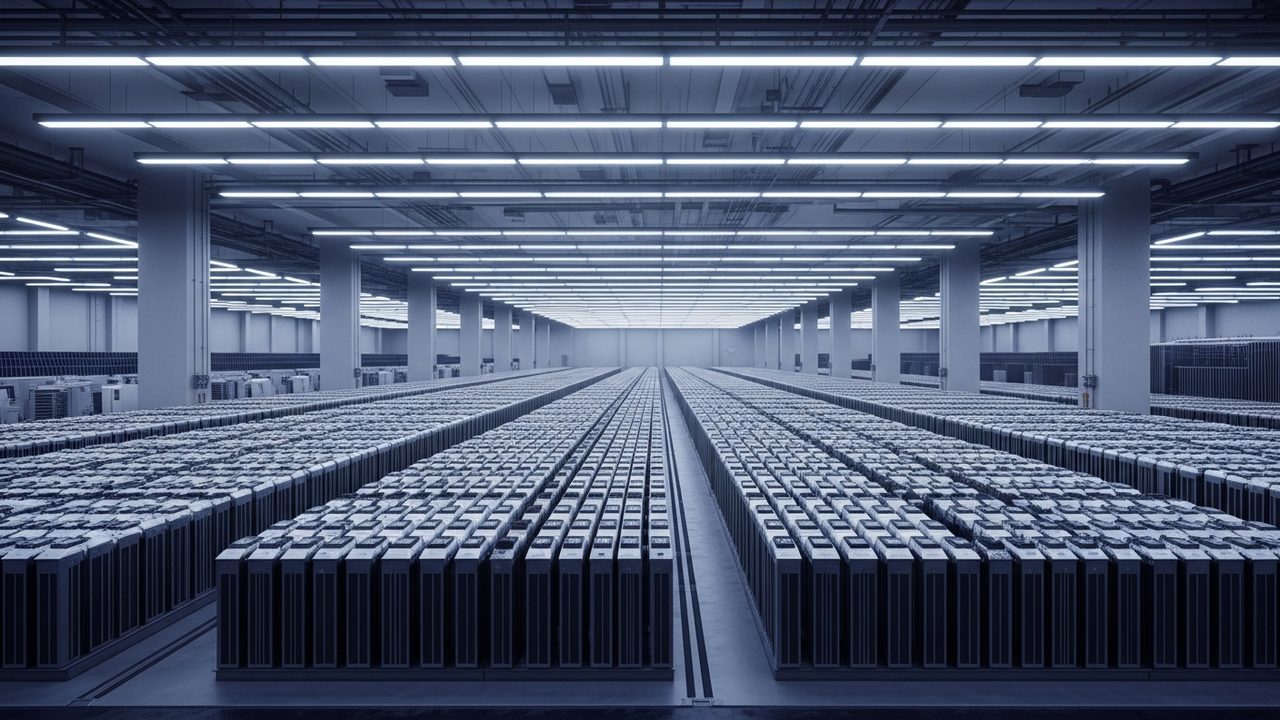
The United States has witnessed an unprecedented surge in utility-scale battery energy storage system (BESS) capacity, growing by an average of 70% annually over the last three years to reach 52 GW of operational capacity by mid-2026. This rapid expansion is set to continue, with developers planning to bring an additional 54 GW online by 2028, signifying a pivotal moment in the nation’s clean energy transition.
Technical and Deployment Details
Analysis from the U.S. Energy Information Administration (EIA) indicates that battery storage will account for approximately 24 GW, or 28%, of the 86 GW of new utility-scale generating capacity expected to be added in 2026. This aggressive deployment schedule includes 14 GW slated for the second half of 2026, followed by 26 GW in 2027, and another 14 GW in 2028, illustrating a clear market shift towards energy storage as an integral component of modern power infrastructure.
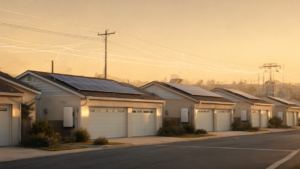
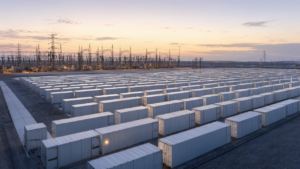
Solar power plants are notable for hosting the largest battery storage units. Recent activations include Arevon’s 300 MW/1,200 MWh Nighthawk project in California and Ørsted’s 250 MW Old 300 battery in Texas, both commencing commercial operation within the last two weeks. California, a leading state in renewable energy integration, confirmed its battery resources exceeded 21,112 MW in early August 2026, complemented by over 300,000 smaller distributed systems installed across homes, schools, farms, and businesses. This comprehensive deployment strategy enables the state to manage its clean energy influx more effectively.
Background and Industry Context
The accelerated growth in battery storage capacity is critical for optimizing the integration of intermittent renewable energy sources like solar and wind into the grid, thereby enhancing power supply stability and reliability. Energy storage systems play a crucial role in meeting peak demand, smoothing out renewable energy fluctuations, and bolstering grid resilience. U.S. energy policy actively supports investment and deployment in battery storage to hasten the transition to clean energy. This trend is expected to intensify as the costs of renewables continue to decline and their efficiency improves.
Future Outlook
Over the coming years, the U.S. battery storage market is projected for continued robust growth, fueled by technological innovation, cost reductions, and supportive regulatory frameworks. There is a growing emphasis on Long-Duration Energy Storage (LDES) solutions, which can provide power for extended periods, addressing multi-day weather gaps and seasonal supply-demand imbalances. This rapid expansion is not merely about increasing capacity; it represents a fundamental transformation in grid operation and energy market structures, paving the way for a more sustainable and resilient energy future.
Get our weekly technology intelligence — free
Receive an infographic that lets you judge at a glance whether each field’s analysis report is worth reading.
Subscribe Free — Weekly Tech Intelligence
By subscribing, you’ll receive Troy-Technical’s weekly technology intelligence newsletter.
- Your email and selected fields are used only to deliver the newsletter.
- We never share your information with third parties.
- You can unsubscribe anytime via the link in each email.
See our Privacy Policy for details.
Takes about a minute · Unsubscribe anytime