Key Findings
China’s hydrogen fuel cell vehicle (FCEV) market experienced significant year-on-year declines in July 2026, with production plummeting by 70.7% to just 67 units and sales dropping by 51.4% to 138 units. This sharp contraction suggests that the market is navigating a policy vacuum adjustment period following the conclusion of the initial demonstration city clusters. Despite this downturn, Dongfang Hydrogen Energy, a key player operating over 1,300 FCEVs, received a substantial capital injection from its parent company, interpreted as a strong positive signal for the accelerated capitalization of central government-backed hydrogen energy platforms.
Technical Details and Market Dynamics
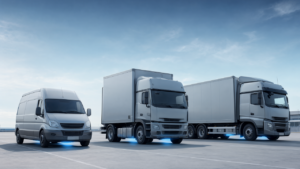
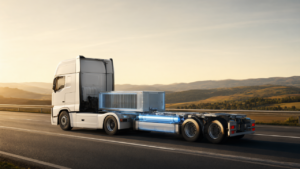
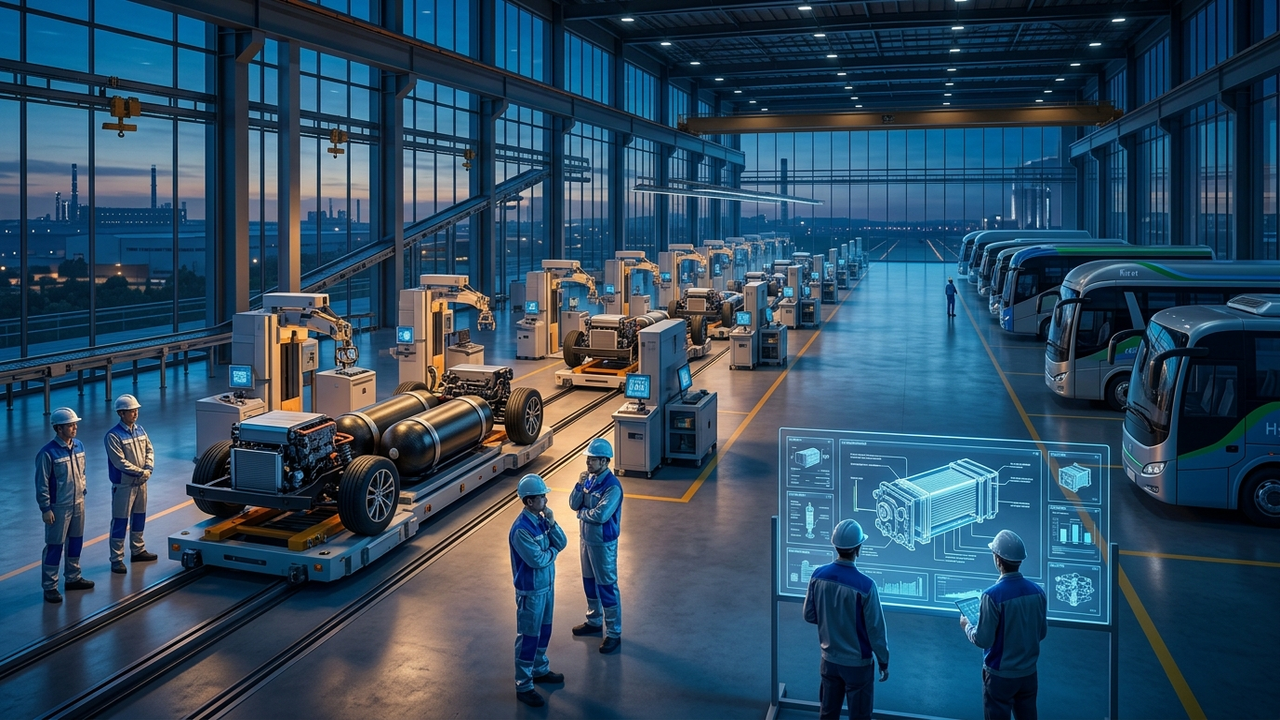
The FCEV market in China has historically focused on commercial vehicles, particularly buses and trucks, leveraging their suitability for heavy-duty and long-distance transport. The recent decline is largely attributed to the expiration of government subsidy policies and infrastructure development programs, creating a transitional phase where new supportive frameworks are yet to be fully established. Dongfang Hydrogen Energy’s capital infusion, however, underscores that state-owned enterprises continue to view the hydrogen energy sector as a strategic priority, signaling long-term commitment to technology development and market expansion. The company’s FCEVs are primarily deployed in logistics, public transport, and port operations, where their efficiency and reliability have been demonstrated.
Background and Industry Context
China has designated hydrogen energy as a critical strategic resource to achieve its carbon neutrality goals by 2060. FCEVs are expected to play a vital role as zero-emission transport solutions, especially in segments where battery electric vehicles (BEVs) face limitations. However, nurturing the FCEV market requires sustained policy support, robust hydrogen refueling infrastructure, and continued efforts to reduce vehicle costs. The current market slowdown highlights the complexities of building such a comprehensive ecosystem. While China leads in global renewable hydrogen production capacity, constituting approximately 53% of the world’s total, translating this production into end-use demand, particularly in the FCEV sector, still necessitates significant policy adjustments and market maturation.
Strategic Significance and Outlook
Following this short-term adjustment period, China’s hydrogen fuel cell vehicle market is likely to rebound, driven by new government policies and localized development plans. The capital injection into Dongfang Hydrogen Energy, from a central government-backed entity, reinforces the commitment to stabilize the industry and foster its long-term growth. Future growth hinges on enhancing cost competitiveness, comprehensively expanding hydrogen infrastructure, and optimizing the entire industrial chain. Researchers, engineers, and investors will need to closely monitor the next steps in China’s hydrogen strategy and their impact on the FCEV market, as the nation’s actions profoundly influence global clean transportation trends.
Get our weekly technology intelligence — free
Receive an infographic that lets you judge at a glance whether each field’s analysis report is worth reading.
Subscribe Free — Weekly Tech Intelligence
By subscribing, you’ll receive Troy-Technical’s weekly technology intelligence newsletter.
- Your email and selected fields are used only to deliver the newsletter.
- We never share your information with third parties.
- You can unsubscribe anytime via the link in each email.
See our Privacy Policy for details.
Takes about a minute · Unsubscribe anytime