Key Findings
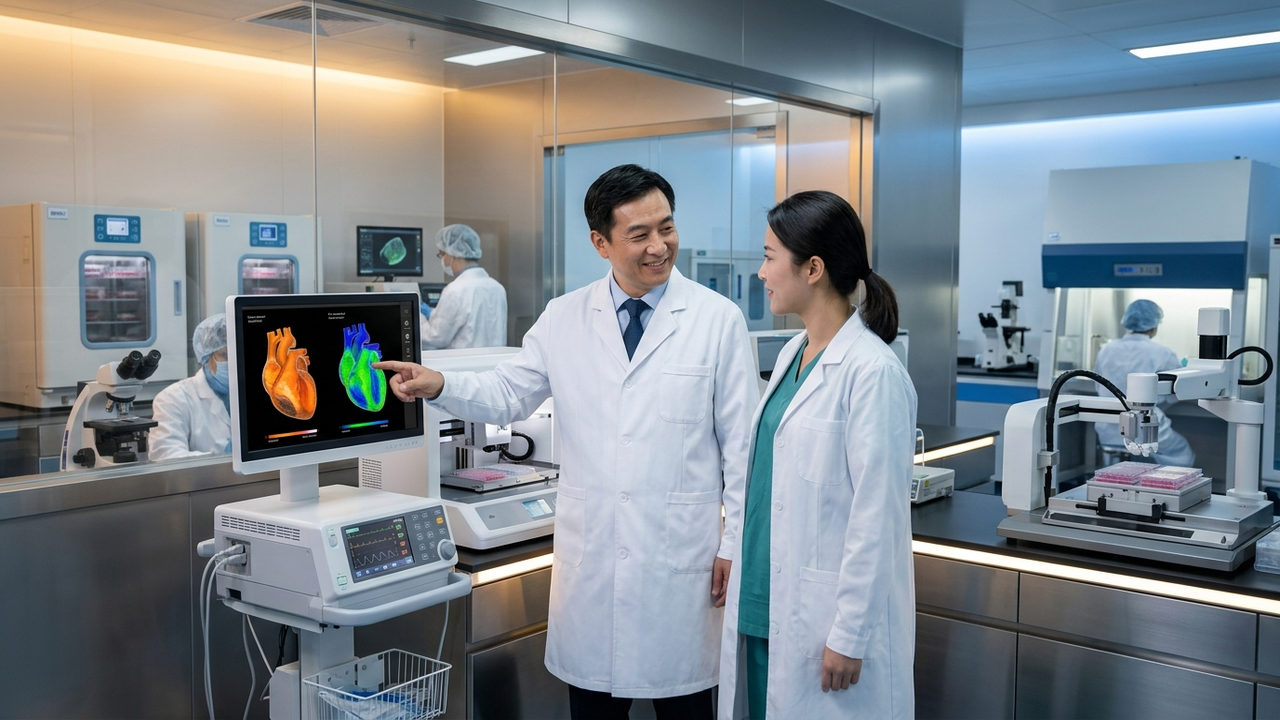
In a landmark Phase 2 clinical trial spearheaded by Nanjing Drum Tower Hospital in Nanjing, China, a remarkable 90% of heart failure patients who received injections of iPSC (induced pluripotent stem cell)-derived cardiomyocytes demonstrated significant improvements in cardiac function at the 12-month mark post-treatment. These astonishing results, published in the prestigious international scientific journal Nature Medicine, powerfully illustrate the potential of stem cell technology to effectively regenerate necrotic myocardial cells and fundamentally restore the function of aged or damaged hearts. This breakthrough significantly elevates the prospects for a new therapeutic paradigm in the management of progressive heart failure.
Technical / Clinical Details
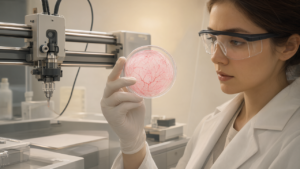
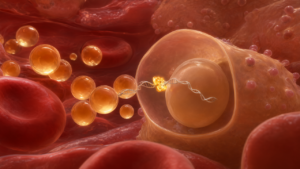
The clinical trial involved the direct injection of iPSC-derived cardiomyocytes, cultured under stringent quality control, into the hearts of patients suffering from severe heart failure. The objective was for these transplanted cells to engraft within the damaged cardiac tissue and mature into functional cardiomyocytes, thereby restoring the heart’s lost pumping capacity. Over the 12-month follow-up period, patients in the treatment arm showed statistically significant and clinically meaningful improvements in cardiac function indicators, such as left ventricular ejection fraction (LVEF), compared to the control group. The safety profile was also reported to be acceptable, with a low incidence of severe adverse events. This technology leverages the limitless proliferative and differentiation capabilities of iPSCs, potentially overcoming the challenge of donor cell scarcity.
Background & Context
Heart failure stands as a major public health challenge globally, affecting millions and associated with high morbidity and mortality rates. For patients with end-stage heart failure, effective treatment options are limited primarily to heart transplantation, underscoring the urgent need for novel therapies. Since its discovery in 2006, iPSC technology has been regarded as one of the most promising advancements in regenerative medicine, driving worldwide research efforts to repair damaged organs and restore function. China has rapidly advanced in stem cell research and the clinical application of regenerative medicine in recent years, and this publication in Nature Medicine signifies international recognition of China’s scientific and clinical contributions.
Strategic Significance & Outlook
This study by Nanjing Drum Tower Hospital marks a pivotal step, demonstrating that iPSC-derived cardiomyocyte therapy for heart failure is clinically feasible and potentially highly effective. This success is expected to lead to larger-scale Phase 3 clinical trials, with the ultimate goal of securing regulatory approval. If widely adopted, this therapy could dramatically improve the prognosis and quality of life for countless heart failure patients. However, challenges such as immunogenicity, long-term engraftment and functional maintenance of cells, and manufacturing costs and scalability remain. Further research and technological development addressing these issues will be crucial. The continued development of China’s regenerative medicine sector and international collaboration will be key to accelerating the realization of this groundbreaking therapy.
Get our weekly technology intelligence — free
Receive an infographic that lets you judge at a glance whether each field’s analysis report is worth reading.
Subscribe Free — Weekly Tech Intelligence
By subscribing, you’ll receive Troy-Technical’s weekly technology intelligence newsletter.
- Your email and selected fields are used only to deliver the newsletter.
- We never share your information with third parties.
- You can unsubscribe anytime via the link in each email.
See our Privacy Policy for details.
Takes about a minute · Unsubscribe anytime