Key Findings
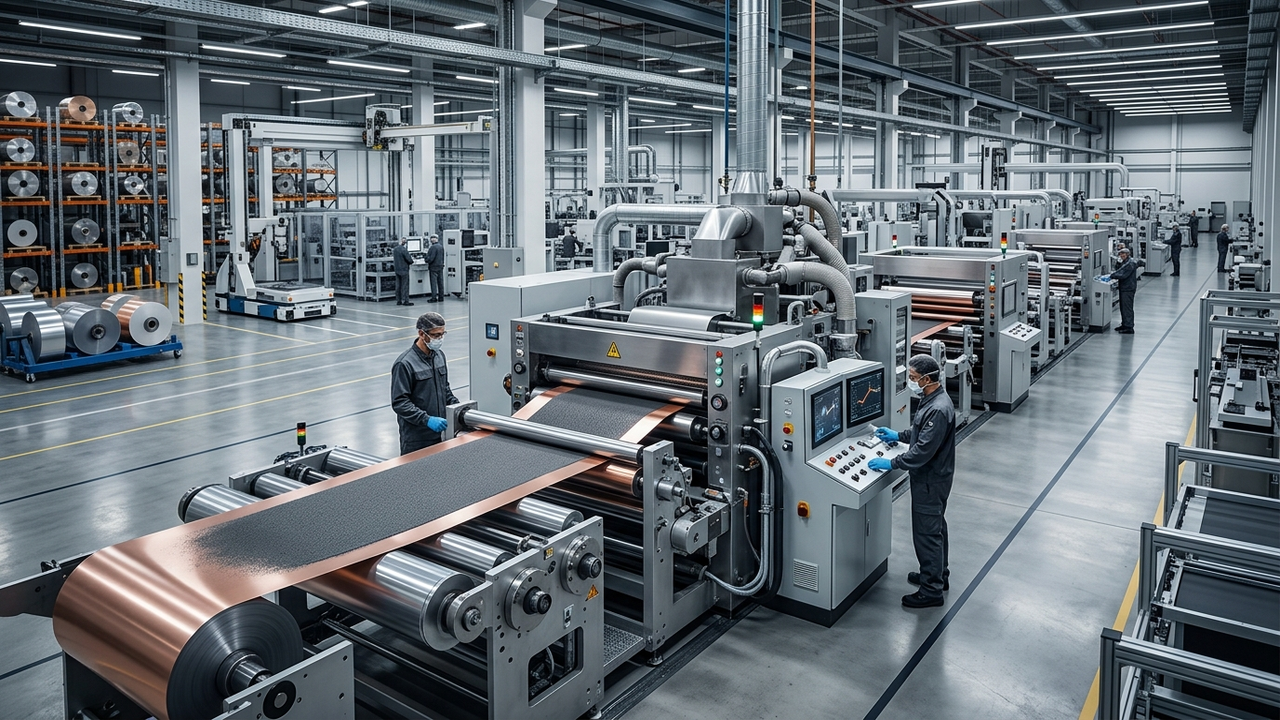
Dry electrode coating technology is emerging as a critical innovation with the potential to significantly reduce manufacturing costs for lithium-ion batteries. This method eliminates the energy-intensive solvent evaporation step inherent in traditional wet processes, thereby dramatically cutting power consumption in battery factories and delivering substantial economic benefits, particularly at gigafactory scales.
Technical Details
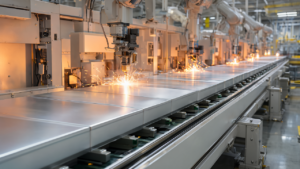
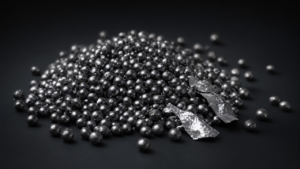
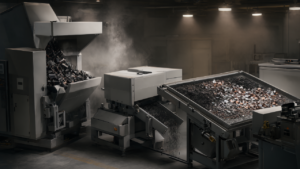
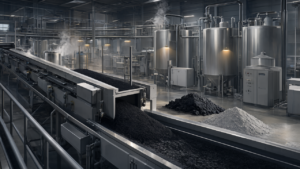
- **Mechanism of Dry Electrode Coating**: Conventional wet electrode manufacturing involves creating a slurry by mixing active materials and binders with solvents, coating it onto current collectors, and then evaporating the solvents at high temperatures. In contrast, dry coating involves mixing active materials with dry binder powders and forming them directly onto current collectors using mechanical compression or adhesion techniques, circumventing the need for solvents and their evaporation.
- **Cost Reduction Potential**: By eliminating the need to purchase, recover, and process solvents, as well as the immense thermal energy required for solvent evaporation, manufacturing costs can be significantly reduced. Estimates suggest potential cost savings of 10-20% at gigafactory scale, alongside a reduced equipment footprint.
- **Potential Performance Improvements**: The dry process may offer more precise control over electrode porosity and density, potentially leading to improvements in battery energy density and cycle life.
- **Challenges and Current Status**: While pioneers like Tesla are integrating this technology, challenges remain in scaling up for full commercial production, particularly concerning electrode uniformity, mechanical strength, and stability in large-scale manufacturing. High-efficiency dry mixing techniques and binders compatible with diverse active materials are critical areas for further development.
Background and Industry Context
The rapid expansion of the electric vehicle (EV) market and the growing demand for stationary energy storage systems have led to an exponential increase in lithium-ion battery production. However, the high manufacturing costs, particularly energy consumption and environmental impact, pose significant challenges. Dry electrode coating technology is seen as a crucial breakthrough to address these issues, promising more sustainable and economical battery production. Cost reduction in battery manufacturing is essential for lowering EV prices and accelerating the adoption of renewable energy.
Strategic Significance and Outlook
Dry electrode technology has the potential to revolutionize lithium-ion battery manufacturing. Over the coming years, further commercialization is expected, with more battery manufacturers likely to consider its adoption. Once technical barriers are overcome and stability in large-scale production is established, battery manufacturing costs could dramatically decrease, leading to widespread impacts across the energy storage industry. This technology is likely to become a key differentiator in the competitive landscape of next-generation battery development.
Get our weekly technology intelligence — free
Receive an infographic that lets you judge at a glance whether each field’s analysis report is worth reading.
Subscribe Free — Weekly Tech Intelligence
By subscribing, you’ll receive Troy-Technical’s weekly technology intelligence newsletter.
- Your email and selected fields are used only to deliver the newsletter.
- We never share your information with third parties.
- You can unsubscribe anytime via the link in each email.
See our Privacy Policy for details.
Takes about a minute · Unsubscribe anytime