Background
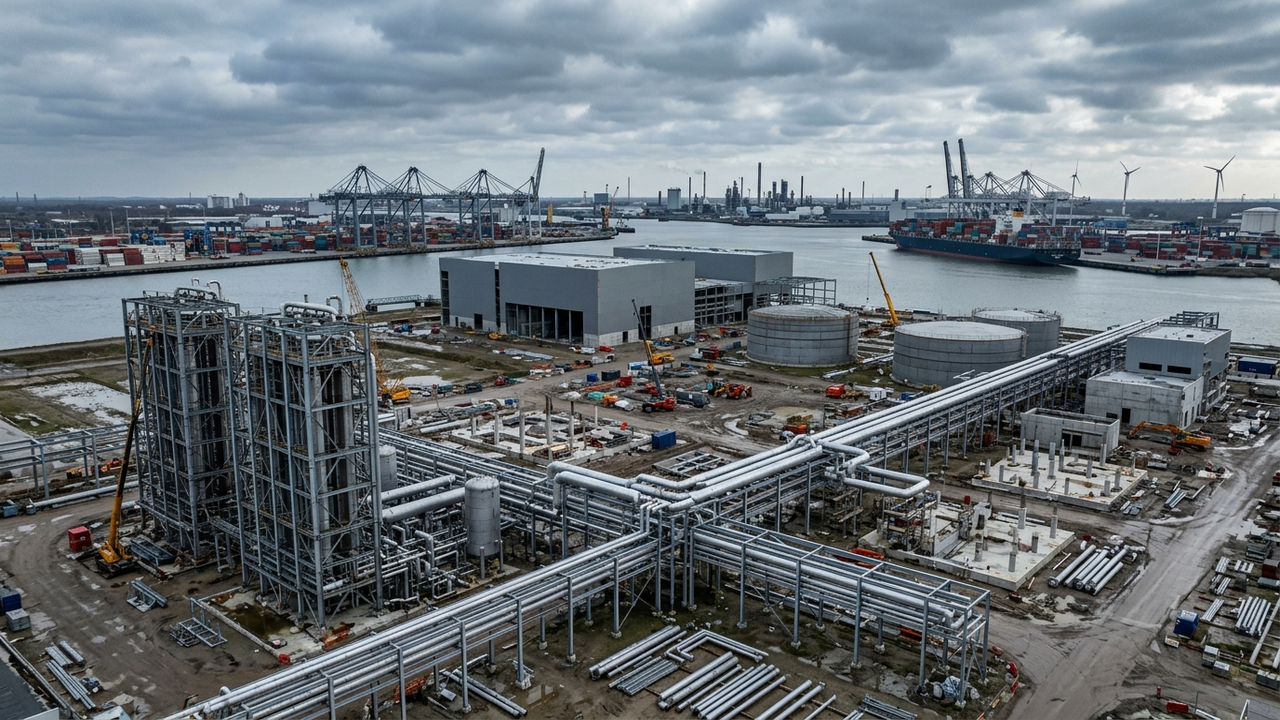
Plug Power had embarked on an ambitious plan to construct a 100-megawatt (MW) green hydrogen production facility at the Port of Antwerp-Bruges. This project was designed to integrate within the high-throughput industrial environment of the port, leveraging renewable electricity to produce clean hydrogen. The anticipated output was intended to supply local industrial processes, fuel hydrogen-powered trucks, and potentially serve maritime applications, significantly contributing to the region’s decarbonization objectives. This initiative was part of Plug Power’s broader strategy to aggressively expand its footprint across the entire hydrogen value chain, encompassing electrolyzer manufacturing and hydrogen production globally. The company’s growth plans, particularly its U.S. projects, were significantly buttressed by the prospect of a substantial $1.66 billion loan guarantee from the U.S. Department of Energy (DOE), intended to advance multiple Plug Power initiatives.
Key Findings
Plug Power has reportedly abandoned its landmark 100-MW green hydrogen plant project in Antwerp. This pivotal decision stems from a confluence of factors: mounting financial uncertainties, slower-than-anticipated market development for green hydrogen, and, critically, the recent withdrawal of the aforementioned $1.66 billion DOE loan guarantee. The economic and technical hurdles for large-scale local green hydrogen production in Belgium proved formidable, primarily due to the limited availability of affordable renewable electricity. Indeed, the Port of Antwerp-Bruges itself acknowledged these difficulties, signaling that hydrogen imports present a more logical and economically viable option for the country, a stance that likely undermined the project’s foundational business case. This cancellation arrives at a critical juncture for both Plug Power, forcing a re-evaluation of its global capital allocation, and the broader European hydrogen economy, which continues to grapple with high initial investment costs, regulatory complexities, and slower demand uptake. The incident underscores the pressing need for robust policy support, clear market signals, and reliable financing mechanisms to de-risk and enable successful execution of large-scale hydrogen initiatives in a nascent market. Looking forward, Plug Power is expected to prioritize projects with clearer economic pathways and stronger governmental backing, while Europe may accelerate its shift towards a diversified hydrogen supply strategy, increasingly emphasizing imports from regions with more abundant and cost-effective renewable energy resources to meet its decarbonization mandates.
Get our weekly technology intelligence — free
Receive an infographic that lets you judge at a glance whether each field’s analysis report is worth reading.
Subscribe Free — Weekly Tech Intelligence
By subscribing, you’ll receive Troy-Technical’s weekly technology intelligence newsletter.
- Your email and selected fields are used only to deliver the newsletter.
- We never share your information with third parties.
- You can unsubscribe anytime via the link in each email.
See our Privacy Policy for details.
Takes about a minute · Unsubscribe anytime