Key Findings
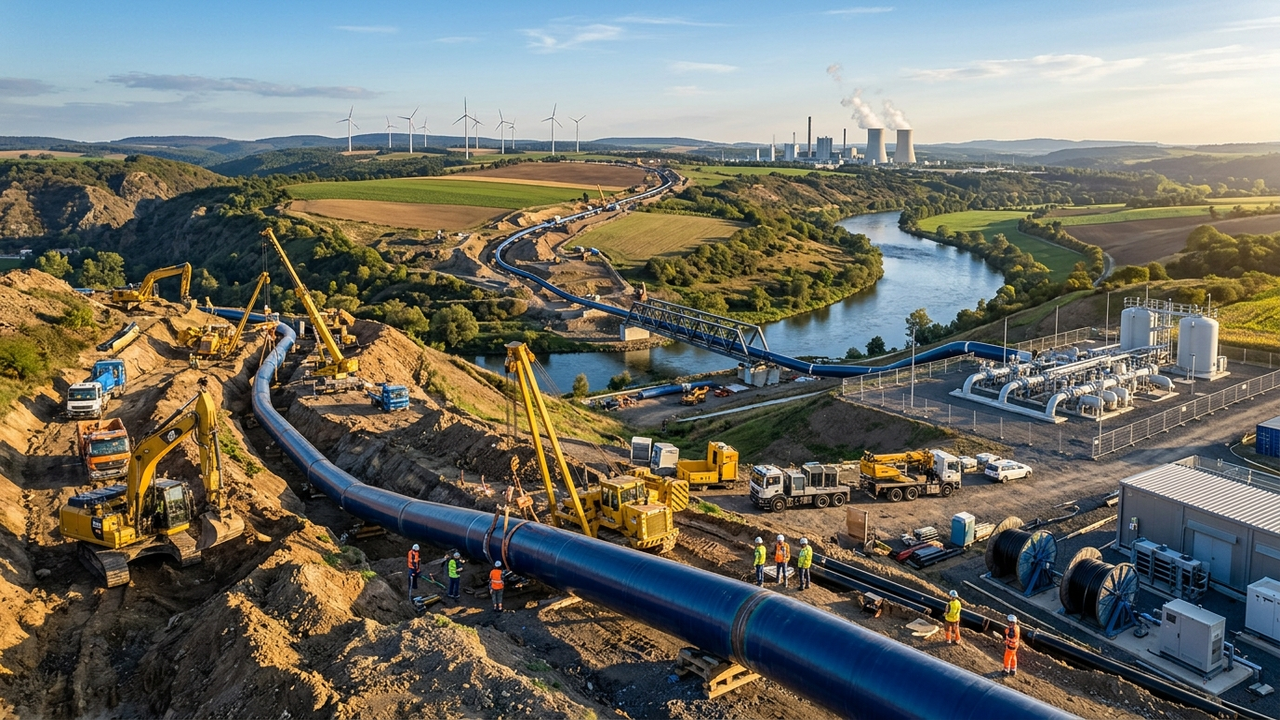
A recent analysis by S&P Global has highlighted that the European Union’s extensive hydrogen pipeline network construction plans are facing practical challenges. Contrary to initial optimistic forecasts, technical complexities, substantial investment requirements, and the need for regulatory harmonization across multiple nations are decelerating project progress.
Technical Details
- Europe’s hydrogen pipeline strategy primarily involves a combination of repurposing existing natural gas pipelines for hydrogen transport and strategically constructing new ones. However, ongoing detailed assessments of existing pipelines’ material compatibility, pressure tolerance, and leakage risks indicate that significant retrofitting will be required for certain sections.
- Hydrogen molecules are smaller than natural gas, leading to a higher risk of leakage during transport, and can cause embrittlement in specific metals. Thus, highly specialized technical expertise and substantial modification work are indispensable for repurposing.
- New pipeline construction entails complex processes, including land acquisition, environmental impact assessments, and permit approvals, all of which extend project timelines.
Background & Industry Context
Europe has positioned green hydrogen as a primary energy carrier to achieve its decarbonization goals, planning extensive infrastructure to efficiently supply hydrogen from decentralized production sites to consumption hubs. The European Hydrogen Backbone (EHB) initiative, in particular, focuses on transporting hydrogen from renewable-rich regions like Spain and Portugal to industrial clusters in Central Europe.
However, as the scale of the plan has grown, the required investment has become enormous, and differences in national energy policies and economic conditions have complicated coordination. Also, beyond technical hurdles, achieving multinational consensus and establishing viable financing mechanisms also pose significant obstacles.
Strategic Significance & Outlook
This “reality check” offers an opportunity for European policymakers and industry to re-evaluate their hydrogen infrastructure deployment strategies. More incremental and flexible approaches might be considered, such as starting with smaller “hydrogen valleys” within specific regions or industrial clusters, and optimizing the balance between repurposing existing infrastructure and new construction. For the long-term success of the hydrogen economy, it is essential to address these challenges pragmatically and establish sustainable infrastructure investment models. This trend will prompt companies considering investment in the hydrogen energy sector to conduct more detailed risk assessments and strategic planning.
Get our weekly technology intelligence — free
Receive an infographic that lets you judge at a glance whether each field’s analysis report is worth reading.
Subscribe Free — Weekly Tech Intelligence
By subscribing, you’ll receive Troy-Technical’s weekly technology intelligence newsletter.
- Your email and selected fields are used only to deliver the newsletter.
- We never share your information with third parties.
- You can unsubscribe anytime via the link in each email.
See our Privacy Policy for details.
Takes about a minute · Unsubscribe anytime








Comments