Key Findings
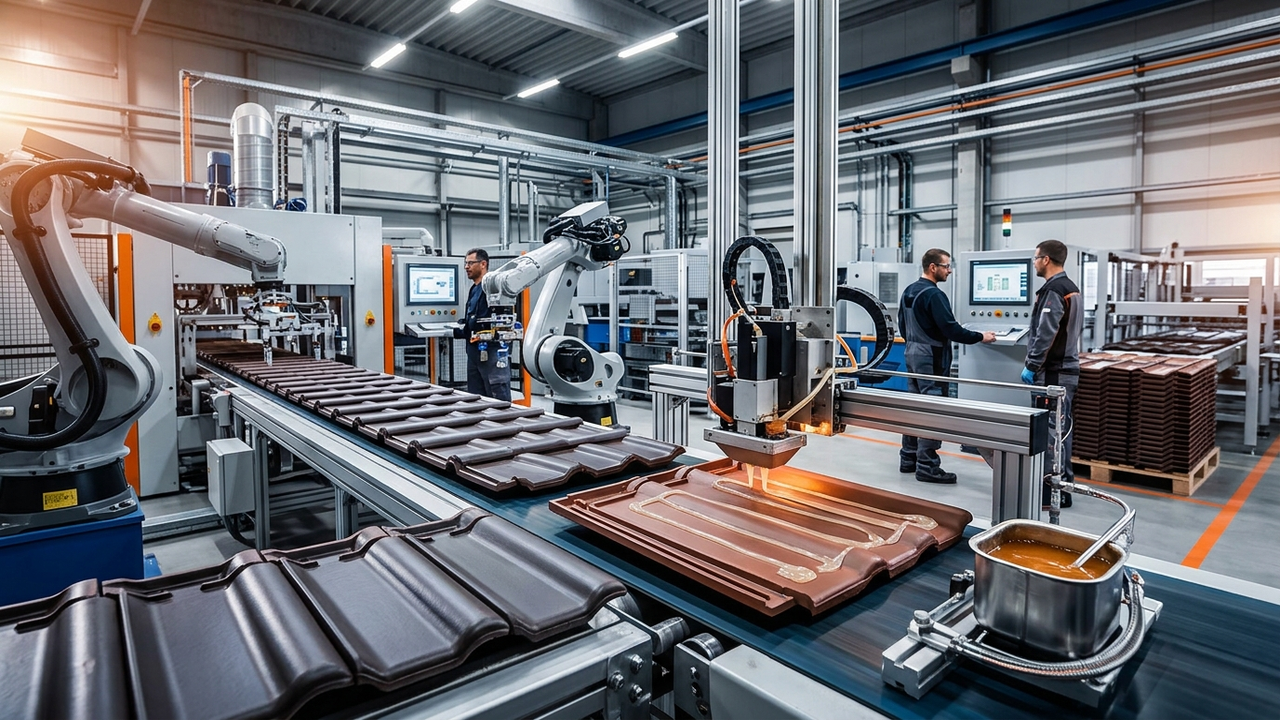
Henkel has introduced Technomelt AS 4004, a novel polypropylene-based hot-melt adhesive specifically formulated to prevent transport damage to roof tiles. This innovative solution offers significant advantages in terms of processing efficiency and cost reduction for the roof tile manufacturing industry.
Technical / Clinical Details
Technomelt AS 4004 is distinguished by its significantly lower processing temperature compared to older polyamide-based spacer adhesives. This attribute directly translates into reduced energy consumption and lower maintenance costs within palletizing lines. The adhesive functions by directly protecting the tile surfaces during stacking, thereby eliminating the need for manual insertion of separator materials, a common practice in the past. After curing, the adhesive can be easily removed at the destination without leaving residues, ensuring the pristine condition of the tiles. This technology improves both product quality and accelerates the automation of production lines.
Background & Context
Historically, the transportation of roof tiles has been plagued by risks of product damage due to vibrations and impacts, necessitating labor-intensive manual processes or additional buffering materials. These methods contributed to increased production costs and inefficiencies in logistics. As a global leader in adhesives and sealing solutions, Henkel has focused on developing high-performance, energy-efficient solutions to address these critical industry challenges. Technomelt AS 4004 emerges from this strategic focus, offering a sustainable and efficient solution to existing market needs.
Strategic Significance & Outlook
The implementation of Technomelt AS 4004 holds potential applications beyond roof tiles, extending to other building materials and delicate products requiring secure transport. The reduction in processing temperature is a vital factor in mitigating operational costs, especially in the context of rising energy prices. Henkel aims to support its customers in achieving their environmental sustainability goals and to enhance overall supply chain efficiency and sustainability through this product. Future research and development are anticipated to further optimize its environmental performance and debonding characteristics, potentially setting new standards in material handling and protection.
Get our weekly technology intelligence — free
Receive an infographic that lets you judge at a glance whether each field’s analysis report is worth reading.
Subscribe Free — Weekly Tech Intelligence
By subscribing, you’ll receive Troy-Technical’s weekly technology intelligence newsletter.
- Your email and selected fields are used only to deliver the newsletter.
- We never share your information with third parties.
- You can unsubscribe anytime via the link in each email.
See our Privacy Policy for details.
Takes about a minute · Unsubscribe anytime








Comments