
Key Findings
MEDICA 2026, through its upcoming “Wearable Technologies Conference Europe,” is set to comprehensively showcase the future of wearable technology in healthcare. This leading international event will feature groundbreaking advancements ranging from the evolution of digital biomarkers to sophisticated artificial intelligence (AI)-supported remote patient monitoring systems. A particular focus will be placed on smart patches and novel biosensor technologies, illustrating how these wearable devices are fundamentally transforming diagnostic processes, disease prevention strategies, therapeutic interventions, and the delivery of personalized medicine.
Technical / Clinical Details
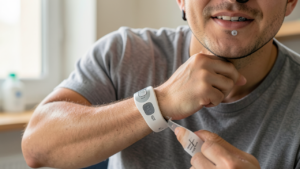
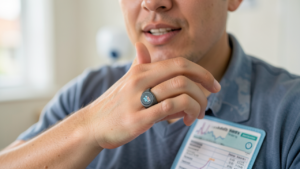
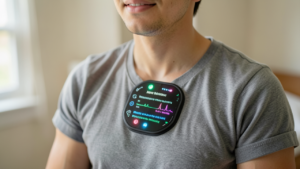
The conference will delve into various types of wearable devices and their applications. This includes smartwatches and fitness trackers that measure continuous glucose, heart rate, blood oxygen saturation, sleep patterns, and physical activity. Furthermore, adhesive smart patches applied to the skin are demonstrating enhanced capabilities for non-invasive analysis of biomarkers in sweat, such such as electrolytes, lactate, metabolites, and even specific drug concentrations. The data generated by these sensors is processed and analyzed in real-time by AI algorithms to predict abnormal patterns, disease risk, and treatment response. For instance, AI can detect early signs of arrhythmias from electrocardiogram (ECG) data or predict exacerbations of chronic conditions from trends in inflammatory markers obtained from sensor patches.
Background & Context
Healthcare systems worldwide are grappling with challenges such as rising chronic disease prevalence, an aging global population, and escalating healthcare costs, necessitating more efficient and preventive approaches. Wearable technology has emerged as a promising solution to these challenges, empowering patients to proactively manage their health and enabling healthcare providers to remotely monitor patient conditions. Over the past few years, significant progress has been made in sensor accuracy, battery life, data security, and user-friendliness of interfaces. Events like MEDICA serve as crucial platforms for researchers, developers, clinicians, and industry stakeholders to share these innovations, foster collaborations, and drive the field forward.
Strategic Significance & Outlook
The discussions at MEDICA 2026 reaffirm that wearable technologies will be an indispensable component of future healthcare. By combining digital biomarkers with AI, new possibilities emerge for ultra-early disease detection, optimized personalized treatment plans, and improved precision in preventive interventions. In the future, these technologies are expected to shift healthcare delivery from hospitals to homes, providing continuous support to patients across all stages of prevention, diagnosis, treatment, and rehabilitation. This will contribute significantly to enhancing patient quality of life and improving the sustainability of healthcare systems. Regulatory bodies are also increasingly streamlining the approval process for these technologies, which could accelerate their market penetration and impact.
Get our weekly technology intelligence — free
Receive an infographic that lets you judge at a glance whether each field’s analysis report is worth reading.
Subscribe Free — Weekly Tech Intelligence
By subscribing, you’ll receive Troy-Technical’s weekly technology intelligence newsletter.
- Your email and selected fields are used only to deliver the newsletter.
- We never share your information with third parties.
- You can unsubscribe anytime via the link in each email.
See our Privacy Policy for details.
Takes about a minute · Unsubscribe anytime






Comments