Key Findings
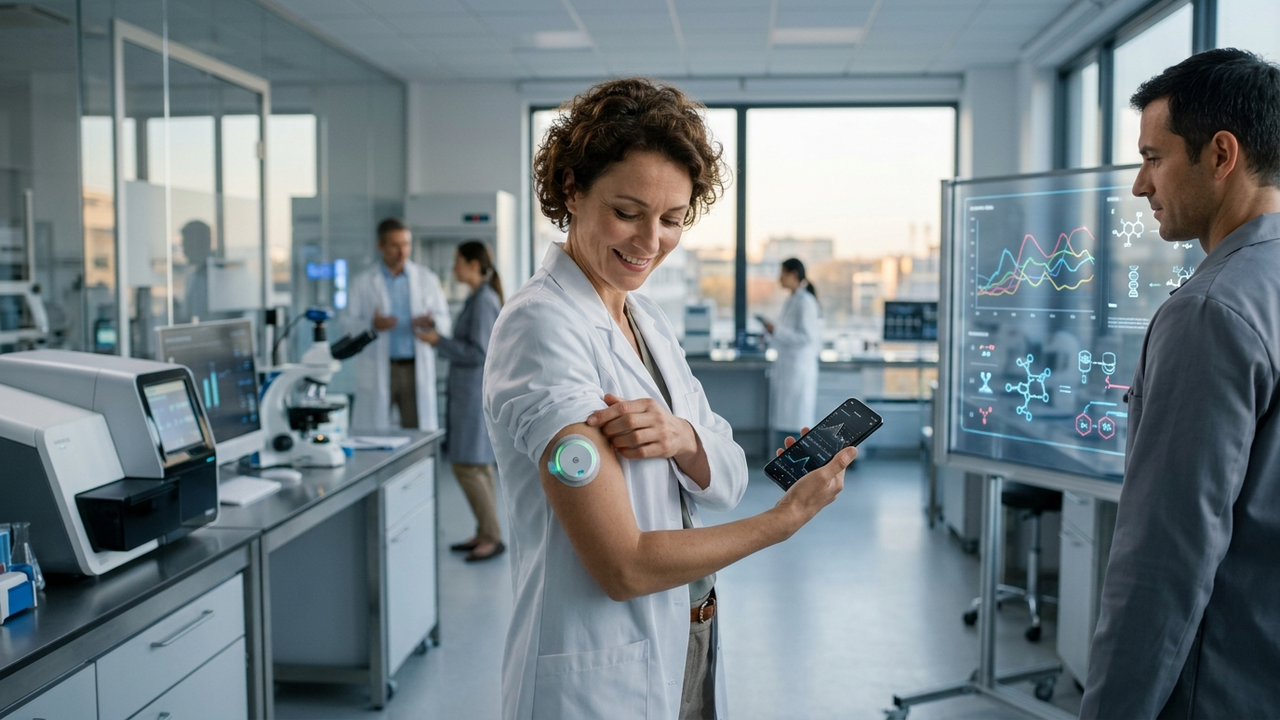
On August 26, 2026, technology news site TechRadar lauded and extensively reported on the U.S. Food and Drug Administration’s (FDA) authorization of Abbott’s Libre Duo 10 Day system as a ‘breakthrough in diabetes care.’ This system stands as the world’s first dual-sensor Continuous Glucose Monitoring (CGM) device capable of simultaneously and in real-time monitoring both blood glucose and ketone levels. Its primary objective is the prevention of diabetic ketoacidosis (DKA), a severe complication, by offering patients unprecedented comprehensive physiological information.
Technical and Clinical Details
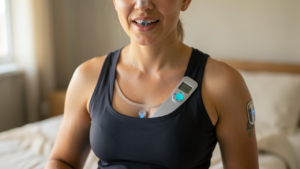
The Libre Duo 10 Day is a small, discreet sensor worn on the patient’s arm, functioning continuously for 10 days. The TechRadar article emphasizes that this device provides minute-by-minute glucose updates, concurrently measures ketone levels, and automatically issues alerts when an upward trend in ketones is detected. This immediacy and dual-monitoring capability are crucially important for patients, particularly those with Type 1 diabetes or on insulin therapy, to gain a deeper understanding of their metabolic state and to identify early signs of DKA. DKA occurs when insulin deficiency leads to the breakdown of body fat and an excessive accumulation of acidic substances (ketone bodies), which can be life-threatening if not addressed promptly. Clinical trials have demonstrated over 90% efficacy of this dual sensor in early identification of DKA risk, suggesting a significant reduction in patient emergency hospitalization rates.
Background and Industry Context
Prior Continuous Glucose Monitoring (CGM) technologies were excellent for tracking glucose trends, but monitoring ketones, a key risk factor for diabetic ketoacidosis (DKA), relied on separate, manual measurements like finger-prick tests or urine strips. This meant patients often missed early DKA signs, leading to severe complications when detection was delayed. Abbott’s Libre Duo 10 Day addresses this unmet clinical need, revolutionizing diabetes care. As part of the broader transformation that wearable technology brings to the healthcare sector, this device enhances patient self-management and elevates preventive medicine to the next level, aligning with global efforts to empower individuals in their health journeys.
Strategic Significance and Outlook
TechRadar views this FDA authorization as not only dramatically improving the quality of life for diabetes patients but also serving as a powerful tool for healthcare professionals to gain a more comprehensive understanding of their patients’ health status. The U.S. launch is scheduled for late 2026, which is expected to further solidify Abbott’s leadership in the CGM market. Furthermore, this dual-sensing technology holds promise for future applications in continuous monitoring of composite biomarkers for other chronic diseases (e.g., cardiovascular disease, kidney disease). Investors are closely watching the market transformative potential of this technology and its impact on the advancement of telemedicine and personalized medicine.
Get our weekly technology intelligence — free
Receive an infographic that lets you judge at a glance whether each field’s analysis report is worth reading.
Subscribe Free — Weekly Tech Intelligence
By subscribing, you’ll receive Troy-Technical’s weekly technology intelligence newsletter.
- Your email and selected fields are used only to deliver the newsletter.
- We never share your information with third parties.
- You can unsubscribe anytime via the link in each email.
See our Privacy Policy for details.
Takes about a minute · Unsubscribe anytime



Comments