Key Findings
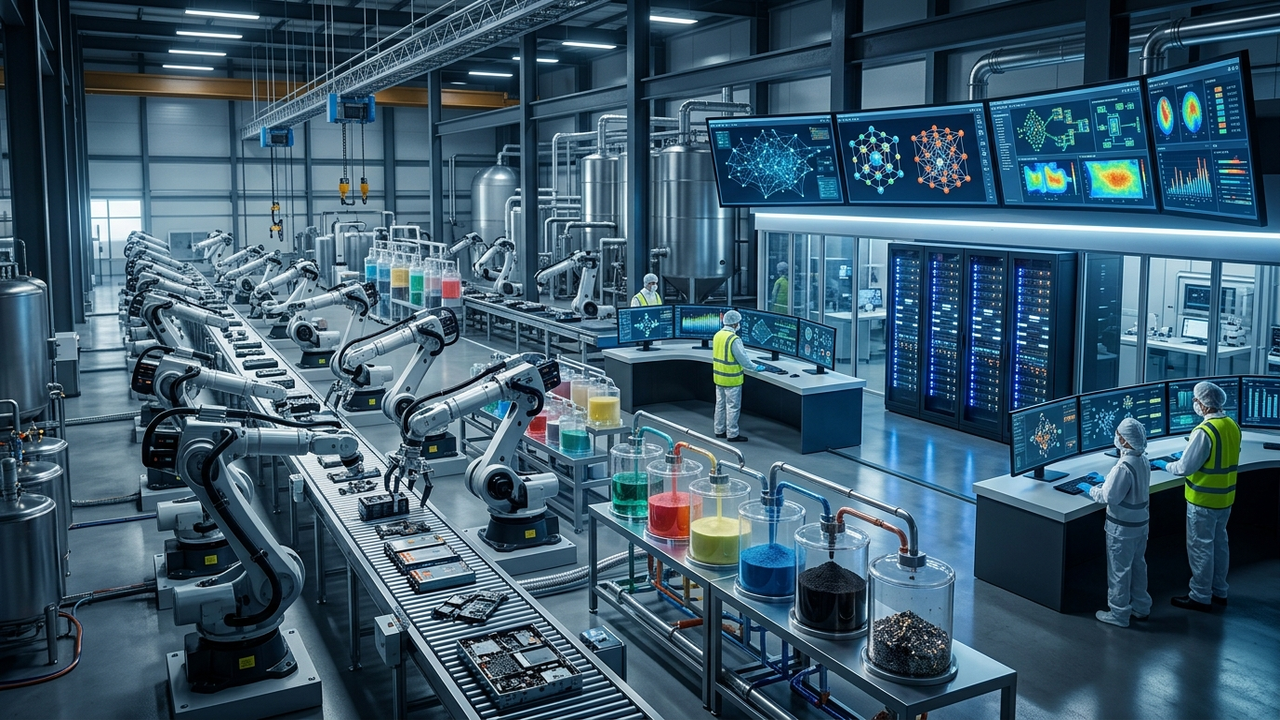
The U.S. Department of Energy (DOE) is conducting a pioneering project at the SLAC National Accelerator Laboratory, led by Stanford University, utilizing an AI agent team. This project aims to identify new and efficient methods for recovering critical minerals, such as nickel and cobalt, from spent lithium-ion batteries. This initiative clearly demonstrates the significant role AI can play in optimizing experimental processes and streamlining resource recovery.
Technical / Clinical Details
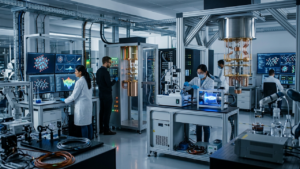
This project is part of the broader ‘Genesis Mission,’ which integrates AI, supercomputers, advanced experimental facilities, and specialized datasets. The AI agent team analyzes complex data patterns derived from the lithium-ion battery recycling process to identify the most effective mineral recovery pathways. Specifically, AI evaluates diverse factors ranging from the analysis of battery components to the selection of appropriate solvents and the optimization of separation process conditions. Supercomputers enable large-scale simulations and data analysis, enhancing the AI models’ learning and predictive capabilities. This integrated scientific platform facilitates rapid learning from experimental results and an iterative improvement cycle to maximize recovery efficiency. Ultimately, the goal is to improve the recovery rates of high-value minerals like nickel, cobalt, and lithium, thereby enhancing the economic viability and environmental sustainability of the recycling process.
Background & Context
With the widespread adoption of lithium-ion batteries, the recovery of critical minerals from spent batteries has become an urgent global challenge from the perspective of building sustainable supply chains and ensuring resource security. Nickel and cobalt, in particular, are scarce metals essential for electric vehicle (EV) batteries, and their supply is often subject to geopolitical risks. Current recycling processes face challenges such as high energy consumption and insufficient recovery efficiency. By combining AI with high-performance computing, it is expected that these challenges can be overcome, leading to the development of more environmentally friendly and economically viable recycling technologies. The DOE’s ‘Genesis Mission’ strengthens U.S. leadership in such strategically important fields.
Strategic Significance & Outlook
The success of this project at SLAC National Accelerator Laboratory holds the potential to revolutionize battery recycling technology. The ability of AI to autonomously optimize experimental processes is applicable to other areas of materials science and chemical engineering, inspiring new industrial innovations. Recovered critical minerals will be reused in the manufacturing of new batteries, contributing to the promotion of a circular economy. In the long term, this integrated scientific platform is expected to be applied to material design and recycling for other rare metals and renewable energy technologies, significantly contributing to the establishment of a sustainable society in the U.S. and globally. This project will serve as a model for how AI and science can collaborate to solve complex global challenges.
Source: https://govciomedia.com/what-battery-recycling-could-tell-us-about-ais-role-in-experimentation/
Get our weekly technology intelligence — free
Receive an infographic that lets you judge at a glance whether each field’s analysis report is worth reading.
Subscribe Free — Weekly Tech Intelligence
By subscribing, you’ll receive Troy-Technical’s weekly technology intelligence newsletter.
- Your email and selected fields are used only to deliver the newsletter.
- We never share your information with third parties.
- You can unsubscribe anytime via the link in each email.
See our Privacy Policy for details.
Takes about a minute · Unsubscribe anytime




Comments