Background
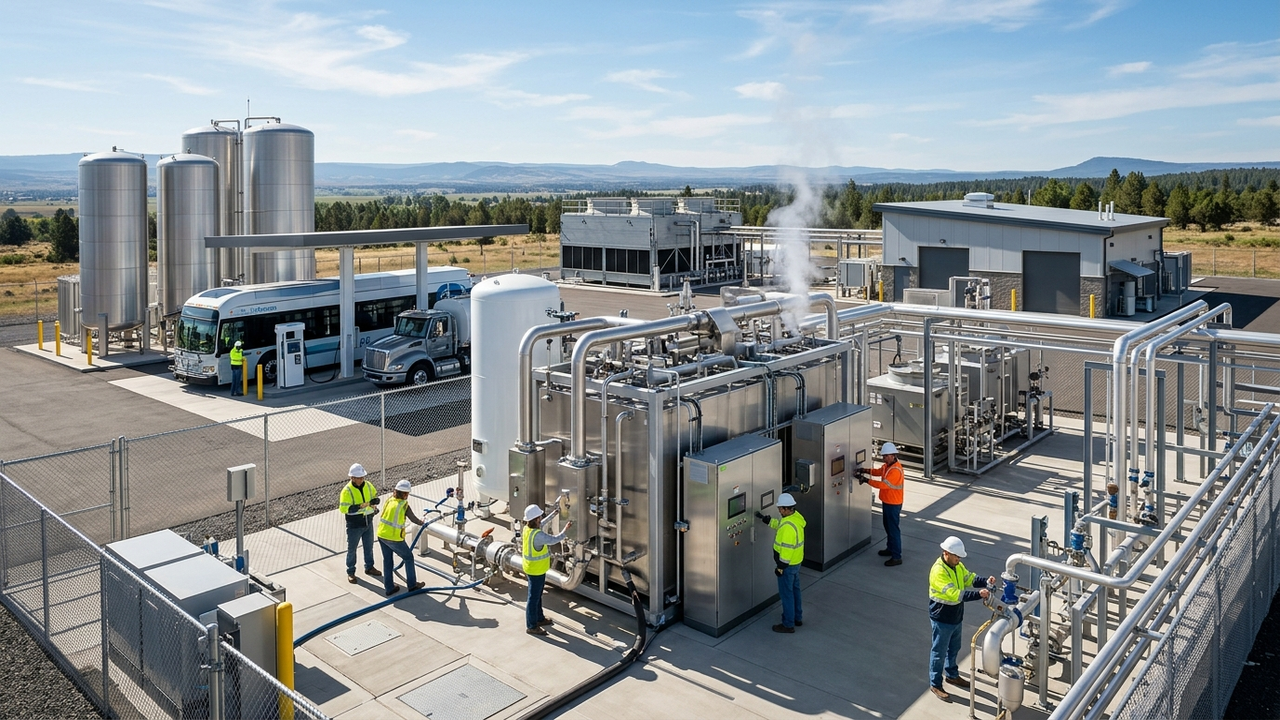
The U.S. initiated its ambitious $8 billion Regional Hydrogen Hubs program through the Infrastructure Investment and Jobs Act (IIJA), aiming to establish multiple, strategically located hubs nationwide. This foundational effort underscores the U.S. government’s conviction that clean hydrogen is a ‘game-changer for economy-wide decarbonization.’ Beyond direct DOE investments, policies such as the Treasury Department’s 45V Clean Hydrogen Production Tax Credit are actively promoting the nascent hydrogen economy through robust public-private partnerships. These comprehensive policy frameworks are designed to cultivate a globally competitive U.S. hydrogen industry.
Key Findings
The U.S. Department of Energy (DOE) has now announced a substantial allocation of additional funding to several of these regional hydrogen hubs. This financial injection is specifically targeted at accelerating the development of a nationwide clean hydrogen network and reinforces the government’s aggressive ‘Hydrogen Shot’ goal—to slash the cost of clean hydrogen by 80% to $1 per kilogram within a decade.
Crucially, this investment is intended to mitigate the high initial capital costs often faced by such large-scale projects, thereby accelerating Final Investment Decisions (FIDs) for the hubs. The overarching objectives include fostering domestic innovation, creating new manufacturing jobs, and expediting the decarbonization of major industrial sectors like steel, chemicals, and transportation.
The supplementary funding will primarily back the demonstration and commercialization of diverse low-carbon hydrogen production technologies. This encompasses green hydrogen (produced from renewable energy sources), blue hydrogen (derived from natural gas coupled with carbon capture and storage), and nuclear-derived hydrogen. Key technical focus areas include the scaling of advanced electrolyzer technologies, development of critical pipeline and storage infrastructure, advancements in fuel cell technologies, and the strategic concentration of hydrogen-utilizing industries within these hubs.
Each regional hydrogen hub is meticulously designed to leverage specific regional resources and address localized demands. For instance, the Southeast hub might capitalize on nuclear power and existing industrial infrastructure, while Western hubs are positioned to maximize abundant solar and wind resources. This tailored approach aims to cultivate regionally optimized hydrogen ecosystems and efficient, localized supply chains.
With this amplified funding, U.S. regional hydrogen hubs are expected to make swifter progress towards achieving commercial-scale clean hydrogen production and utilization. This momentum is projected to culminate in the establishment of large-scale hydrogen ecosystems across multiple U.S. regions by the 2030s, anticipated to produce millions of tons of clean hydrogen annually. Such an achievement will not only significantly contribute to reducing emissions in the U.S. power, industrial, and transportation sectors but also spur the creation of high-paying jobs and stimulate regional economies. Furthermore, the U.S. is poised to strengthen its leadership in the global clean hydrogen technology market and significantly contribute to international climate action. The progress of each hub will remain a subject of close domestic and international scrutiny.
Source: #
Get our weekly technology intelligence — free
Receive an infographic that lets you judge at a glance whether each field’s analysis report is worth reading.
Subscribe Free — Weekly Tech Intelligence
By subscribing, you’ll receive Troy-Technical’s weekly technology intelligence newsletter.
- Your email and selected fields are used only to deliver the newsletter.
- We never share your information with third parties.
- You can unsubscribe anytime via the link in each email.
See our Privacy Policy for details.
Takes about a minute · Unsubscribe anytime






Comments