Key Findings
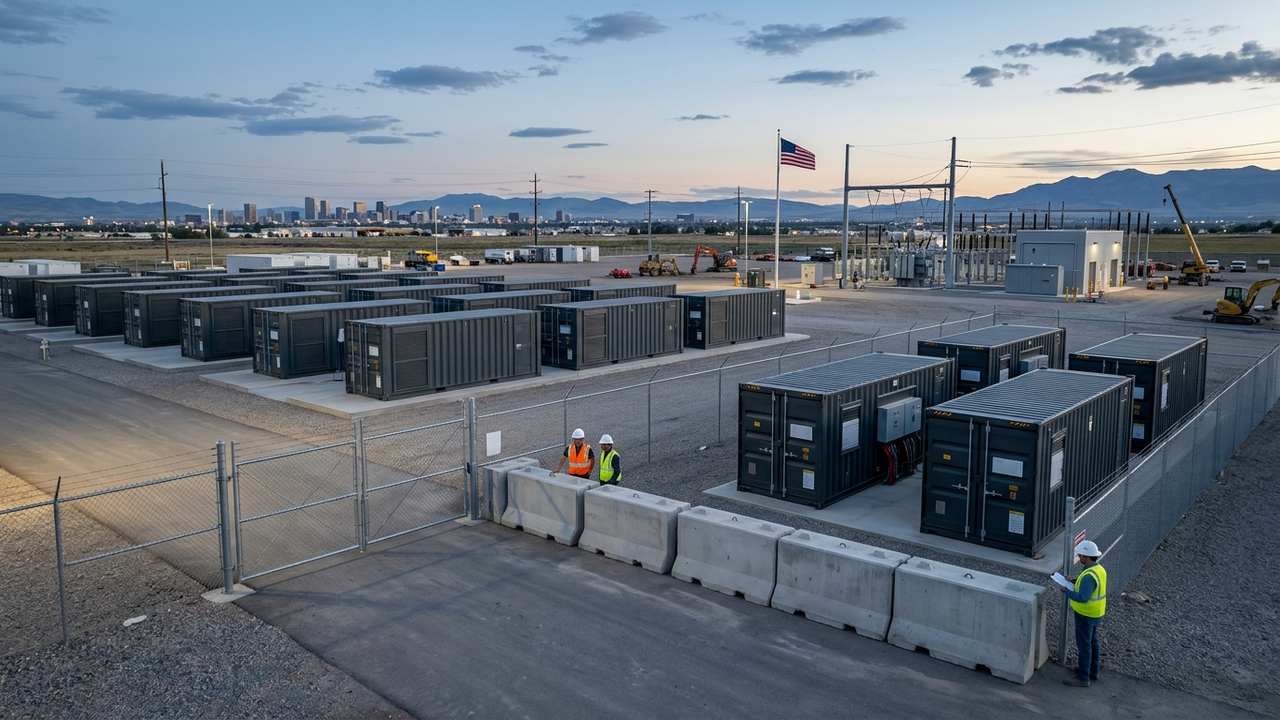
The U.S. government, via a new presidential directive, has announced a sweeping ban on the domestic deployment of Chinese-made Battery Energy Storage Systems (BESS). This landmark measure is aimed at addressing national security concerns and reducing the strategic dependence on foreign technology within critical U.S. energy infrastructure. The decision is poised to have extensive ramifications across the rapidly expanding U.S. energy storage market, dramatically accelerating the cultivation of domestic BESS manufacturing capabilities and the diversification of supply chains.
Technical / Clinical Details
The presidential directive focuses on specific technical aspects, identifying potential risks associated with Chinese-made BESS. Specifically, it suggests that the software and hardware embedded within these systems could harbor vulnerabilities leading to data breaches, cyberattacks, or remote operational shutdowns, thereby threatening the stability and security of the U.S. power grid. The ban is likely to apply not only to large-scale grid BESS but also to commercial and industrial distributed BESS. This decision is part of a broader effort to ensure the ‘digital integrity’ and ‘cybersecurity’ of the U.S. power grid, pushing U.S. BESS suppliers to source non-Chinese components and pivot towards domestic manufacturing.
Background & Context
In recent years, the U.S. has accelerated the modernization of its power grid and its transition to clean energy, with BESS acting as a linchpin for renewable energy integration and grid stabilization. However, many BESS components, especially the battery cells themselves, are manufactured in China, which has been perceived by U.S. policymakers as a strategic vulnerability. Moves to reduce technological dependence on China, which began during the Trump administration, are now intensifying within the context of national security. This latest ban can be interpreted as an expansion of the ‘decoupling’ strategy, previously seen in telecommunications equipment, into the energy sector, and is likely to further escalate technological competition and economic tensions between the U.S. and China.
Strategic Significance & Outlook
The prohibition on Chinese-made BESS imports may cause short-term disruptions in the U.S. energy storage market, but it is expected to foster domestic industry growth and enhance supply chain resilience in the medium to long term. U.S. BESS developers and allied international companies are likely to capitalize on this opportunity to accelerate investments in U.S.-based manufacturing facilities. Government subsidies and incentives are expected to further bolster domestic production. This shift could also stimulate competition among diverse suppliers, potentially leading to technological innovation and cost reductions in the long run. This policy pivot will significantly impact the restructuring of the global energy storage market supply chain, once again highlighting the profound influence of geopolitical factors on the development of clean energy technologies.
Get our weekly technology intelligence — free
Receive an infographic that lets you judge at a glance whether each field’s analysis report is worth reading.
Subscribe Free — Weekly Tech Intelligence
By subscribing, you’ll receive Troy-Technical’s weekly technology intelligence newsletter.
- Your email and selected fields are used only to deliver the newsletter.
- We never share your information with third parties.
- You can unsubscribe anytime via the link in each email.
See our Privacy Policy for details.
Takes about a minute · Unsubscribe anytime








Comments