Key Findings
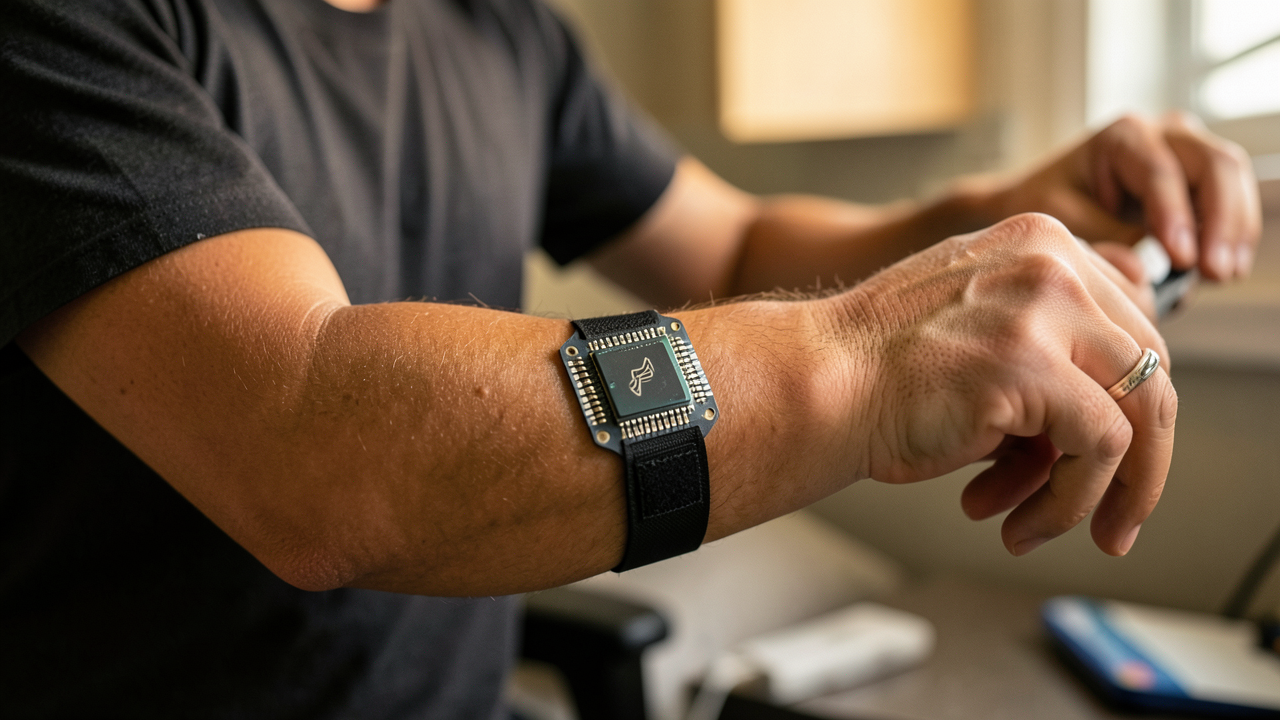
Google’s next-generation Humufish TPU (Tensor Processing Unit) project, initially planned to utilize Intel’s EMIB-T advanced packaging technology for mass production by late 2027, is now reportedly considering TSMC’s CoWoS (Chip-on-Wafer-on-Substrate) as a backup solution. This consideration arises from reports of lagging substrate yields for EMIB-T, indicating major tech companies’ strategic risk management in securing a stable supply of AI accelerators.
Technical / Clinical Details
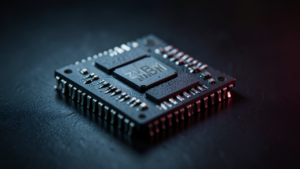
The Google Humufish TPU project, supported by ASIC (Application-Specific Integrated Circuit) partner MediaTek, aims for mass production by the end of 2027 using Intel’s EMIB-T (Embedded Multi-die Interconnect Bridge – Tiled) packaging technology. EMIB-T is a crucial method for efficiently connecting multiple dies (chips) on a single package substrate, standing alongside CoWoS as a vital advanced packaging solution for enhancing the performance of AI and High-Performance Computing (HPC) chips. MediaTek, in its earnings call, expressed confidence that EMIB-T yields had reached a level capable of supporting stable mass production, indicating their readiness for the 2027 production schedule. However, recent reports suggest challenges in the EMIB-T substrate manufacturing process, compelling Google to explore CoWoS as a proven alternative to ensure supply stability.
Background & Context
The increasing complexity of AI models and the explosion of data volumes have dramatically escalated the demand for high-performance AI accelerators. Consequently, advanced packaging technologies have become a significant bottleneck in the semiconductor supply chain. Hyperscalers such as Google, Amazon, and Microsoft are investing heavily in their custom AI chips, and the stability of their supply directly impacts their data center expansion strategies. Both EMIB-T and CoWoS are powerful technologies for integrating multiple chips, but each possesses unique manufacturing challenges and advantages. Google’s consideration of CoWoS as a backup likely stems from a strategic intent to avoid over-reliance on a single technology and to diversify supply chain risks.
Strategic Significance & Outlook
Google’s strategic maneuver highlights the intense competition and inherent challenges within advanced packaging technologies. For Intel, improving EMIB-T yields will be an urgent priority to establish credibility in the custom AI chip market and compete effectively against CoWoS. Conversely, this situation could further increase demand for TSMC’s CoWoS, making its ongoing capacity expansions even more critical. This dual-sourcing strategy demonstrates that securing flexibility and resilience in AI accelerator supply will be paramount for leading technology companies in the coming years, influencing both technological development competition and supply chain strategies across the semiconductor industry.
Source: https://www.digitimes.com/news/a20260917PD208/google-tpu-cowos-substrate-2027.html
Get our weekly technology intelligence — free
Receive an infographic that lets you judge at a glance whether each field’s analysis report is worth reading.
Subscribe Free — Weekly Tech Intelligence
By subscribing, you’ll receive Troy-Technical’s weekly technology intelligence newsletter.
- Your email and selected fields are used only to deliver the newsletter.
- We never share your information with third parties.
- You can unsubscribe anytime via the link in each email.
See our Privacy Policy for details.
Takes about a minute · Unsubscribe anytime





Comments