Key Findings
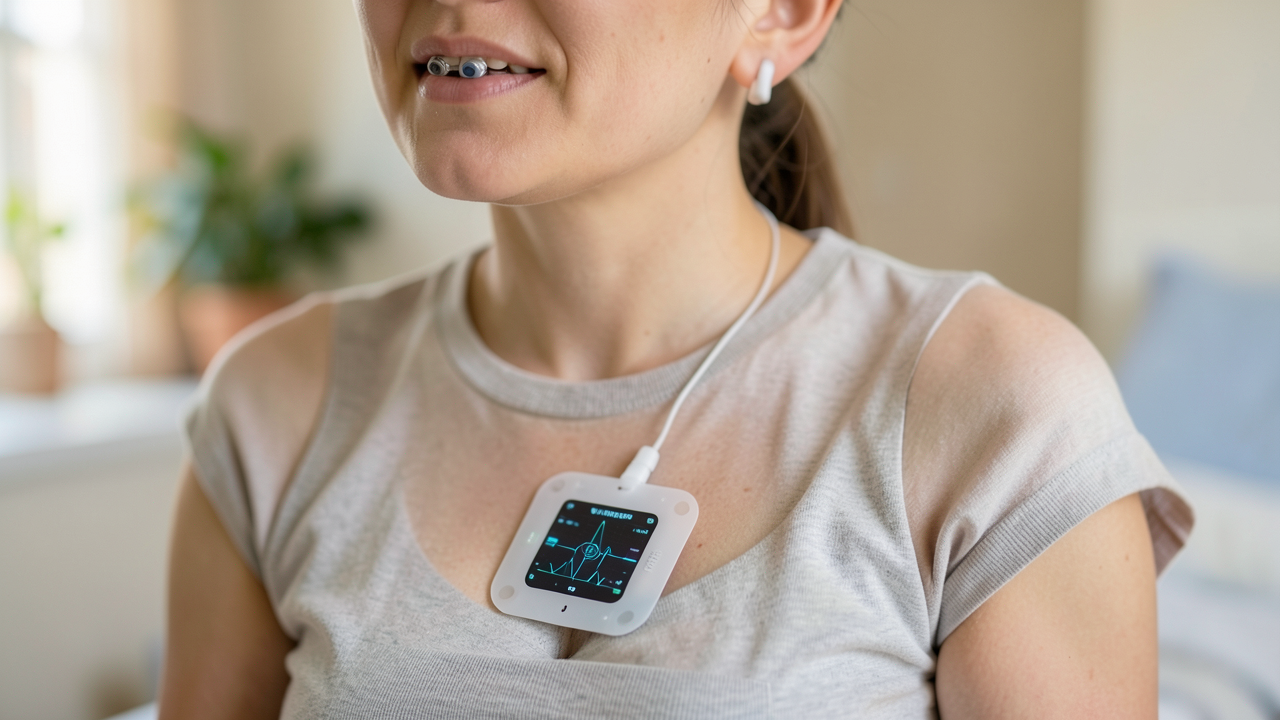
The North American Personal Health Intelligence Platforms market is rapidly evolving, driven by the integration of artificial intelligence (AI), wearable technologies, and digital biomarkers. The competitive landscape is transitioning from rudimentary health tracking towards comprehensive, continuously updated, and highly personalized health intelligence ecosystems. This fundamental shift promises to deliver more precise and proactive health management, thereby improving patient engagement and clinical outcomes.
Technical / Clinical Details
- AI-Powered Data Integration: AI systems are at the core of this evolution, aggregating and analyzing disparate health data from real-time biometric readings via wearables, individual electronic health records (EHRs), and routine laboratory test results. This holistic data processing enables the generation of tailored health risk assessments, preventive strategies, and personalized intervention plans for each user.
- Advanced Wearable Devices: Wearable sensors have progressed beyond basic physiological monitoring (e.g., heart rate, activity levels, sleep patterns) to offer more sophisticated, non-invasive, and continuous measurements of complex physiological parameters, such as blood oxygen saturation and glucose levels. This capability provides a comprehensive digital representation of an individual’s health status.
- Emergence of Digital Biomarkers: Data collected from wearables and smartphone applications—encompassing behavioral, physiological, and environmental metrics—are increasingly recognized as digital biomarkers. These are crucial for early disease detection, monitoring disease progression, and evaluating the efficacy of treatments.
Background & Context
The overarching shift in healthcare from a reactive treatment model to a proactive, personalized, and preventive paradigm is a primary driver for the growth of personal health intelligence platforms. Technological advancements, coupled with increasing consumer demand for accessible health data and insights, are key market expansion factors. The North American market, in particular, stands at the forefront of this innovation due to its aggressive adoption of new technologies and a highly health-conscious consumer base.
Strategic Significance & Outlook
Moving forward, personal health intelligence platforms are expected to play a central role in preventing disease onset and optimizing chronic condition management by providing even more advanced predictive analytics and intervention capabilities. Enhanced collaboration between insurance providers and healthcare systems will integrate data-driven personalized healthcare into mainstream practice, promising significant reductions in healthcare costs and improvements in public health. The market is poised for sustained high growth as the synergy between AI and sensor technology continues to deepen.
Get our weekly technology intelligence — free
Receive an infographic that lets you judge at a glance whether each field’s analysis report is worth reading.
Subscribe Free — Weekly Tech Intelligence
By subscribing, you’ll receive Troy-Technical’s weekly technology intelligence newsletter.
- Your email and selected fields are used only to deliver the newsletter.
- We never share your information with third parties.
- You can unsubscribe anytime via the link in each email.
See our Privacy Policy for details.
Takes about a minute · Unsubscribe anytime






Comments