Key Findings
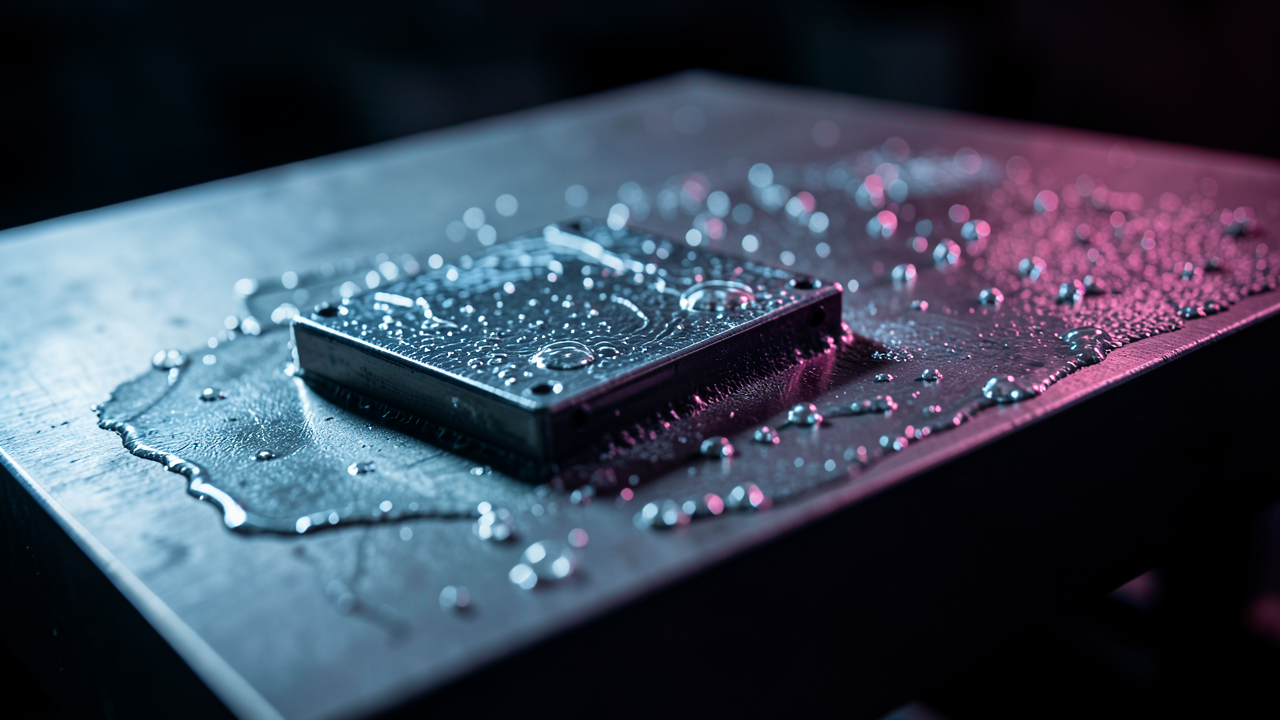
Researchers at Australia’s University of Queensland have engineered a “smart” self-healing coating that dramatically extends rust protection for steel components, achieving a corrosion rate of just 37 nanometers per year. This breakthrough makes the coating over 600 times more effective than many high-performance rust-protection products currently on the market, offering a game-changing solution for buildings, bridges, and vehicles.
Technical / Clinical Details
- The coating is formulated from powder-like particles that, when incorporated into water-based paint, create self-repairing corrosion shields. These nanostructures encapsulate rust-inhibiting molecules, specifically benzotriazole.
- Upon sensing damage, the nanoparticles release these inhibitors to the affected area, actively preventing rust from forming and spreading. This localized, on-demand repair mechanism is a key differentiator from conventional passive coatings.
- The measured corrosion rate of 37 nanometers per year represents an unprecedented level of protection. For context, many advanced rust-prevention methods struggle to achieve such low rates, and the 600-fold improvement underscores its superior efficacy.
Background & Context
Corrosion of steel infrastructure is a global challenge, costing economies hundreds of billions of dollars annually in repairs, maintenance, and safety issues. Traditional rust protection methods often rely on barrier coatings that, once compromised, allow corrosion to proliferate. The demand for more durable, active, and sustainable anti-corrosion solutions is immense across industries from construction and transportation to marine and defense. This self-healing technology directly addresses this long-standing problem by offering a proactive defense mechanism.
Strategic Significance & Outlook
The University of Queensland team aims to commercialize this technology within the next five years. Its applications are vast, encompassing steel components in critical infrastructure (bridges, buildings), automotive bodies, and industrial machinery where extended lifespan and reduced maintenance are paramount. The ability to dramatically curtail corrosion will not only lead to significant cost savings but also enhance the safety and longevity of steel-based assets worldwide. This represents a substantial leap forward in materials science, potentially revolutionizing how steel is protected against environmental degradation.
Source: https://aibn.uq.edu.au/article/2026/09/self-repairing-coating-extend-rust-prevention
Get our weekly technology intelligence — free
Receive an infographic that lets you judge at a glance whether each field’s analysis report is worth reading.
Subscribe Free — Weekly Tech Intelligence
By subscribing, you’ll receive Troy-Technical’s weekly technology intelligence newsletter.
- Your email and selected fields are used only to deliver the newsletter.
- We never share your information with third parties.
- You can unsubscribe anytime via the link in each email.
See our Privacy Policy for details.
Takes about a minute · Unsubscribe anytime


Comments