Key Findings
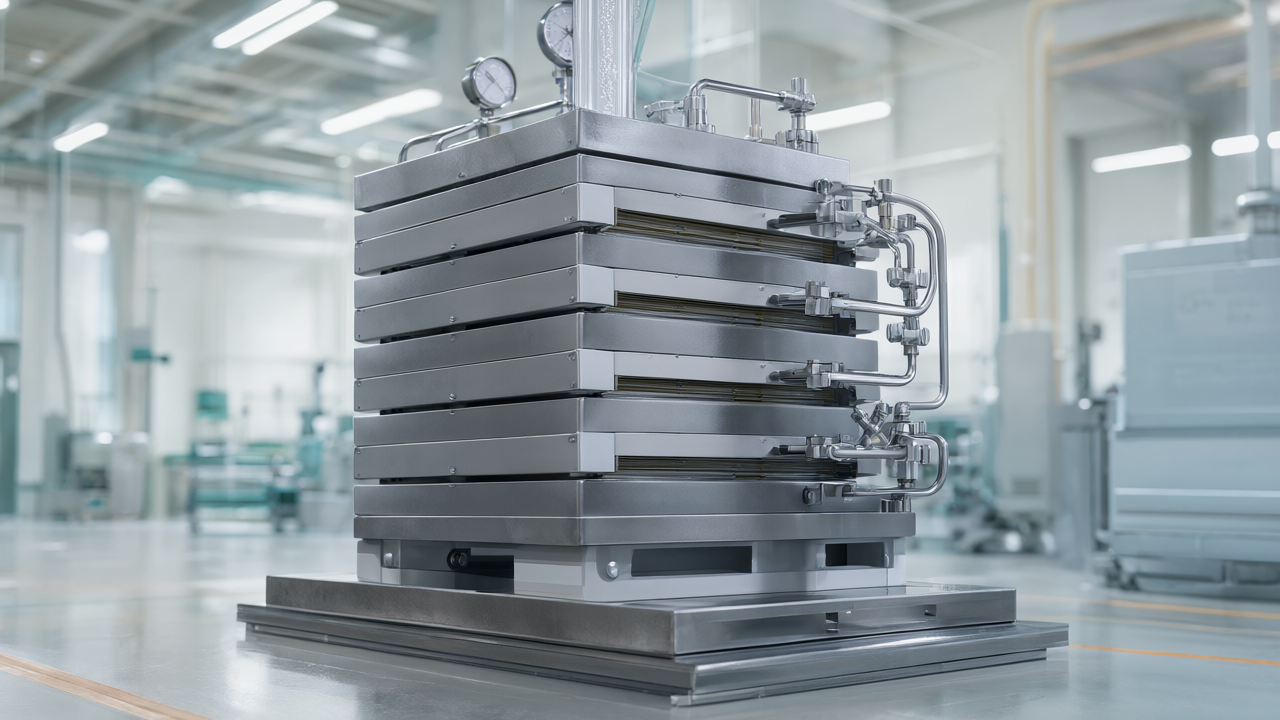
Power to Hydrogen (P2H2), in collaboration with Spanish energy giant Repsol, has successfully validated a 5-cell Anion Exchange Membrane (AEM) electrolyzer for flexible green hydrogen production. The system demonstrated stable operation, producing hydrogen with 99.9% purity and exhibiting only marginal degradation over 1,250 hours of testing across a wide operational envelope (40-100% load, 2-30 bar pressure). This achievement represents a significant leap forward in developing high-performance, cost-effective hydrogen production solutions free from expensive iridium catalysts and environmentally problematic PFAS compounds.
Technical / Clinical Details
The validated AEM electrolyzer is engineered to integrate the dynamic characteristics of Proton Exchange Membrane (PEM) electrolyzers, which are essential for responding to fluctuating renewable energy inputs, with the low-cost material platform inherent in alkaline electrolyzers. A key differentiating factor is its ability to operate without iridium, a rare and costly platinum-group metal typically required in PEM systems, and to avoid per- and polyfluoroalkyl substances (PFAS), known for their environmental persistence and regulatory concerns. Tests conducted at Repsol’s Technology Centre rigorously assessed the electrolyzer’s performance and durability under varying power conditions. The results confirm the AEM technology’s high efficiency and stability across diverse operating conditions, strongly supporting its commercial viability for green hydrogen production.
Background & Context
Green hydrogen, produced by electrolyzing water using renewable electricity, is a cornerstone for decarbonizing hard-to-electrify industries globally. However, existing electrolysis technologies face significant challenges: alkaline electrolyzers lack dynamic response, while PEM electrolyzers rely on expensive and scarce materials like iridium. AEM electrolyzers are positioned as a ‘third way,’ promising a more sustainable and economically competitive pathway to hydrogen production. The active involvement and validation by major energy players like Repsol underscore the growing industry confidence in AEM technology’s potential to accelerate the hydrogen economy’s expansion.
Strategic Significance & Outlook
The successful validation of this AEM electrolyzer signifies a critical step towards establishing AEM technology as a commercially viable and competitive option for industrial-scale green hydrogen production. The elimination of iridium and PFAS not only addresses cost and supply chain risks but also aligns with increasingly stringent environmental sustainability requirements. This breakthrough is expected to contribute significantly to reducing the overall cost of green hydrogen, thereby facilitating its widespread adoption across various industrial sectors and playing a pivotal role in the global energy transition. Future developments will focus on scaling up the technology for even larger commercial plants and further optimizing its performance and longevity.
Get our weekly technology intelligence — free
Receive an infographic that lets you judge at a glance whether each field’s analysis report is worth reading.
Subscribe Free — Weekly Tech Intelligence
By subscribing, you’ll receive Troy-Technical’s weekly technology intelligence newsletter.
- Your email and selected fields are used only to deliver the newsletter.
- We never share your information with third parties.
- You can unsubscribe anytime via the link in each email.
See our Privacy Policy for details.
Takes about a minute · Unsubscribe anytime



Comments