
Key Findings
Nippon Steel has demonstrated the feasibility of producing direct reduced iron (DRI) using 100% hydrogen as the reducing agent and low-grade iron ore (blast furnace grade pellets) as the raw material. In trials conducted at the Hasaki Research and Development Center in Kamisu, Ibaraki Prefecture, the company achieved over 300 hours of continuous operation and a cumulative production volume exceeding 1,000t of reduced iron.
Technical Details
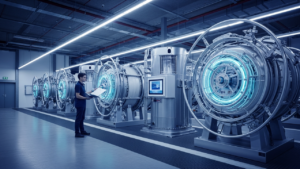
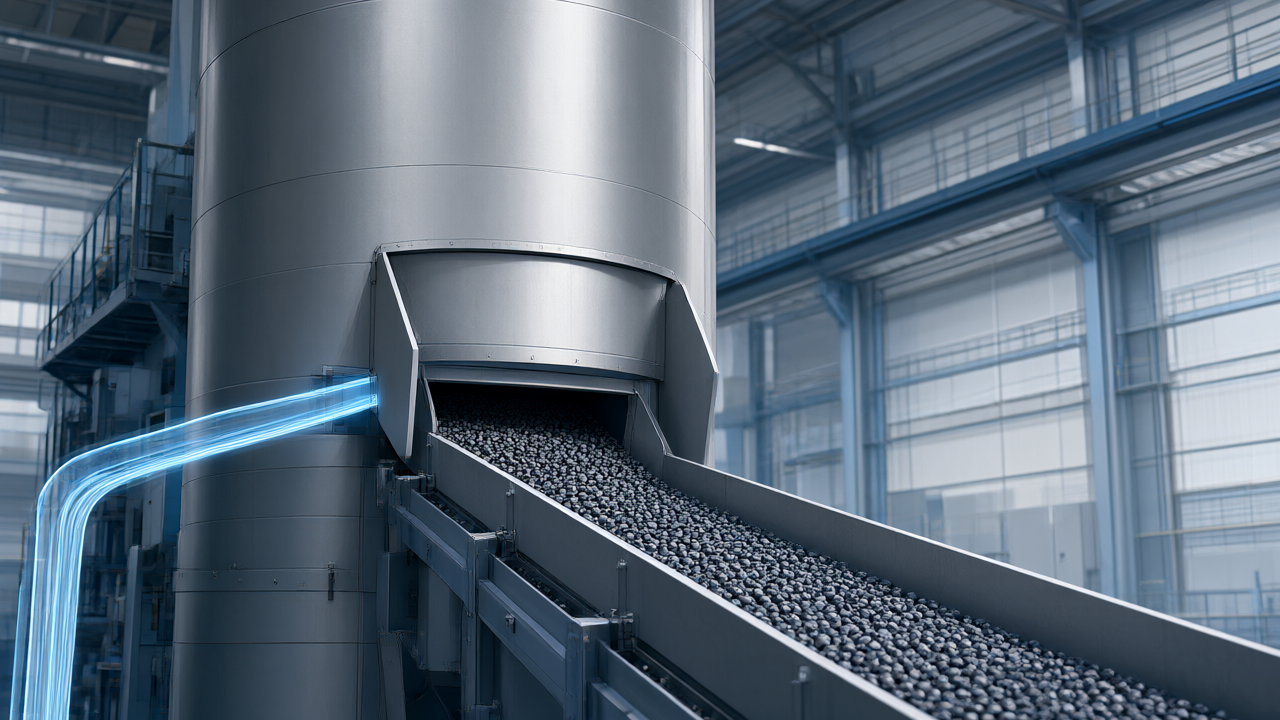
The trials utilized a shaft furnace that began operation in March 2026, featuring a height of approximately 60m and a production capacity of 1t/h. The company addressed two primary technical challenges:
- Thermal Management: Because reduction using only hydrogen is an endothermic reaction that lowers furnace temperature, Nippon Steel implemented advanced heat compensation technology to maintain stable operating temperatures.
- Material Stability: Low-grade iron ore is prone to powdering during reduction, which typically impairs gas permeability and reaction control. The company developed specific operating techniques to suppress this powdering.
Background and Context
Currently, global DRI production relies on commercial furnaces using natural gas, totaling approximately 100 million t annually. However, natural gas emissions necessitate a shift toward hydrogen. While hydrogen reduction is a viable alternative, it traditionally requires high-grade iron ore (direct reduction grade pellets) due to purity and stability requirements. Since high-grade ore supplies are limited, establishing technology that utilizes the more abundant low-grade ore is critical for long-term resource security.
Significance and Outlook
This achievement is part of the “Nippon Steel Carbon Neutral Vision 2050,” supported by the Green Innovation Fund project from the New Energy and Industrial Technology Development Organization (NEDO). The company is simultaneously pursuing three pillars: hydrogen-based DRI production, hydrogen reduction in blast furnaces, and high-grade steel production via large electric furnaces. Following continued optimization of operating conditions, Nippon Steel will pursue scale-up development starting in fiscal 2027, targeting the establishment of commercial-scale technology by approximately 2040.
Source: https://news.yahoo.co.jp/articles/54de41e23cc74109e64e3bce1beb82f8a7d03de7
Get our weekly technology intelligence — free
Receive an infographic that lets you judge at a glance whether each field’s analysis report is worth reading.
Subscribe Free — Weekly Tech Intelligence
By subscribing, you’ll receive Troy-Technical’s weekly technology intelligence newsletter.
- Your email and selected fields are used only to deliver the newsletter.
- We never share your information with third parties.
- You can unsubscribe anytime via the link in each email.
See our Privacy Policy for details.
Takes about a minute · Unsubscribe anytime