

Key Findings
The EBMT has issued a set of methodological recommendations to harmonize the cryopreservation of CAR T-cell products produced in academic settings. The primary goal is to reduce the heterogeneity in practices that currently threatens the comparability of these cell products.
Technical Details
The consensus recommendations specify several critical parameters for the freezing and storage process:
- Timing: Cryopreservation should be performed as soon as possible after manufacturing, preferably within ≤48 h. Freezing must be initiated within 30 min of adding the cryomedium.
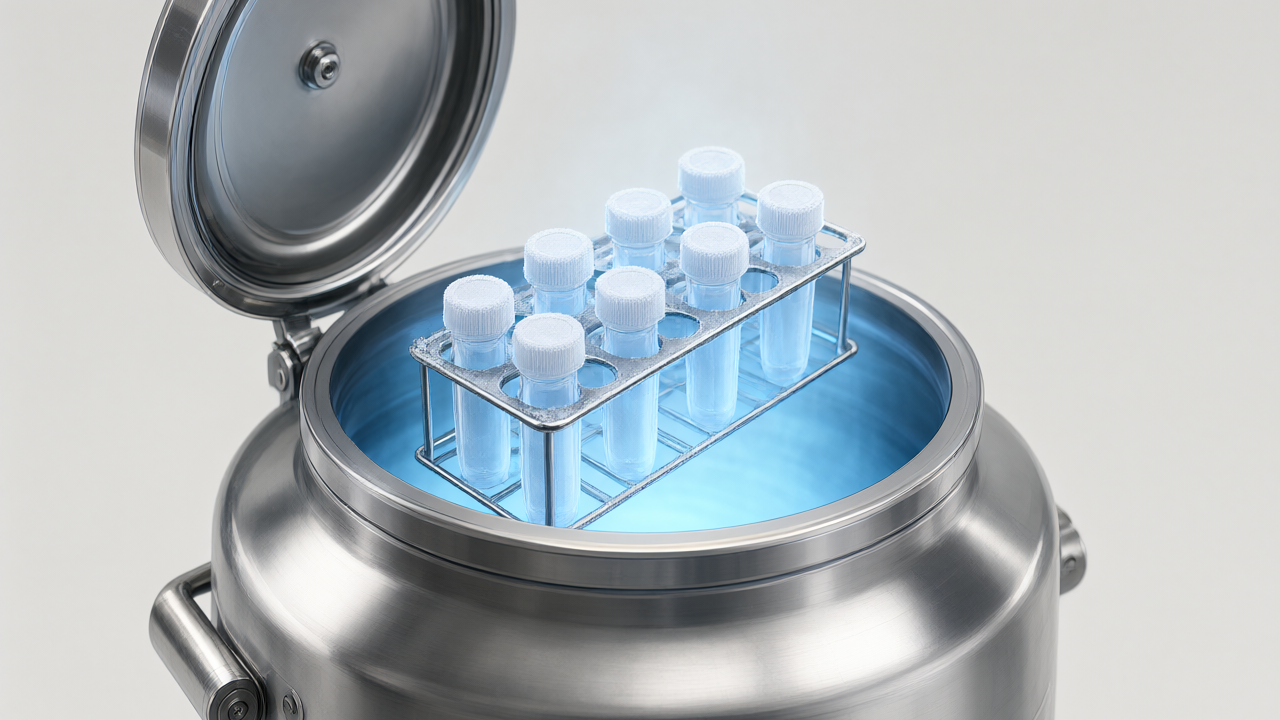
- Freezing Process: Controlled-rate freezing should be used to reach at least −80 °C. Liquid nitrogen and Peltier-based controlled-rate freezing systems are considered technically equivalent.
- Storage: Long-term storage should be maintained below −120 °C whenever feasible.
- Backup Methods: Passive freezing at −80 °C may serve as a back-up method, provided that suitability is confirmed via formal method validation.
- Mandatory Requirements: The guidelines mandate the use of retention samples, identity testing, post-thaw viability checks, and validated transportation procedures.
Background and Context
The need for these guidelines arose from a survey of 52 academic centers, which revealed significant variability in cryomedium composition, device choice, storage temperatures, and post-thaw quality control. While cryopreservation is essential for the storage of surplus cells, treatment postponement, and later infusion, no harmonized guidelines previously existed for CAR T-cell products.
Significance and Outlook
These recommendations provide a technical framework for groups currently establishing academic manufacturing of CAR-T products. By standardizing the transition from manufacturing to long-term storage, the EBMT seeks to ensure that academic CAR T-cell products maintain consistent quality and efficacy regardless of the producing center.
Source: https://doi.org/10.1038/s41409-026-03020-x
Get our weekly technology intelligence — free
Receive an infographic that lets you judge at a glance whether each field’s analysis report is worth reading.
Subscribe Free — Weekly Tech Intelligence
By subscribing, you’ll receive Troy-Technical’s weekly technology intelligence newsletter.
- Your email and selected fields are used only to deliver the newsletter.
- We never share your information with third parties.
- You can unsubscribe anytime via the link in each email.
See our Privacy Policy for details.
Takes about a minute · Unsubscribe anytime