Key Findings
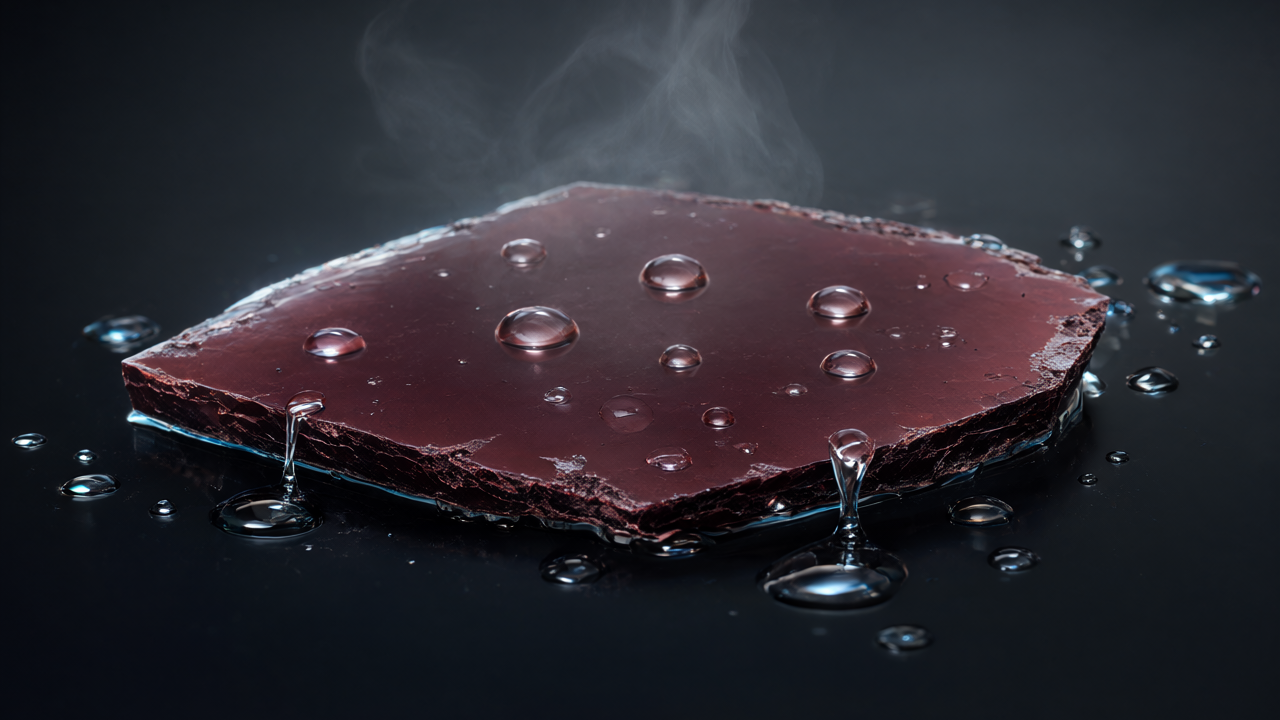
A novel computational study has predicted the long-term stability of lead-free double perovskite Cs₂SnI₆ against water and oxygen, leveraging first-principles calculations. The research revealed that tin sites on the Cs₂SnI₆ surface exhibit stronger binding affinities for both water and oxygen molecules, with oxygen undergoing chemisorption and water undergoing physisorption. Ab initio molecular dynamics simulations further indicated that all three studied surfaces maintained their structural integrity at room temperature, providing crucial atomic-level insights for enhancing the environmental robustness of lead-free perovskite solar cells.
Technical & Clinical Details
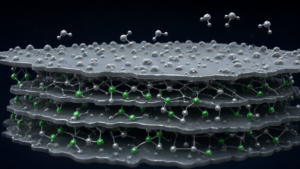
The study employed sophisticated first-principles calculations, based on density functional theory (DFT), to meticulously analyze the atomic-level interactions between the Cs₂SnI₆ surface and water and oxygen molecules. The calculations demonstrated that tin atoms possess strong binding energies with both types of molecules, suggesting a protective mechanism for the surface against environmental degradation. Oxygen’s chemisorption implies the formation of strong covalent bonds, becoming an integral part of the surface structure, whereas water’s physisorption indicates weaker interactions, such as van der Waals forces, leading to its temporary binding. These findings are instrumental for guiding the design of lead-free perovskite materials, particularly in optimizing barrier layers against moisture and oxygen or enhancing the intrinsic resistance of the material itself. The ab initio molecular dynamics simulations, confirming structural stability at room temperature under thermal fluctuations, bolster confidence in the potential for long-term durability in practical applications.
Background & Context
While lead-based perovskite solar cells have achieved high efficiencies, environmental concerns regarding lead toxicity necessitate a shift towards less toxic, lead-free alternatives. However, lead-free perovskites typically suffer from lower stability, with particular vulnerability to moisture and oxygen posing significant challenges for commercialization. Tin-based double perovskites, such as Cs₂SnI₆, are considered promising lead substitutes, but a comprehensive understanding of their stability mechanisms has been lacking. This research addresses this critical stability gap using computational methods, providing fundamental information for material design and accelerating the commercialization pathway for lead-free perovskites.
Strategic Significance & Outlook
The atomic-level understanding of water and oxygen interactions derived from this study directly informs the development of more durable lead-free perovskite solar cells. The next crucial steps involve experimental validation of these computational predictions and comprehensive assessment of the actual outdoor performance and long-term stability of Cs₂SnI₆-based devices. This research offers valuable guidelines for defect engineering and optimizing surface passivation layers in lead-free materials, potentially paving the way for widespread adoption of perovskite solar cells as a sustainable and environmentally friendly energy source.
Get our weekly technology intelligence — free
Receive an infographic that lets you judge at a glance whether each field’s analysis report is worth reading.
Subscribe Free — Weekly Tech Intelligence
By subscribing, you’ll receive Troy-Technical’s weekly technology intelligence newsletter.
- Your email and selected fields are used only to deliver the newsletter.
- We never share your information with third parties.
- You can unsubscribe anytime via the link in each email.
See our Privacy Policy for details.
Takes about a minute · Unsubscribe anytime





Comments