Key Findings
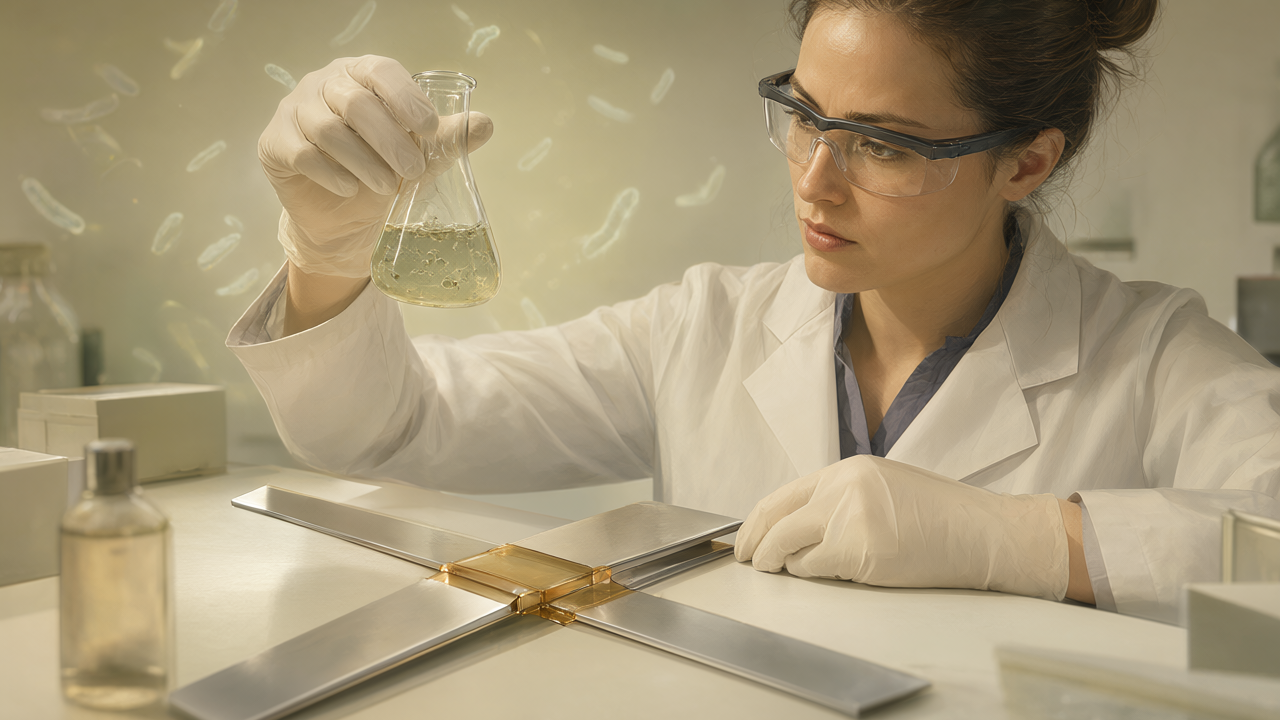
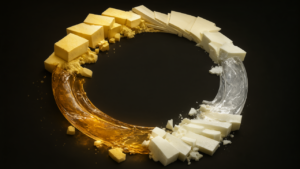
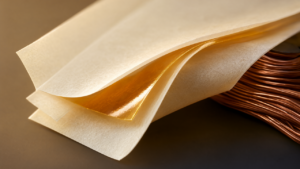
A research team in South Korea has successfully engineered E. coli bacteria to directly produce two novel high-performance biodegradable PHA (polyhydroxyalkanoate) polymers: poly(4HB-co-PhLA) and poly(3HB-co-4HB-co-PhLA). These microbially synthesized polymers are designed to serve as sustainable alternatives to petroleum-derived hot melt adhesives. Critically, during shear strength tests on stainless steel, one of these bio-based materials exhibited adhesive performance superior to that of a commercial ethylene-vinyl acetate (EVA) based hot melt adhesive.
Technical / Clinical Details
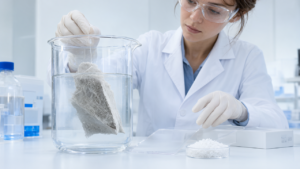
The researchers utilized advanced microbial metabolic engineering techniques to re-route the E. coli’s metabolic pathways, enabling the bacterium to synthesize specific monomer units and incorporate them into the PHA polymer backbone. This precise control over polymer composition allowed for the optimization of material properties. Conventional PHAs, while biodegradable and biocompatible, often face limitations in mechanical strength and thermal stability for demanding adhesive applications. By integrating specific side-chain monomers, such as phenyl-lactic acid (PhLA), into the polymer structure, the new PHAs overcome these challenges. The improved shear strength, a crucial metric for adhesive performance, signifies that these novel PHA materials possess the robustness required for a wide range of industrial applications, demonstrating the ability of microbial systems to produce functional materials with tailored properties directly.
Background & Context
The hot melt adhesive market is a multi-billion dollar industry with widespread applications in packaging, bookbinding, automotive manufacturing, and electronics. However, the vast majority of these adhesives are petroleum-derived, contributing to plastic waste accumulation and microplastic pollution. The development of high-performance biodegradable adhesives is a critical step towards mitigating environmental impact and transitioning to a more sustainable materials economy. Previous bio-based adhesives often struggled with performance trade-offs, making this breakthrough in simultaneously achieving high performance and biodegradability particularly impactful.
Strategic Significance & Outlook
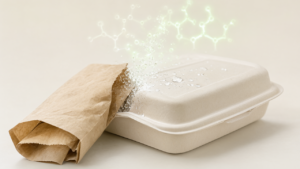
This innovation in E. coli-derived biodegradable hot melt adhesives offers a compelling solution for industries seeking to enhance their sustainability profiles without compromising performance. Its potential extends across various sectors, including food packaging, medical devices, and disposable consumer goods, where petroleum-based adhesives could be replaced. Future efforts will likely focus on scaling up production, improving cost-effectiveness to compete with conventional adhesives, and conducting comprehensive long-term stability and performance assessments under diverse environmental conditions to facilitate widespread commercial adoption.
Source: https://www.thecooldown.com/green-tech/biodegradable-hot-melt-glue-south-korea/
Get our weekly technology intelligence — free
Receive an infographic that lets you judge at a glance whether each field’s analysis report is worth reading.
Subscribe Free — Weekly Tech Intelligence
By subscribing, you’ll receive Troy-Technical’s weekly technology intelligence newsletter.
- Your email and selected fields are used only to deliver the newsletter.
- We never share your information with third parties.
- You can unsubscribe anytime via the link in each email.
See our Privacy Policy for details.
Takes about a minute · Unsubscribe anytime


Comments