Key Findings
The addition of reactive polysiloxane modifiers significantly improves the durability of polylactide (PLA) under simulated outdoor conditions. In selected formulations, these additives more than doubled the material’s initial impact strength. Most notably, PLA compounds containing modifier MOD1 retained approximately 90 percent of their initial tensile strength after 250 hours of accelerated weathering, while unmodified PLA lost about half of its strength in the same timeframe.
Technical Details
The researchers tested two modifiers, MOD1 (molecular weight 4184 g/mol) and MOD2 (molecular weight 2764 g/mol), both featuring a polysiloxane backbone with hexane and reactive methacrylate functional groups. Unlike conventional plasticizers, these modifiers polymerize thermally during melt processing to form crosslinked elastomeric micro-domains within the PLA matrix.
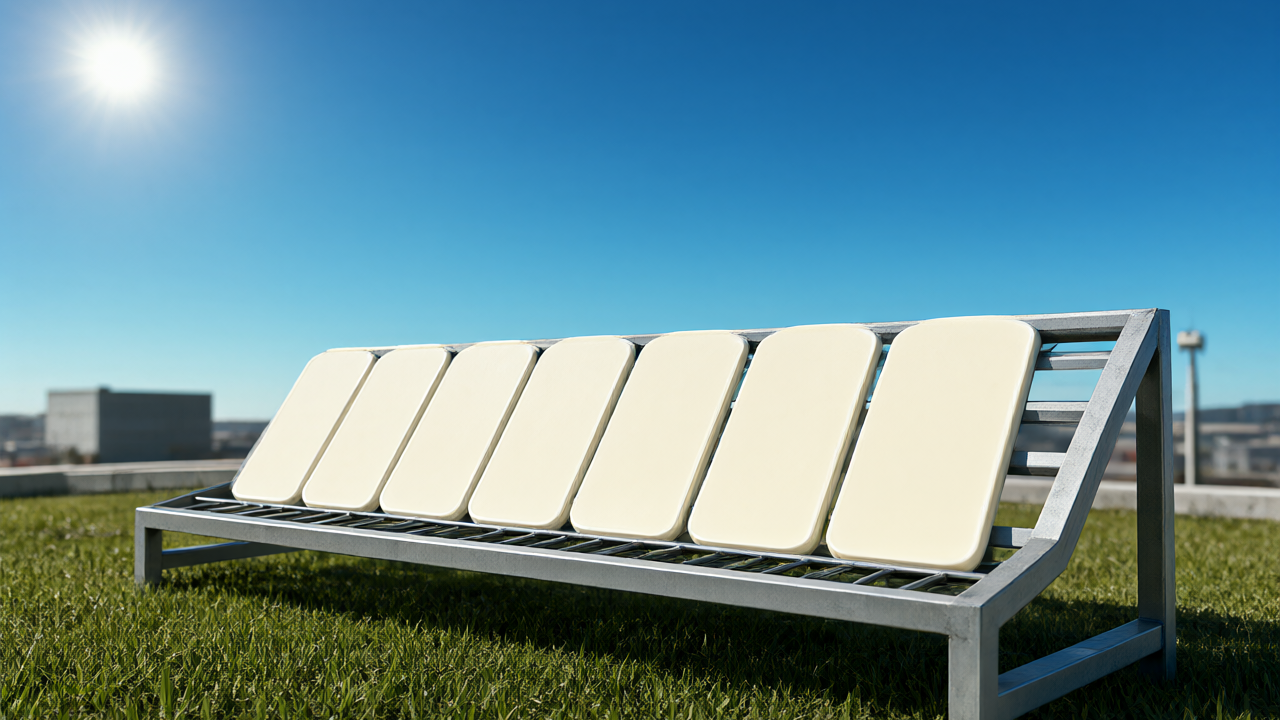
Testing followed the ISO 4892-3:2024 protocol using an ATLAS UV TEST chamber. Specimens underwent cycles of four hours of UV-B irradiation (313 nm, 0.76 W/m² at 60°C) and four hours of condensation (50°C in the dark). Results showed that while both modifiers increased ductility, MOD1 provided superior long-term stability. By 500 hours, however, all samples fell below 10 kJ/m² in Charpy impact strength.
Background and Context
PLA is naturally stiff and brittle, and its toughness typically declines when exposed to heat, moisture, and sunlight. Traditional plasticizers, such as polyethylene glycol (PEG) or citrate esters, often leach out over time. For example, PLA plasticized with acetyl tributyl citrate lost 57 percent of its elongation at break after 240 hours of aging. The reactive anchoring strategy used in this study prevents this leaching by chemically bonding the modifiers to the matrix.
Significance and Outlook
The study attributes the eventual embrittlement of the materials to secondary crystallization. X-ray diffraction showed neat PLA’s crystallinity rising from 14 percent to 38 percent after 250 hours. This structural ordering reduces free volume and restricts chain motion, coinciding with the loss of mechanical properties.
Source: https://bioengineer.org/silicone-additives-help-brittle-pla-survive-simulated-outdoor-aging/
Get our weekly technology intelligence — free
Receive an infographic that lets you judge at a glance whether each field’s analysis report is worth reading.
Subscribe Free — Weekly Tech Intelligence
By subscribing, you’ll receive Troy-Technical’s weekly technology intelligence newsletter.
- Your email and selected fields are used only to deliver the newsletter.
- We never share your information with third parties.
- You can unsubscribe anytime via the link in each email.
See our Privacy Policy for details.
Takes about a minute · Unsubscribe anytime