Key Findings
Beam Therapeutics’ in vivo base editing therapeutic, BEAM-302, has shown groundbreaking long-term follow-up data in patients with Alpha-1 Antitrypsin Deficiency (AATD). The therapy demonstrated sustained correction of the target gene in vivo, successfully increasing total Alpha-1 Antitrypsin (AAT) and functional AAT by up to 93%, while simultaneously reducing toxic circulating Z-AAT by 84%. This achievement represents a major breakthrough in inherited disease treatment, effectively transforming the disease risk for AATD patients to that of a genetic carrier status.
Technical and Clinical Details
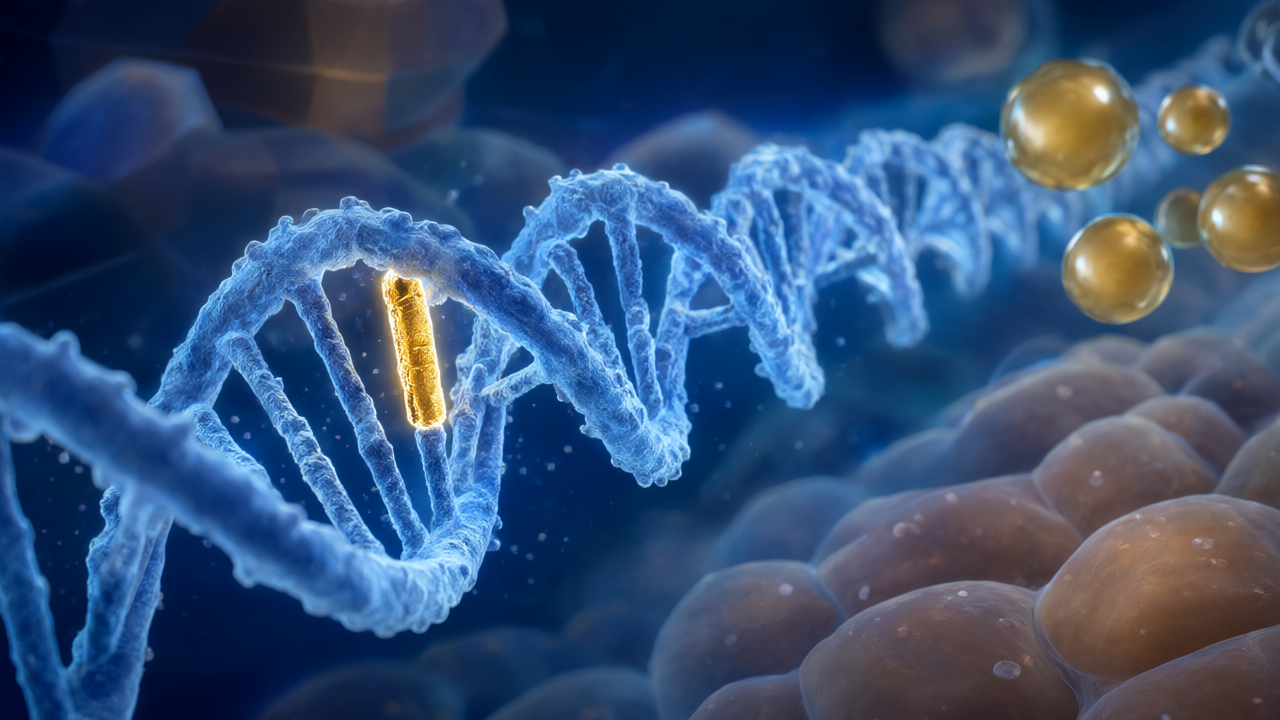
AATD is a genetic disorder caused by mutations in the SERPINA1 gene, leading to insufficient AAT protein production and severe lung and liver damage. BEAM-302 utilizes CRISPR base editing technology to directly correct the SERPINA1 gene in hepatocytes within the patient’s body, aiming to restore functional AAT production. This in vivo base editing approach bypasses the need for ex vivo cell collection, editing, and re-infusion, allowing for a simpler and less invasive treatment. Long-term follow-up data confirmed high durability of the in vivo edited gene after a single dose of BEAM-302. The up to 93% increase in functional AAT levels significantly rectified the AAT deficiency in AATD patients, and the toxic variant Z-AAT protein was also reduced by 84%. This level of AAT restoration is equivalent to reducing the disease risk for severely affected AATD patients to that of genetic carriers, suggesting a fundamental alteration of the disease’s natural course. The therapeutic is efficiently delivered to the liver using an adeno-associated virus (AAV) vector. Furthermore, a competing AATD base editing therapeutic, SERP-01 (developed by Serapha Bio), has also received FDA IND approval for Phase 2/3 clinical trials, along with Orphan Drug and Regenerative Medicine Advanced Therapy (RMAT) designations, intensifying competition in the AATD treatment landscape.
Background and Industry Context
The field of gene therapy is rapidly evolving with advancements in gene editing technologies like CRISPR. In particular, in vivo gene editing holds the potential to fundamentally correct diseases with a single treatment, with approved therapies already available for conditions like sickle cell disease and beta-thalassemia. Rare genetic disorders like AATD often have only chronic symptomatic treatments, severely impacting patients’ quality of life. BEAM-302’s data clearly demonstrates the high efficacy of in vivo base editing against these unmet medical needs, driving a paradigm shift in inherited disease treatment.Outlook
Further clinical trial results and the approval process for BEAM-302, as well as the progress of the competing SERP-01 clinical trials, will be key areas of focus in the coming years. The broader application of in vivo base editing technology to other diseases, particularly long-term safety data and managing off-target editing risks, is also critical. If this technology can be applied to a wide range of genetic disorders, it has the potential to revolutionize current treatment paradigms and offer curative hope to many patients.
Get our weekly technology intelligence — free
Receive an infographic that lets you judge at a glance whether each field’s analysis report is worth reading.
Subscribe Free — Weekly Tech Intelligence
By subscribing, you’ll receive Troy-Technical’s weekly technology intelligence newsletter.
- Your email and selected fields are used only to deliver the newsletter.
- We never share your information with third parties.
- You can unsubscribe anytime via the link in each email.
See our Privacy Policy for details.
Takes about a minute · Unsubscribe anytime