


Key Findings: Gut Metabolites Crucially Influence CAR-T Cell Therapy Efficacy, with Butyrate and Indoles Contributing to Enhanced Long-Term Remission and Survival
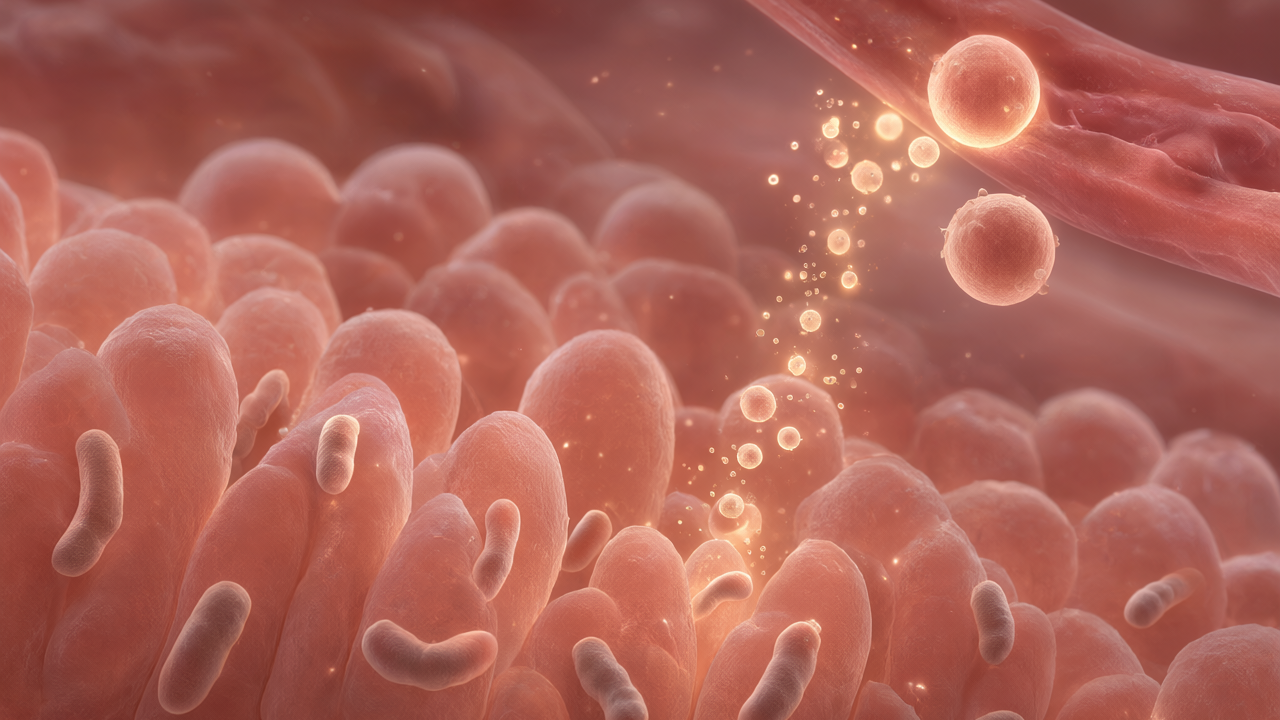
Researchers at Ludwig-Maximilians-Universität München have published groundbreaking findings in the journal ‘Cell,’ revealing that human gut metabolites exert a profound influence on the clinical outcomes of Chimeric Antigen Receptor (CAR-T) cell therapy. Through a detailed analysis of data from 129 patients who received CAR-T cell therapy, it was discovered that specific gut bacteria-derived metabolites, particularly high levels of the short-chain fatty acid (SCFA) butyrate and indole metabolites originating from the amino acid tryptophan, significantly enhance the in vivo proliferative capacity and anti-tumor effects of CAR-T cells. Patients with elevated levels of these metabolites showed significantly improved long-term progression-free survival (PFS) and overall survival (OS). This discovery suggests that interventions targeting the gut environment could enhance CAR-T therapy efficacy and offers a new direction for personalized treatment strategies.
Technical & Clinical Details: Correlation Between Metabolites and CAR-T Cell Function
- Patient Cohort and Data Analysis: The study was conducted on 129 patients with relapsed or refractory B-cell malignancies who received CD19-targeted CAR-T cell therapy. Extensive gut microbiome profiling and metabolomic analysis were performed on fecal and plasma samples collected before and during treatment. These data were then correlated with CAR-T cell in vivo kinetics, cytokine levels, and clinical outcomes (CR rate, PFS, OS).
- Effect of Butyrate: Butyrate, one of the primary SCFAs produced by gut bacteria, functions as a histone deacetylase (HDAC) inhibitor. The study showed that in patients with high butyrate levels, CAR-T cell proliferation increased by an average of 30%, and differentiation into CAR-T cell memory T cells was promoted. This strengthened the long-term persistence and anti-tumor activity of CAR-T cells. Patients in the high-butyrate group exhibited a 25% improvement in 1-year PFS compared to the low-butyrate group (55% vs 30%).
- Effect of Indole Metabolites: Indole metabolites (e.g., indole-3-propionic acid, indole-3-acetic acid), derived from the tryptophan metabolic pathway, are known to activate the aryl hydrocarbon receptor (AhR). These metabolites also positively influenced CAR-T cell function, with a suggested role in mitigating immunosuppression within the tumor microenvironment. Patients with high indole metabolite levels had lower severity of Cytokine Release Syndrome (CRS) (incidence of Grade 3+ CRS was 40% in the low group vs 15% in the high group), correlating with favorable clinical outcomes.
- Clinical Significance: These results suggest that gut microbiome and metabolite profiling before treatment can serve as a useful prognostic indicator for patients undergoing CAR-T cell therapy. Furthermore, it indicates the potential for developing adjunctive therapies, such as butyrate or indole metabolite supplementation, or probiotics/prebiotics that enhance specific gut bacteria, to improve CAR-T therapy efficacy.
Background & Industry Context: New Interface Between Cancer Immunotherapy and Gut Microbiome
In recent years, multiple studies have shown that the gut microbiome influences the efficacy of cancer immunotherapies, particularly immune checkpoint inhibitors. However, detailed data on the direct association between CAR-T cell therapy and the gut microbiome has been lacking. This study is groundbreaking in that it fills this gap, clearly demonstrating that the gut environment directly impacts the in vivo function of CAR-T cells and is a critical factor determining therapeutic outcomes. This work presents a new strategic approach to maximizing the efficacy of cancer immunotherapy.Strategic Significance & Outlook: Gut Microbiome-Targeted CAR-T Combination Therapy
This research establishes the importance of the gut microbiome in CAR-T cell therapy and will significantly influence future treatment strategies. In the future, deliberate modulation of the gut environment (e.g., nutritional interventions, fecal microbiota transplantation, probiotics) may be developed as a standard combination therapy to enhance CAR-T therapy efficacy. Particular focus will be on the development of drugs based on butyrate and indole metabolites, and the identification and transplantation of gut bacteria that efficiently produce these metabolites. Ultimately, it is anticipated that personalized CAR-T treatment protocols that consider the patient’s gut environment will be established, leading to a future where more cancer patients can enjoy long-term remission and improved quality of life (QOL).
Source: https://www.lmu-klinikum.de/pharmakologie/gut-metabolites-influence-car-t-therapy/a9cd3a57d7e70f0b
Get our weekly technology intelligence — free
Receive an infographic that lets you judge at a glance whether each field’s analysis report is worth reading.
Subscribe Free — Weekly Tech Intelligence
By subscribing, you’ll receive Troy-Technical’s weekly technology intelligence newsletter.
- Your email and selected fields are used only to deliver the newsletter.
- We never share your information with third parties.
- You can unsubscribe anytime via the link in each email.
See our Privacy Policy for details.
Takes about a minute · Unsubscribe anytime