
Key Findings
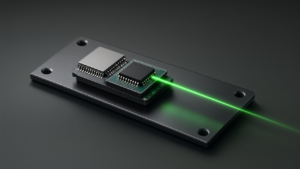
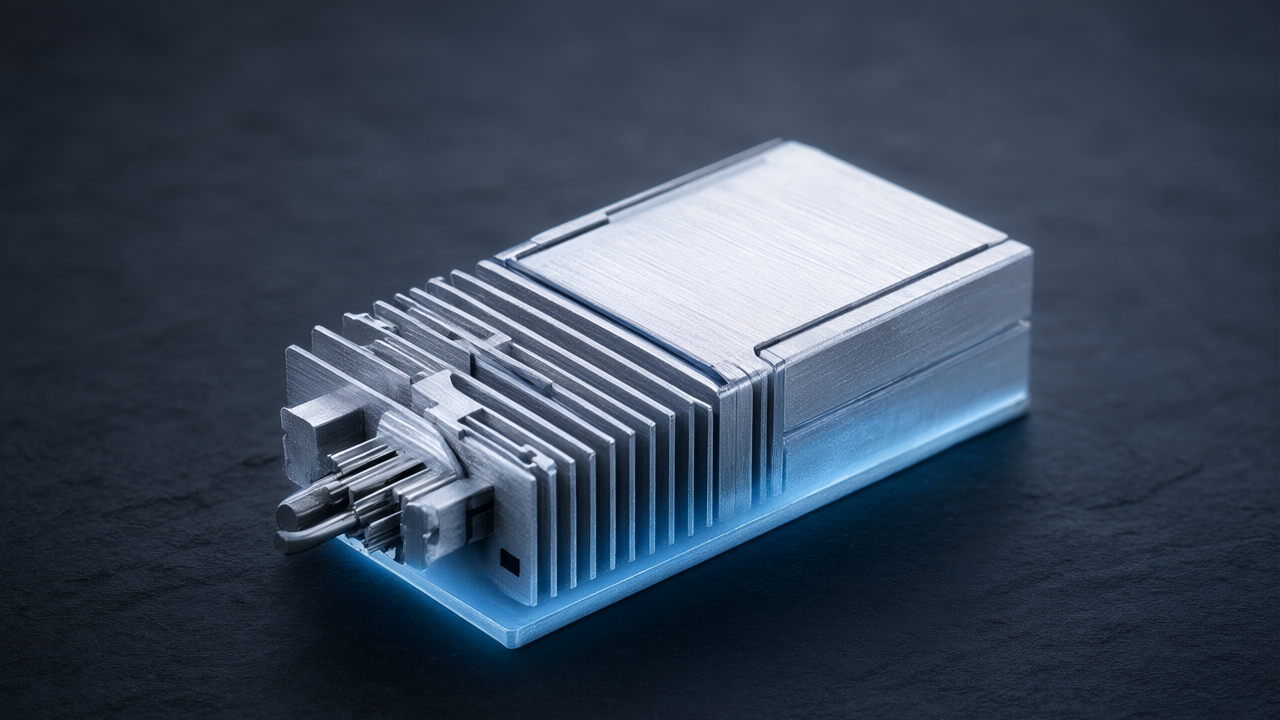
FIBERSTAMP has introduced a new HYBRID 1.6T OSFP224-HRO 2×DR4 heterogeneous silicon photonics transceiver, achieving a remarkably low maximum module power of 18W. This breakthrough is attributed to its unique HYBRID half-DSP architecture, which drastically cuts DSP processing overhead.
Technical / Clinical Details
- The HYBRID half-DSP architecture significantly reduces the power and latency typically associated with Digital Signal Processing (DSP), making it one of the most power-efficient 1.6T optical modules available.
- This reduction in power consumption provides greater thermal headroom for the transceiver, enhancing reliability in high-density AI data center environments where heat management is a critical concern.
- The 1.6T module also incorporates an open tuning feature, allowing users to flexibly optimize link performance. This adaptability extends to various transmission distances, fiber conditions, and overall system requirements.
- The utilization of heterogeneous silicon photonics technology combines the advantages of different material platforms to deliver superior performance and efficiency.
Background & Context
As AI and high-performance computing workloads proliferate in data centers, the demand for high-speed, low-power optical interconnects is escalating. Conventional 1.6T optical modules often face challenges related to high power consumption from DSPs and the resultant thermal management issues. FIBERSTAMP’s HYBRID architecture directly confronts these thermal and power hurdles, offering a compelling solution for next-generation data center designs.
Strategic Significance & Outlook
This innovative transceiver from FIBERSTAMP is poised to accelerate the adoption of 1.6T high-speed interconnects, playing a crucial role in improving the operational efficiency and sustainability of AI data centers. Its low power consumption and flexible performance optimization features will likely drive broader adoption across diverse data center environments. This technology also sets a new direction for future optical communication advancements, particularly for high-density racks where thermal constraints are severe.
Get our weekly technology intelligence — free
Receive an infographic that lets you judge at a glance whether each field’s analysis report is worth reading.
Subscribe Free — Weekly Tech Intelligence
By subscribing, you’ll receive Troy-Technical’s weekly technology intelligence newsletter.
- Your email and selected fields are used only to deliver the newsletter.
- We never share your information with third parties.
- You can unsubscribe anytime via the link in each email.
See our Privacy Policy for details.
Takes about a minute · Unsubscribe anytime