Key Findings
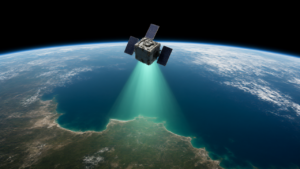
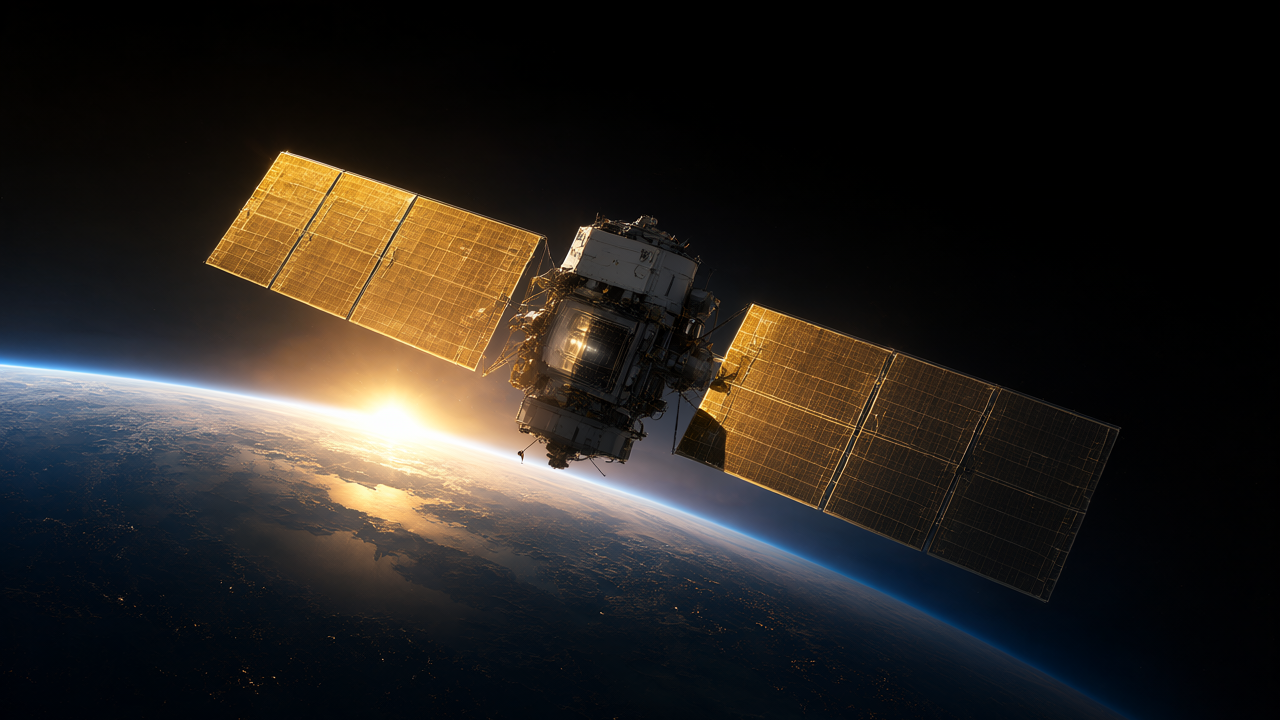
Google is testing the feasibility of an AI data center in space by launching its experimental ‘MVP (Minimum Viable Product)’ satellite aboard a SpaceX Falcon 9 rocket. This mission, part of the long-term ‘Project Suncatcher,’ aims to deploy Artificial Intelligence (AI) infrastructure into orbit. The prototype satellite features four of Google’s Tensor Processing Units (TPUs) and is powered by a 1-kilowatt solar array. While thermal management in the space environment restricts continuous TPU operation to 15-minute bursts for AI requests, the orbital server is designed to process AI tasks for a full year and remain in orbit for up to six years, representing a groundbreaking step towards the future of AI computation beyond Earth.
Technical / Clinical Details
- Orbital TPU Deployment: The MVP satellite carries four Google TPUs, specialized hardware accelerators for machine learning workloads. A primary objective of this project is to evaluate their performance and resilience in the challenging space environment, characterized by radiation and extreme thermal conditions.
- Power and Thermal Management: The satellite draws power from its 1-kilowatt solar panels. However, the unique challenges of heat dissipation in space necessitate a burst processing approach, limiting TPU operation to short, 15-minute intervals. This highlights the critical importance of advanced thermal management solutions for future large-scale orbital data centers.
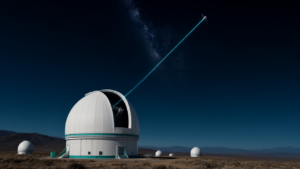
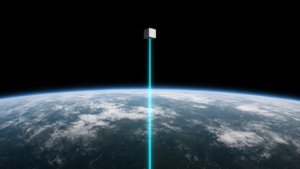
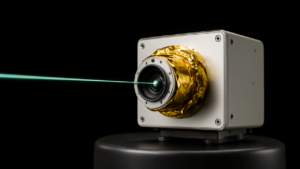
- Satellite Constellation Potential: Google envisions future iterations where multiple MVP satellites are interconnected via laser communication, forming a low-latency, high-bandwidth network capable of distributed processing of larger AI workloads in orbit. The low-Earth orbit environment offers up to eight times more solar power generation efficiency than on Earth, providing a compelling advantage for sustainable AI data centers.
- Operational Lifespan: The orbital server is designed to handle AI tasks for one year, with the satellite itself expected to maintain orbit for up to six years. This extended lifespan allows for comprehensive data collection and technological validation of in-space AI operations.
Background & Context
The escalating computational demands of advanced AI models have placed immense strain on terrestrial data centers, leading to significant challenges in power consumption and cooling costs. Google’s ‘Project Suncatcher’ presents an innovative approach to these issues by proposing the relocation of a portion of computing infrastructure to space. Low-Earth orbit, in particular, offers superior solar power generation efficiency and new possibilities for cooling in a vacuum environment. This initiative is part of a broader industry trend to decentralize and enhance the sustainability of AI infrastructure, potentially reshaping the future of computing.
Strategic Significance & Outlook
The data gathered from the MVP satellite mission will be crucial for Google’s long-term strategy to develop fully operational orbital AI data centers. Key challenges moving forward include optimizing thermal management technologies and establishing robust distributed computing capabilities across interconnected satellite constellations. Future applications could span real-time Earth observation data analysis, autonomous decision-making support for space exploration missions, and accelerating AI services for terrestrial users. By extending the frontier of AI to space, Google aims to unlock new dimensions of data processing power and innovation.
Get our weekly technology intelligence — free
Receive an infographic that lets you judge at a glance whether each field’s analysis report is worth reading.
Subscribe Free — Weekly Tech Intelligence
By subscribing, you’ll receive Troy-Technical’s weekly technology intelligence newsletter.
- Your email and selected fields are used only to deliver the newsletter.
- We never share your information with third parties.
- You can unsubscribe anytime via the link in each email.
See our Privacy Policy for details.
Takes about a minute · Unsubscribe anytime